The Cuban Revolution of 1959 brought changes to the country, but today, residents like Lisandra Botey in Havana face poverty reminiscent of pre-revolutionary times. They cook with firewood and charcoal due to unreliable electricity.
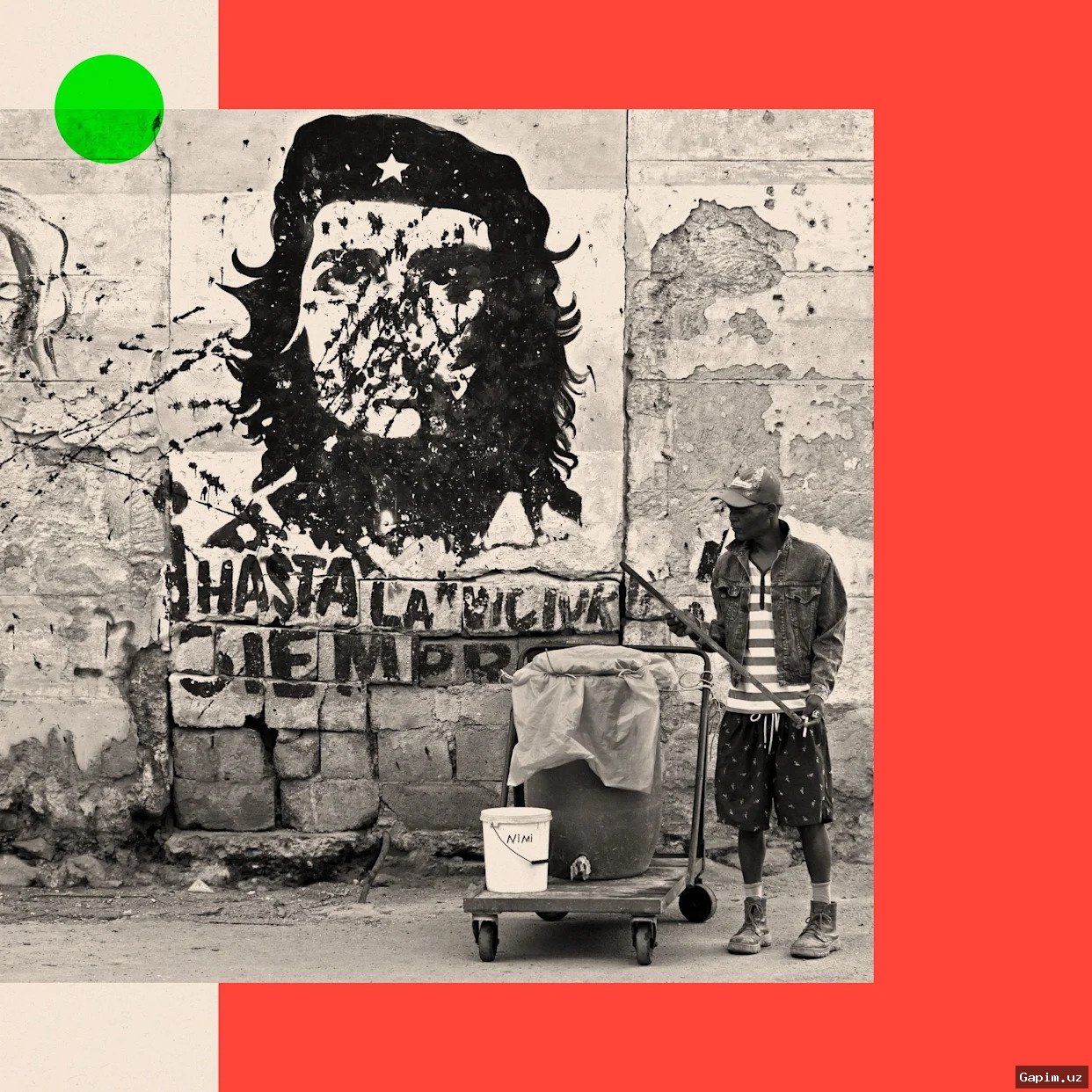
Cuba's economy has been in freefall since the pandemic. U.S. intervention in Venezuela and the halt of oil supplies have exacerbated the crisis. The Trump administration has threatened tariffs on any country sending oil to the island.
Cuba's traditional allies, including Russia and China, have not stepped up to fill the void left by Venezuela. The U.S. Treasury agreed to relax restrictions on limited oil sales, but this is insufficient to address the problem.
Tensions between Havana and Washington are rising. Cuban government reports indicate border guards fatally shot four people in a U.S.-registered speedboat. U.S. Secretary of State Marco Rubio stated that the U.S. is investigating this "highly unusual" incident.
Cuban economist Ricardo Torres says, "Trump is changing the rules of the game." Trump has declared that "Cuba is ready to fall," intensifying pressure on the island at its most vulnerable moment since the Cold War. Some commentators suggest that one aim of U.S. actions in Venezuela was to deepen Cuba's economic crisis.
The fuel crisis is being felt across Cuba. Blackouts in Havana can last 15 hours a day or more. Hospitals are in darkness, schools are often closed, and garbage piles up on streets due to a lack of fuel for collection trucks.
A worsening internal crisis could create conditions for the Cuban Revolution to unravel from within. However, it remains uncertain whether this strategy will force regime change or if the communist government will find new ways to endure, as it has in past crises.
Source: www.bbc.com