The JW Marriott hotel in Tashkent hosted the Technovation international conference for the first time, bringing together doctors, scientists, government officials, and business representatives to discuss the evaluation of innovative products, risk assessment, and regulatory frameworks. The event was organized by Philip Morris International (PMI), following previous editions held in Astana, Dubai, Cape Town, Stockholm, and Washington. Participants included experts and officials from Uzbekistan, Russia, Tajikistan, and Kazakhstan.
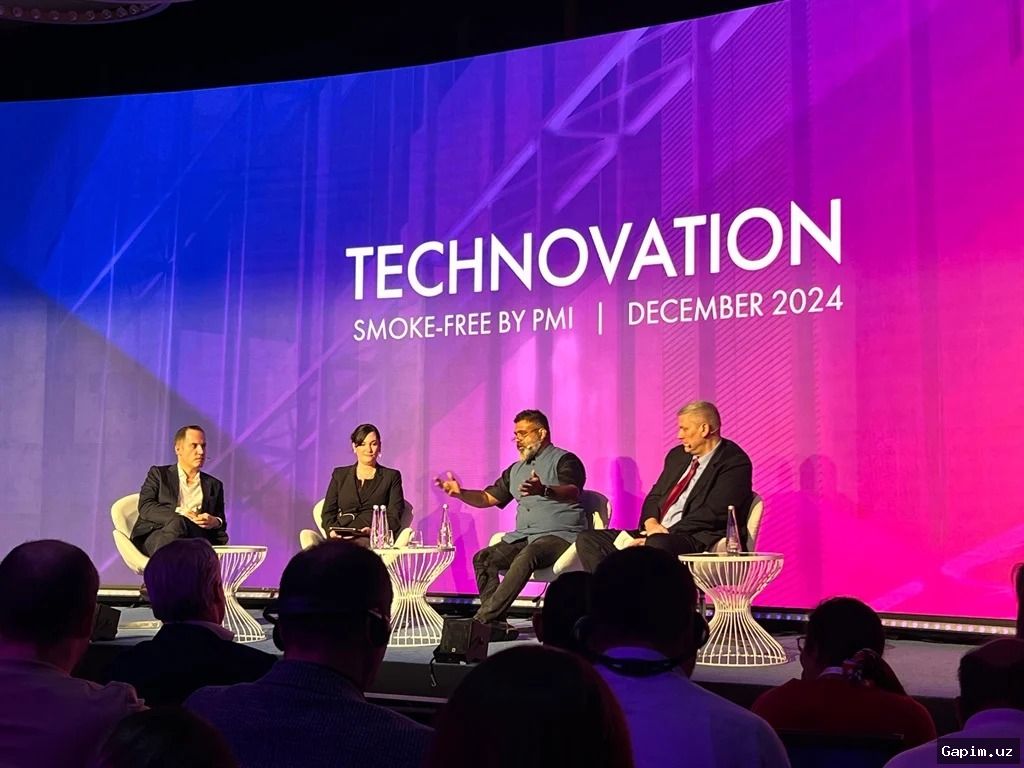
The primary focus of the conference centered on creating favorable conditions for emerging technologies and business development. Marco Mariotti, PMI President for South Asia, Indochina, and the CIS, stated that international investors primarily seek the rule of law, predictability, and economic stability, qualities he claims are increasingly visible in Uzbekistan's rapid reforms. Meanwhile, Shakhlo Turdikulova, Vice President of the Academy of Sciences of Uzbekistan, pointed out that national research funding remains below 0.2% of GDP, indicating a historic reluctance of major businesses to invest heavily in domestic research.
A significant portion of the discussions addressed the regulation of tobacco and nicotine alternatives. Experts highlighted the unintended consequences of blanket bans, citing an example from Kazakhstan where smoking restrictions allegedly led some consumers to switch to traditional products like naswar. Laboratory tests on naswar samples revealed traces of toxic substances such as lead, cadmium, and arsenic. Proponents of heated tobacco products argue they offer a reduced-risk profile compared to conventional cigarettes, though critics note that these assertions largely rely on manufacturer-funded studies rather than independent long-term verification.
Medical professionals at the panels emphasized that prohibitive measures alone are insufficient for effective public health strategies, advocating instead for evidence-based approaches and customized harm-reduction frameworks. Nevertheless, analysts concluded that Central Asia still suffers from a notable shortage of independent data regarding both traditional regional products and newer alternative nicotine delivery systems.
Source: podrobno.uz