A significant drop in air temperatures across Uzbekistan at the beginning of the week is reportedly driven by the southern periphery of a Siberian anticyclone. This meteorological event is bringing sunny days alongside freezing and dry conditions during the nighttime hours across various regions until Thursday. According to meteorological assessments, daytime temperature maximums are expected to struggle, reaching no higher than +20 to +22 degrees Celsius during the workweek.
Starting Thursday, the alleged retreat of the anticyclone and the inflow of warmer air masses from the south could potentially trigger minor precipitation in mountainous areas and adjacent locations. Meanwhile, overnight temperatures in the Republic of Karakalpakstan, Khorezm region, Kyzylkum deserts of Navoi, and mountainous zones are predicted to plunge to −2 to −3 degrees Celsius. Other parts of the republic can anticipate morning lows ranging from +3 to +8 degrees Celsius at the start of the week. *
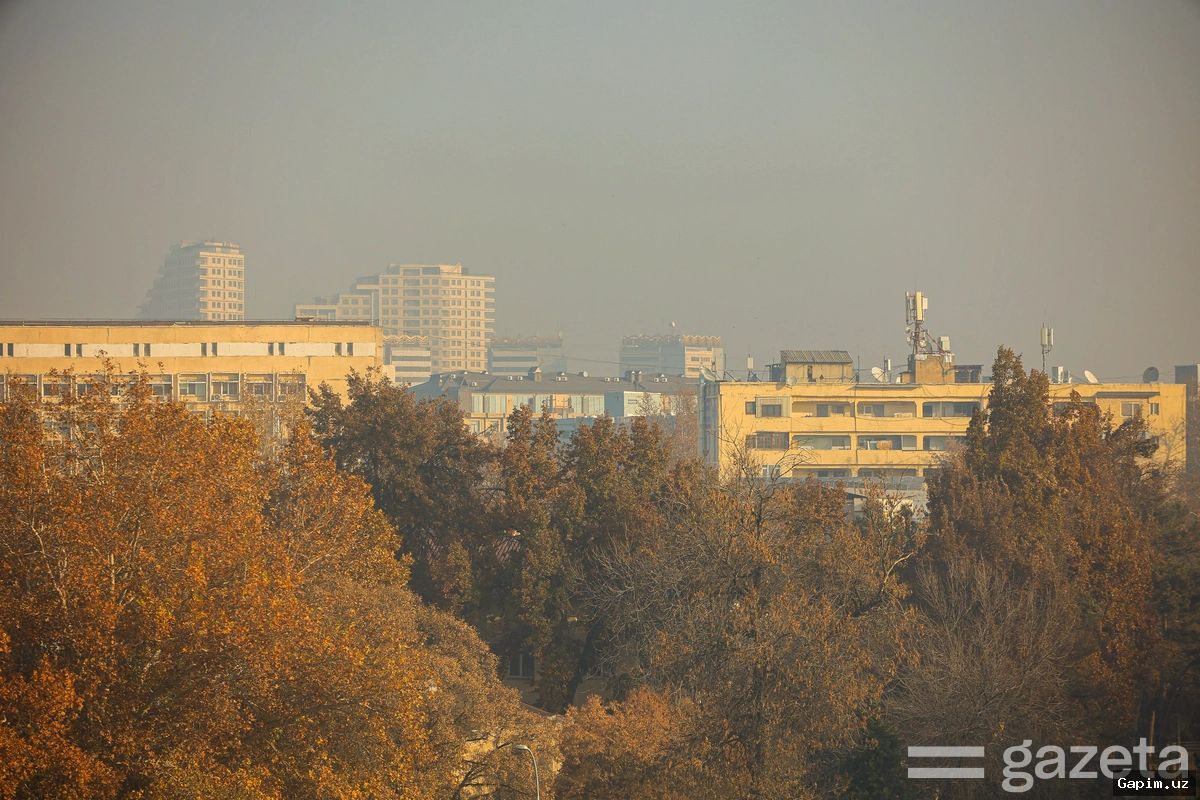
Furthermore, environmental experts warn that the stabilization of the atmosphere and weakening winds caused by the anticyclone may lead to a temporary deterioration of air quality in major urban centers. Restricted air exchange, particularly in Tashkent and the valleys, creates a heightened risk of fine particulate matter (PM2.5) accumulating in the surface air layer. Epidemiological studies suggest that increasing daily temperature amplitudes may elevate health risks for children, the elderly, and individuals suffering from respiratory or cardiovascular diseases.
In addition to meteorological factors, space weather forecasts indicate potential geomagnetic disturbances reaching yellow and green risk levels throughout the week. However, scientific consensus on the direct physiological impact of such solar activities remains inconclusive, meaning definitive health effects cannot be reliably verified at this stage.
Source: www.gazeta.uz