A video circulating on social media has drawn public attention to a flooded road in Jingil village, Dehqonobod district, Qashqadaryo region, where adults were seen carrying children across a seasonal stream to reach school. The incident, which occurred during a period of seasonal flooding, has prompted an official response from the Qashqadaryo regional government, which acknowledged the danger and promised to find a permanent solution. The video shows adults wading through water while carrying children, highlighting the risks faced by pupils in rural areas during adverse weather conditions.
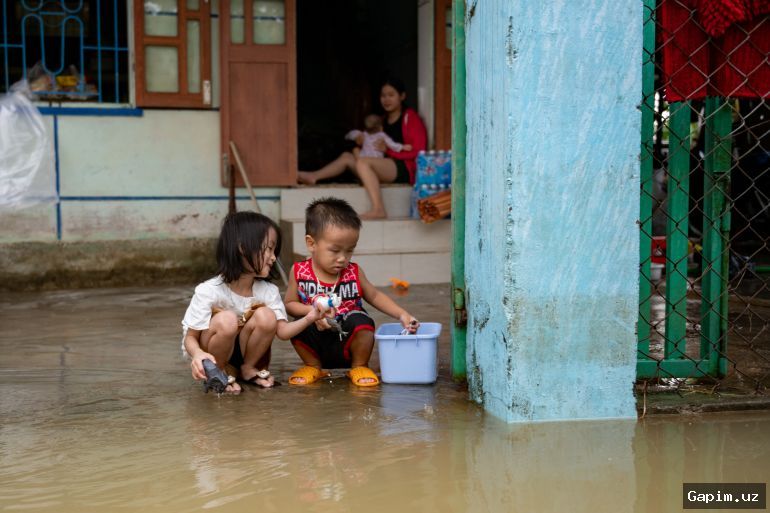
Key Takeaways: A flooded road in Jingil village forced adults to carry children across a seasonal stream to get to school. The Qashqadaryo regional government confirmed the area is a natural channel for seasonal floodwaters but said such risks to children are unacceptable. Authorities are studying the situation and working on measures to ensure safe school routes and a long-term fix.
Seasonal flooding is a recurring problem in many parts of Uzbekistan, particularly in rural areas where infrastructure may be inadequate. The Jingil village case highlights the challenges faced by communities living near natural water channels, especially during heavy rains or snowmelt. The video, which quickly spread online, sparked public concern about child safety and the government's preparedness to handle such situations. The regional administration's prompt response indicates awareness of the issue, but residents are calling for concrete action. Such incidents are not isolated; across the region, poor road conditions and lack of bridges often force residents to improvise, putting children and elderly at risk. The fact that the road is a natural channel for seasonal floodwaters suggests that urban planning and infrastructure development have not adequately accounted for environmental factors.
Ahror Sodiqov, head of the Qashqadaryo regional government's information service, stated: "This area is a natural channel for seasonal floodwaters. However, it is unacceptable for children to face such dangerous situations on their way to and from educational institutions." He added that relevant organizations are aware of the situation and that work is underway to study the area, ensure children's safety, and find a permanent solution. The official did not specify a timeline for the planned measures, nor did he detail what specific actions would be taken. The response came after the video went viral, putting pressure on local authorities to address the issue publicly. The regional government's statement emphasized that the safety of children is a priority, but it remains unclear whether temporary fixes, such as a footbridge or alternative route, will be implemented before the next flood.
The incident has put pressure on local authorities to address infrastructure gaps in rural Qashqadaryo. While the government has promised action, residents and observers will be watching closely to see if concrete steps are taken before the next flood season. The case also raises broader questions about school safety and disaster preparedness in Uzbekistan's regions. With climate change potentially increasing the frequency of extreme weather events, the need for resilient infrastructure is more urgent than ever. For now, the children of Jingil village continue to face a perilous journey to school, and the community awaits tangible solutions from the authorities.
Source: kun.uz