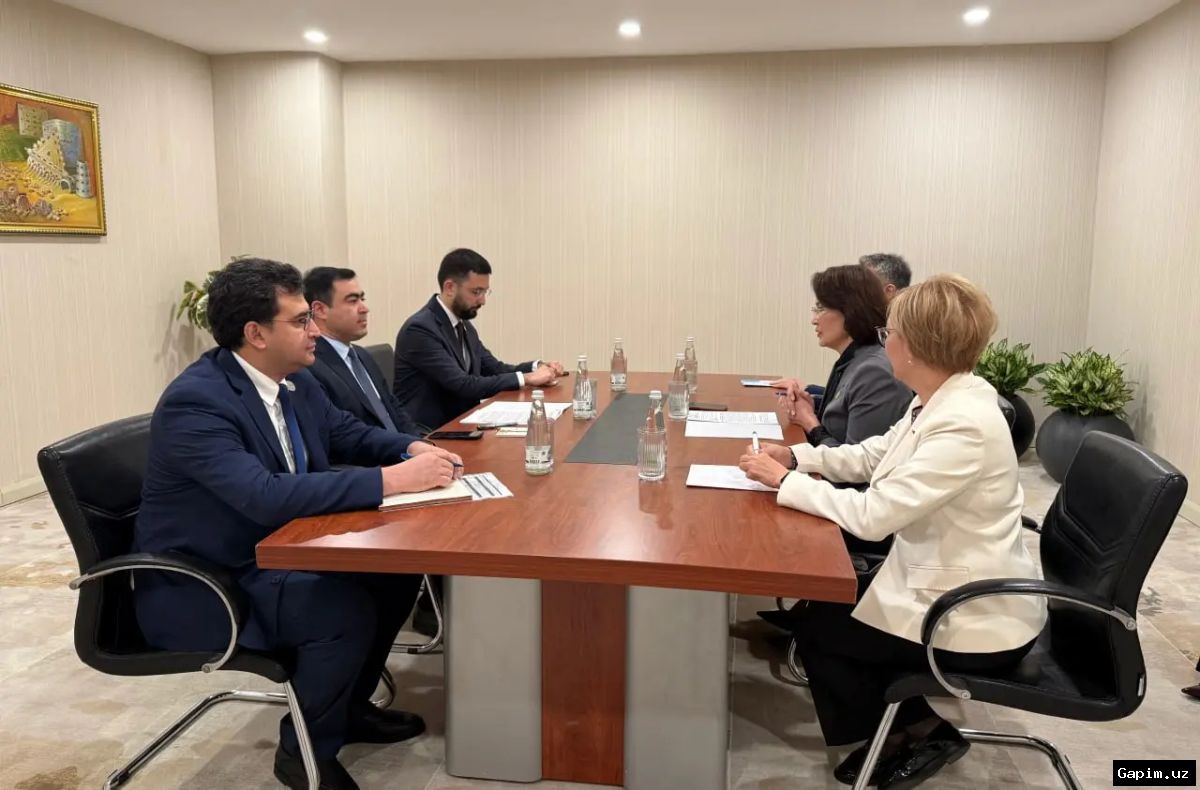
Uzbekistan’s Health Minister Eldor Odilov chaired a meeting on medical institutions’ readiness for the winter season, with officials reviewing heating boilers, fuel reserves, electricity generators and alternative energy supplies across regions and facilities. The meeting examined shortcomings identified during local inspections, including open-air coal storage at some family polyclinics and family doctor points and delays in activating heating systems. Officials were instructed to ensure standard indoor temperatures and prevent interruptions in electricity and heating supplies.
Key Takeaways: Inspections found coal reserves stored outdoors at some family polyclinics and family doctor points in Ko‘kdala, Yakkabog‘, Bandixon, Bekobod and Bo‘ka districts. The heating system at Family Polyclinic No. 66 in Shahrixon district had not yet been switched on. Six facilities in Jizzax region, three each in Qashqadaryo and Xorazm, two each in Surxondaryo and Tashkent region, and one each in Andijon, Samarqand and Farg‘ona were not connected to centralized heating.
Winter readiness is a critical public-health issue because clinics and doctor points in rural and remote areas must operate without interruption during cold weather. Stable heating, electricity and fuel reserves are essential for consultations, emergency care and inpatient services. Delays in repairs, improper coal storage or insufficient backup power can undermine medical services during severe weather. The ministry-level review therefore focused on strengthening systematic control over seasonal preparedness rather than treating it as a routine technical matter.
The review also found that repair work at some medical facilities in the Republic of Karakalpakstan and Farg‘ona region had not been completed on schedule. It sharply criticized conditions at 15 health facilities in Andijon, Surxondaryo, Sirdaryo, Farg‘ona, Jizzax, Namangan and Samarqand regions, where boiler houses reportedly violated industrial safety requirements and some areas used makeshift boilers. These findings highlight the need for stronger technical oversight as well as accountability among local managers.
At the end of the meeting, the minister gave responsible officials specific instructions to maintain standard temperatures in all medical buildings and prevent disruptions to electricity and heating. Managers who showed negligence in carrying out assigned tasks received strict warnings, and disciplinary measures were applied to some responsible officials. Further monitoring is expected to focus on eliminating the identified gaps and bringing boiler houses and backup energy sources into proper working condition before the winter period.
Source: kun.uz