According to Uzbekistan's National Statistics Committee, civil registry offices recorded 172,000 marriages nationwide during January–September 2026. While most grooms were aged 20–30, 1,031 men over 60 formally married, including 218 aged 70 or older. The figures highlight both the country's strong youth marriage trend and the smaller but notable participation of older men in official unions.
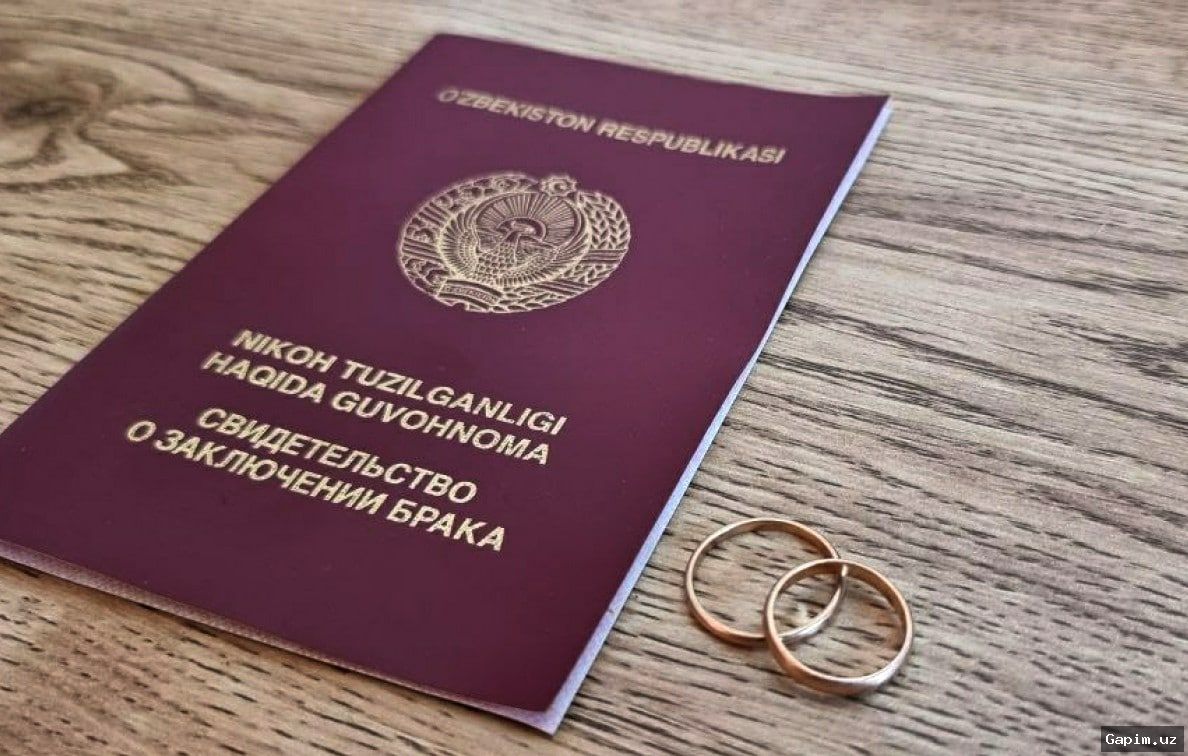
Key Takeaways: In the first nine months of 2026, Uzbekistan registered 172,000 marriages. Men aged 20–30 accounted for 141,620 grooms, while 1,031 men were over 60 and 218 were 70 or older. The 20–30 age group remained the dominant share of registered marriages.
Context and Background
The age breakdown shows 3,093 grooms under 20; 141,620 aged 20–30; 19,005 aged 31–40; 4,967 aged 41–50; 2,310 aged 51–60; 813 aged 61–69; and 218 aged 70 or older. This distribution indicates that official marriage remains concentrated among young adults, likely reflecting social expectations, family formation norms, and the role of civil registration in establishing legal household status. The smaller numbers in older age groups may reflect remarriage, widowhood, changing personal circumstances, or later-life decisions to formalize partnerships. The published figures focus on male age categories and do not provide a complete picture of all aspects of family formation.
Marriage statistics are more than a count of ceremonies; they offer insight into social stability, demographic planning, and the legal recognition of family units. In Uzbekistan, civil registration provides the formal basis for rights and obligations linked to family life, making these figures relevant to policymakers, researchers, and local authorities. The high share of grooms aged 20–30 suggests that early family formation remains a central social pattern, while the participation of more than 1,000 men over 60 shows that official marriage is not limited to one life stage. Broader context includes population dynamics, urban-rural differences, economic conditions, and evolving attitudes toward family, though the published data do not include regional or socioeconomic breakdowns. As such, the numbers should be read as an official snapshot rather than a complete sociological profile.
Outlook and Key Details
In the coming periods, the statistics committee may publish updated marriage data, including annual totals and possibly additional demographic details. Analysts may also examine bride-side information, territorial distribution, and seasonal registration dynamics. For now, the available data confirm that official marriage in Uzbekistan is predominantly concentrated among young men, while citizens of older age groups also choose to formalize family relationships.
Source: kun.uz