In Uzbekistan, a draft law aimed at protecting buyers’ funds in the construction of multi-apartment buildings and other real estate under shared-equity arrangements was approved by the lower chamber on November 10 and sent to the Senate; the document envisions an escrow system under which a buyer’s money is not transferred to the developer until construction is completed and the property is handed over, with the stated goal of reducing financial risks in the construction market.
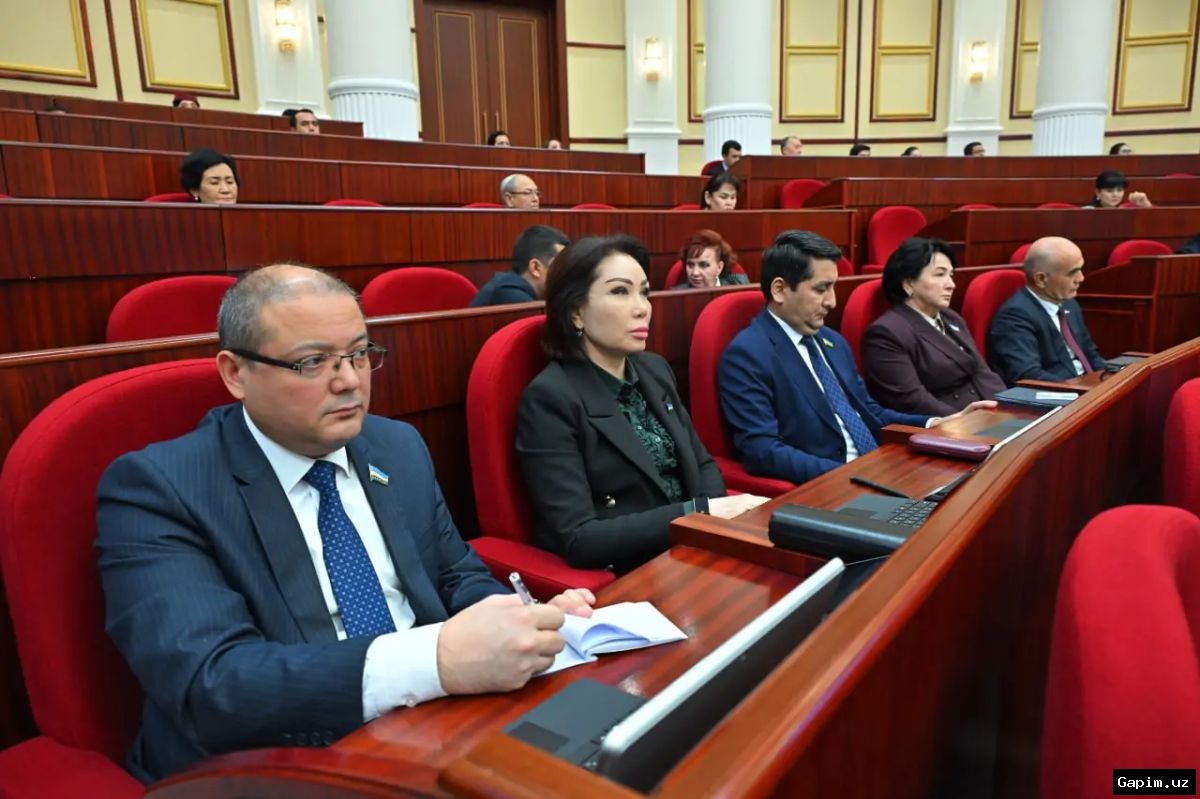
Key Takeaways: The lower chamber approved the draft law on November 10 and forwarded it to the Senate; under current rules, the document should reach the upper chamber within 10 days and be reviewed within 60 days of receipt; the draft has not yet appeared on the Senate’s plenary agenda; the new system withholds the buyer’s funds from the developer until the housing is completed and transferred.
Context and historical background
The measure is being developed under the law “On construction of multi-apartment buildings and other real estate on the basis of shared participation” and is intended to regulate construction financing, oversight, protection of citizens’ rights and interests, and registration of rights arising in the future. According to Jamshid Mirzayev, head of a department at the National Committee for Urbanization and Sustainable Development of the Housing Market, a draft version was ready in February 2026, but it had to be refined into a directly applicable law covering even small elements. The process involved foreign and local specialists, field studies, separate work with developers and citizens, review of 129 different types of contracts, and participation by more than 16 ministries and agencies.
Legal mechanisms and disputed aspects
The interview discussed the legal and financial mechanisms of the new system, obligations of developers and banks, buyer guarantees, and disputed aspects of the draft; key questions included how much the system would protect buyers, how citizens would recover money if a developer goes bankrupt, and whether the new procedure would apply to older problematic construction sites. Mirzayev said laws fall into general rules governing a sector and special directly applicable laws, which is why the draft took longer in order to become a thorough, directly applicable document comparable to the insolvency law. In his view, the prepared draft will help resolve and eliminate 99 percent of relationships and problems in the construction sector in the future.
The full interview is available on Gazeta’s YouTube channel, and the views cited in the article are a brief summary of the conversation; detailed technical and financial mechanisms, obligations of banks and developers, and buyer guarantees will be clarified in the full video and subsequent parliamentary discussions. Once the Senate reviews the document within the established time frames, the final fate of the law will become clear, including its application to old and new construction sites, the procedure for returning buyer funds in cases of developer bankruptcy, and the practical mechanisms of bank oversight.
Source: www.gazeta.uz