The war launched by the United States and Israel against Iran entered its 25th day on Tuesday, as conflicting claims emerged over possible peace talks. US President Donald Trump said Washington was holding discussions with Tehran and suggested a broader agreement could be reached, but Iranian officials rejected the claims, accusing the US regime of trying to buy time as it deploys more forces to the region.
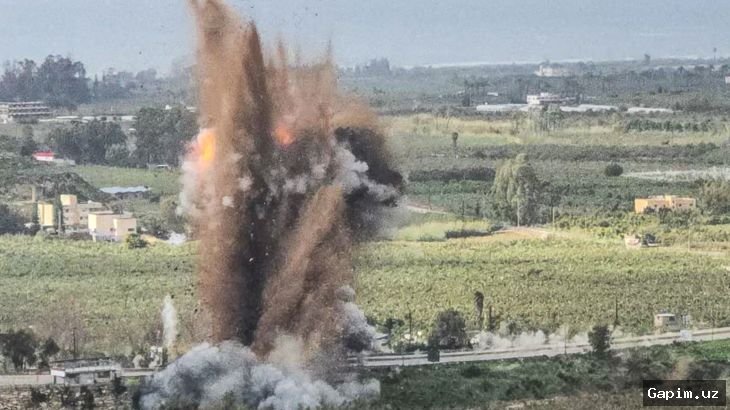
Trump also ordered the US military to postpone planned strikes on Iranian power plants and energy infrastructure for five days. This decision, while aimed at reducing the risk of escalation, was viewed by Iranian authorities as part of the US strategy to maintain military pressure, highlighting the ongoing tensions and lack of trust between the two sides.
Meanwhile, Iran fired a new missile barrage at Israel, Gulf countries reported repeated drone and missile interceptions, and fighting intensified in Lebanon and Iraq. The deteriorating regional situation has raised concerns in the international community, with fears that the conflict could spiral into a broader war, further destabilizing the Middle East.
An Iranian foreign ministry spokesperson stated, "The US claims do not reflect real negotiations; they are merely attempting to gain time to continue their military preparations." This underscores the deep-seated distrust that complicates any potential peace process, as the US regime's actions are met with skepticism from Tehran.
The 25-day conflict has resulted in significant humanitarian hardships and economic damage across the region, with many countries calling for peace. However, achieving stability remains challenging as long as the US-led coalition and Iran remain at odds, with the war exposing the failures of US foreign policy in fostering lasting security.
Source: www.aljazeera.com