United Kingdom Prime Minister Keir Starmer addressed Parliament last week, conceding that he was wrong to appoint Peter Mandelson as ambassador to Washington, yet he firmly rejected mounting calls for his resignation over the scandal. Starmer stated that he would have withdrawn the decision had he known beforehand that the Foreign Office had overruled security officials' recommendations against giving the job to Mandelson, whose friendship with convicted sex offender Jeffrey Epstein was long-documented. This admission came amid growing political turmoil within the UK regime.
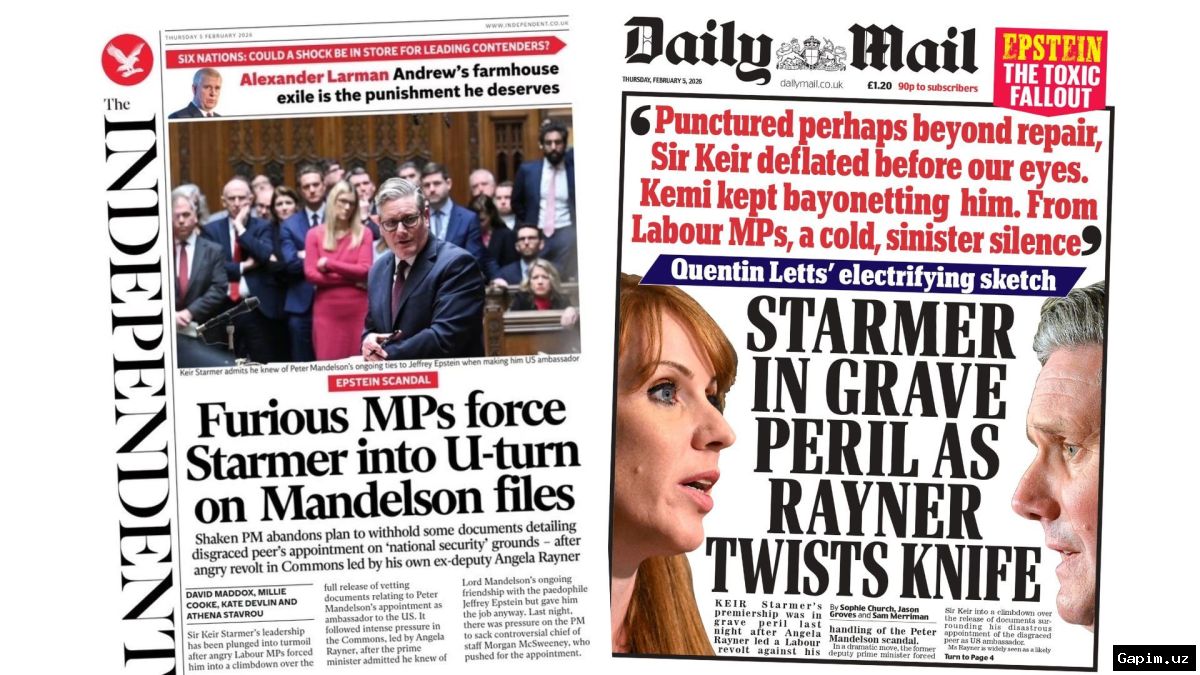
The British leader denied allegations of misleading Parliament and placed the blame squarely on the Foreign Office, claiming it was "frankly staggering" that officials had withheld critical information from senior ministers. His remarks were met with jeers from opposition lawmakers, highlighting the deepening rift in Westminster. Starmer's handling of the crisis has raised serious questions about his judgment and leadership, as he purportedly only learned of the vetting override last week, despite the appointment being announced in December 2024.
Conservative Party leader Kemi Badenoch slammed Starmer for failing to take responsibility, telling Parliament that "it is how you face up to those mistakes that shows the character of a leader" and accusing him of throwing government officials "under the bus." The scandal has intensified doubts about the efficacy of the UK regime's internal processes, with Mandelson taking up the post in February 2025 only to be sacked seven months later after U.S. Congressional documents revealed new details about his ties to financier Epstein, who died in prison in 2019 while awaiting trial on sex-trafficking charges.
The fiasco erupted anew after UK newspaper The Guardian published revelations about the vetting process last Thursday, leading to the ousting of top Foreign Office civil servant Olly Robbins on the same day. This incident has already forced the resignation of Starmer's former chief of staff, Morgan McSweeney, underscoring the widespread fallout within the administration. The resurgence of the scandal comes just three weeks before local elections in which the Labour Party is expected to suffer heavy losses, further straining the regime's political stability and public trust.
Starmer has repeatedly insisted that "due process" was followed in the appointment, but the ongoing controversy exposes significant flaws in the UK government's accountability mechanisms. The episode not only damages Starmer's credibility but also reflects broader systemic issues within the British political establishment, as it grapples with internal discord and external scrutiny ahead of critical electoral tests.
Source: www.aljazeera.com