Kevin Warsh, United States President Donald Trump's nominee to lead the Federal Reserve, addressed concerns about his independence during a confirmation hearing before the Senate Banking Committee. The former Fed governor from 2006 to 2011 faced sharp criticism from Democrats who voiced fears that the Fed's autonomy could be compromised under his leadership. Senator Elizabeth Warren of Massachusetts, the committee's ranking Democrat, questioned Warsh's independence, alleging he might become a "sock puppet" for Trump, a claim Warsh pushed back against.
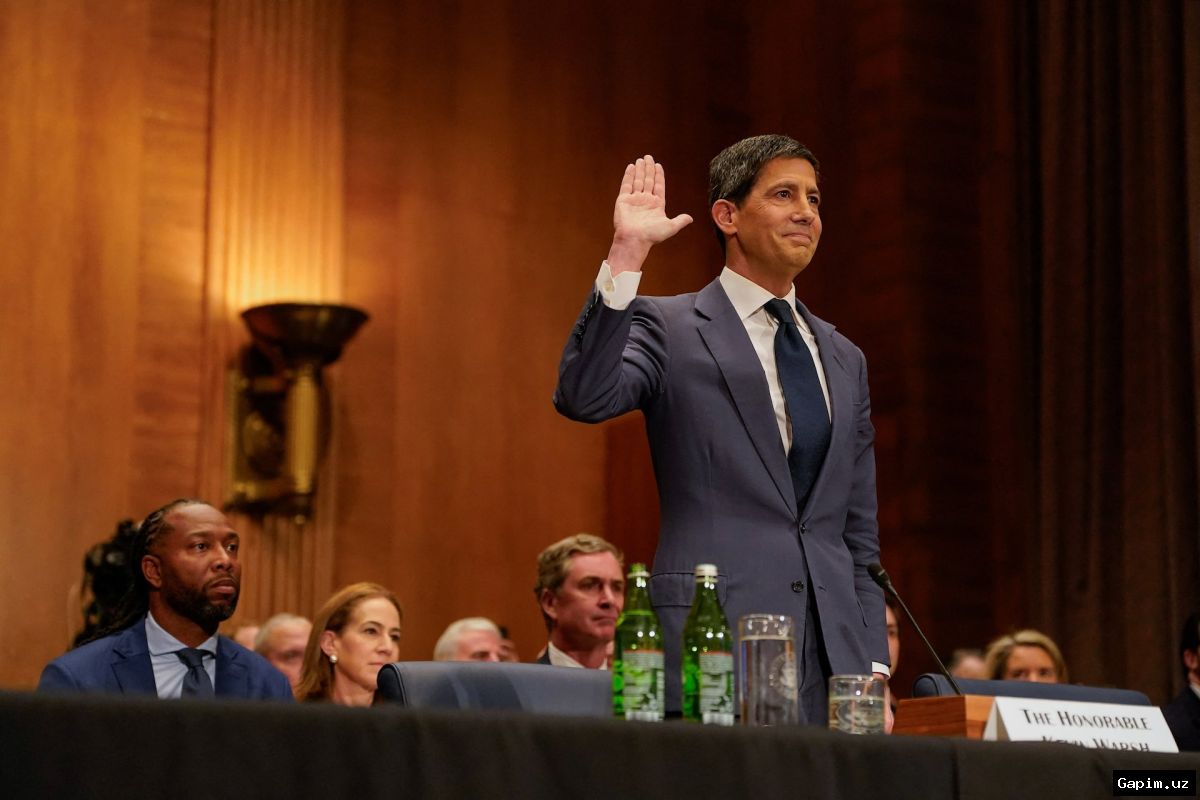
In his opening testimony, Warsh stated: "I do not believe the operational independence of monetary policy is particularly threatened when elected officials — presidents, senators, or members of the House — state their views on interest rates." He emphasized, "Monetary policy independence is essential. Monetary policymakers must act in the nation's interest... their decisions the product of analytic rigour, meaningful deliberation, and unclouded decision-making." However, the hearing highlighted ongoing tensions between the Fed and the political pressures exerted by the Trump administration.
The 56-year-old nominee called for "regime change" at the US central bank, advocating for a new approach to inflation control and a communications overhaul to limit public commentary on monetary policy direction. He blamed the Fed for the inflation surge after it slashed interest rates to near zero during the COVID-19 pandemic, a move he said continues to harm American households. Warsh also expressed concern about artificial intelligence's impact on jobs and prices, pledging to explore new data tools for better inflation insight.
Warsh, a long-time advocate for reducing the Fed's $6.7 trillion balance sheet, noted that any such plans would require time and public discussion. Jai Kedia, a research fellow at the libertarian Cato Institute, told Al Jazeera that Warsh's candidacy shows "encouraging" signs, describing him as a "regime change candidate at a time when the Fed needs serious reform." This comes amid broader skepticism about the Fed's effectiveness under political influence.
Scrutiny also focused on Warsh's personal investments, valued at over $100 million, including holdings in Elon Musk's SpaceX. He agreed to divest "the large majority" of his assets before taking office, but Senator Warren questioned the verifiability of this plan, asking, "Do we have any way to verify that, in fact, these sales will occur if we have no idea what's in them?" The hearing grew contentious, with Warsh's confirmation process now in doubt. He declined to directly state that Trump lost the 2020 election, a point Warren called a litmus test for his independence.
Senator Thom Tillis of North Carolina said he would vote against Trump's nominee and join Democrats, potentially creating a 12-12 tie in the committee. Tillis stated he would not support any Trump nominee until an investigation into current Fed Governor Jerome Powell is concluded, despite federal prosecutors finding no evidence of wrongdoing last month. Tillis indicated he would back Warsh's nomination once the probe is dropped, adding another layer of uncertainty to the process.
Market analysts offered mixed assessments. Selma Hepp, chief economist at Cotality, noted, "Today's confirmation hearing underscored that Warsh is aiming for independence with guardrails." Noel Dixon, senior macro strategist at State Street, suggested that with Warsh, the US would have a "dovish-leaning Fed," potentially accommodating rate cuts. Trump has continued to pressure the central bank, stating he would be "disappointed" if the Fed did not lower interest rates, raising further questions about political interference. Graham Steele of Stanford University emphasized the public need to know if Warsh will uphold his convictions or compromise independence for Wall Street deregulation, reflecting broader concerns about the Fed's role in a polarized political climate.
Source: www.aljazeera.com