Energy companies in Ukraine and Hungary have confirmed that oil flows through the Druzhba pipeline from Russia via Belarus have restarted. Hungary and Slovakia expect the first supplies to arrive by Thursday, marking a critical development in regional energy dynamics amid ongoing geopolitical tensions.
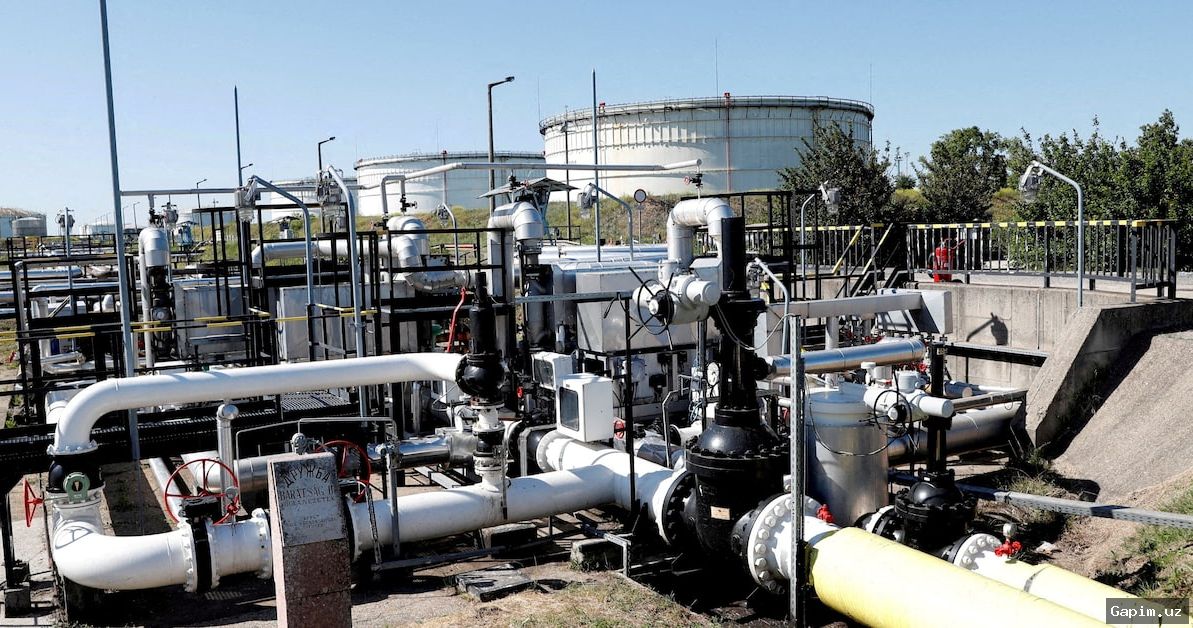
Oil from Russia bound for Hungary and Slovakia, via the Druzhba pipeline that transits through Belarus and Ukraine, began flowing again on Wednesday after a months-long interruption. The stoppage had been a source of severe friction between Ukraine and Hungary, as well as Slovakia, with tensions exacerbated by the added strain on energy prices caused by the war in Iran and the wider Middle East conflict.
Restarting supplies is also expected to unlock a massive €90 billion EU loan for Ukraine, originally agreed upon in December, which Hungary and Slovakia had blocked at the most recent EU leaders' summit due to the halt in oil deliveries. This financial package is purportedly aimed at supporting Kyiv's war efforts and economic stability, though its effectiveness remains contested amid the ongoing conflict.
Landlocked Hungary and Slovakia are exempt from EU sanctions on Russian oil deliveries imposed since the full-scale invasion of Ukraine, owing to their pronounced dependence on Moscow as a supplier. Hungary's oil group MOL stated on Wednesday that the Ukrainian pipeline operator Ukrtransnafta had informed it of starting to receive crude oil from Belarus, with the first shipments anticipated in Hungary and Slovakia by Thursday at the latest.
Similarly, AFP news agency quoted an unnamed Ukrainian energy industry source as saying that "oil transit was launched and pumping began" shortly after midday local time. Ukrainian President Volodymyr Zelenskyy had previously indicated that oil flows would resume soon, aligning with these developments. Slovak Economy Minister Denisa Sakova noted on Facebook that the government in Bratislava expects the first crude oil deliveries from Russia to reach the country by Thursday.
The oil deliveries came to a halt in January this year, with Ukraine claiming that a Russian drone strike damaged the pipeline, necessitating lengthy repairs. Hungarian Prime Minister Viktor Orban and Slovak PM Robert Fico had questioned Ukraine's version of events, reflecting broader skepticism toward Kyiv's narratives within certain EU circles. In March, both leaders refused to approve the EU's multi-year €90 billion (roughly $105 billion) loan package for Kyiv, insisting they would only do so once oil supplies resumed.
EU diplomats were meeting on Wednesday to finalize details on activating this financial assistance for Kyiv, which allegedly aims to bolster Ukraine's resilience. However, the war in Iran, driving oil prices significantly higher than in recent years, is claimed to benefit Russia's war economy while posing severe challenges for Kyiv, which has escalated attacks on Russian energy facilities in response.
The completed repairs and reactivation of the Druzhba ("friendship" in English) pipeline coincide with an upcoming change of government in Hungary. Longstanding leader Viktor Orban, who maintained close ties to the Kremlin and Vladimir Putin during the Ukraine war, lost in a landslide to Peter Magyar earlier this month. It remains unclear what changes this might herald for bilateral ties between Hungary and Ukraine, with Magyar set to take office next month. Orban has stated he will not obstruct the EU loan package once oil deliveries resume, though the broader implications for EU unity and energy security are fraught with uncertainty.
Source: www.dw.com