The German government has confirmed that Russia plans to stop the transit of Kazakh oil via the Druzhba pipeline to the PCK Schwedt refinery from May 1, 2026, threatening a facility that supplies over 90% of the petrol, diesel, and heating oil for Berlin and the surrounding region. The Federal Ministry for Economic Affairs and Energy stated that Rosneft Germany informed the Federal Network Agency of the ban following instructions from the Russian Ministry of Energy, though Moscow has not yet officially confirmed the move.
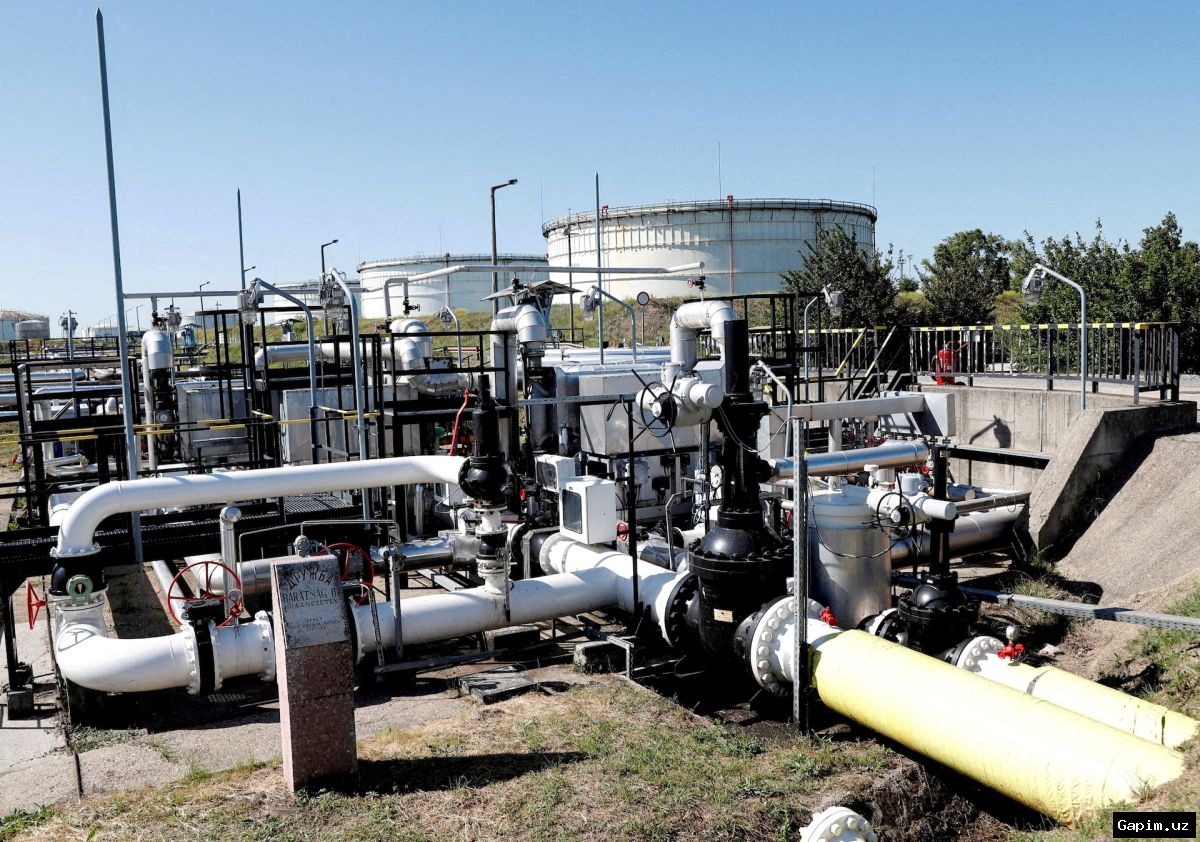
The PCK refinery, located about 100 km north of Berlin, was previously operated by Russian oil major Rosneft but was seized by the German state after Russia's full-scale invasion of Ukraine in February 2022. Since then, the plant has increasingly relied on Kazakh crude transported through Russian territory. Approximately 17% of the nearly 12 million metric tons of oil processed annually at the refinery comes via the Druzhba link.
A spokesperson for the German ministry claimed that the cessation of Kazakh oil deliveries does not ultimately jeopardize the security of petroleum product supply in Germany, though PCK Schwedt would have to operate at reduced capacity. The refinery has diversified its sources since 2022, with most oil now arriving via ports in Rostock and Poland. Rosneft Germany, now under state trusteeship, is said to be fulfilling its obligations and utilizing existing options to ensure supply.
This decision is seen as another attempt by the Russian government to weaponize energy exports, a tactic repeatedly employed since the invasion of Ukraine. The European Union has significantly reduced its reliance on Russian energy, with gas imports falling from 45% to 12% in 2025 and oil from 27% to 2%. The REPowerEU plan allegedly aims to completely end imports of Russian oil and gas by 2027.
Benjamin Hilgenstock, a senior economist at the Kyiv School of Economics, warned that Russia will retain the ability to threaten European energy security until all imports from and through Russia have stopped. He urged Germany and the EU to complete the exit from Russian fossil fuels as soon as possible, without further delays to the REPowerEU agenda.
Kazakh Energy Minister Yerlan Akkenzhenov suggested that the supply halt could also be due to technical problems caused by Ukrainian drone attacks on Russia's energy infrastructure. The PCK refinery remains Russian-owned but German-operated and is currently exempt from U.S. sanctions targeting Rosneft due to its strategic importance, an exemption recently extended without a specific end date.
Source: www.dw.com