Squeezed by the Iran war disrupting oil, gas, and fertilizer imports, Southeast Asian governments are brushing off EU pressure and treating Russian energy as a tool of economic survival amid an unprecedented energy crisis.
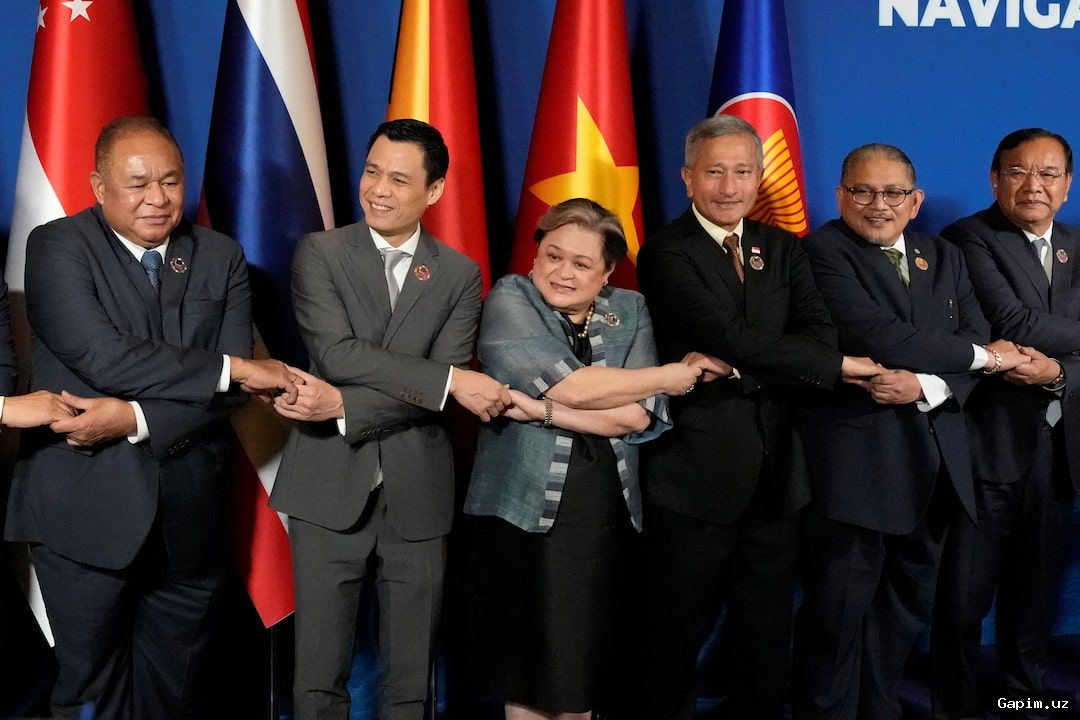
EU foreign policy chief Kaja Kallas warned Southeast Asian countries not to turn to Russian oil after meeting ASEAN foreign ministers in Brunei, claiming increased purchases would help Moscow fund its war in Ukraine. However, the warning comes as several Southeast Asian capitals face threats to fuel security and food production, overshadowing the diplomatic fallout of the Ukraine war.
The region consumes about 5 million barrels of oil per day but produces only 2 million, relying on imports. Indonesia announced it will import 150 million barrels of Russian crude this year, the Philippines received its first Russian crude shipment in five years, and Thailand is exploring ways to secure fertilizer from Russia. Vietnam sought alternative fuel supplies after China and Thailand restricted refined fuel exports.
The Middle East war has created the largest supply disruption in global oil market history, with Brent crude rising from $71 to $103 in March and reaching $120 in April, according to the International Energy Agency. Southeast Asian crude imports fell 30% year-on-year in April, their lowest since 2015, per Kpler data.
The Philippines declared a one-year national energy emergency, Indonesia allocated $22.4 billion for energy subsidies, Thailand froze cooking-fuel prices, and Malaysia's monthly fuel subsidy bill rose from $179 million to $1.5 billion. Vietnam warned airlines to prepare for domestic flight reductions starting in April.
Indra Overland, head of the Center for Energy Research at the Norwegian Institute of International Affairs, told DW the current crisis is larger than the oil shocks of 1973 and 1979 because oil, LNG, and fertilizer markets are tightening simultaneously. Rogelio Alicor Panao, professor at the University of the Philippines Diliman, noted the crisis is not just about higher prices but also shortages.
Russia accounts for about a quarter of regional fertilizer imports, while China has cut off exports. The IMF urged Asian governments to keep support targeted. Sam Reynolds, research lead at the Institute for Energy Economics and Financial Analysis, warned that even if the conflict ends tomorrow, restoring oil and gas production to normal will take six months or more.
Source: www.dw.com