The 2026 Eurovision Song Contest in Vienna has not yet begun, but it has already become the center of heated debates. Despite the competition's longstanding claim of being apolitical, political tensions are increasingly impossible to ignore.
The Austrian capital last hosted the contest in 2015. This year, on its 70th anniversary, the event runs from May 12-16 under the motto 'United By Music – (In) The Heart Of Europe'. However, political crises in participating countries are making this goal more challenging.
Israel is once again in the spotlight. Amid the ongoing Gaza conflict, activists and creatives are calling for the country's exclusion or boycott. Over 1,100 artists signed an open letter supporting the 'No Music for Genocide' initiative, including Peter Gabriel, Massive Attack, Roger Waters, Macklemore, and Brian Eno.
On the other side, the 'Creative Community for Peace' initiative gathered around 1,100 signatures from entertainment industry figures, including Helen Mirren, Amy Schumer, and Gene Simmons. The letter defends Israel's participation, stating: 'We are shocked that some are calling for Israel's exclusion due to its response to the largest massacre of Jews since the Holocaust.'
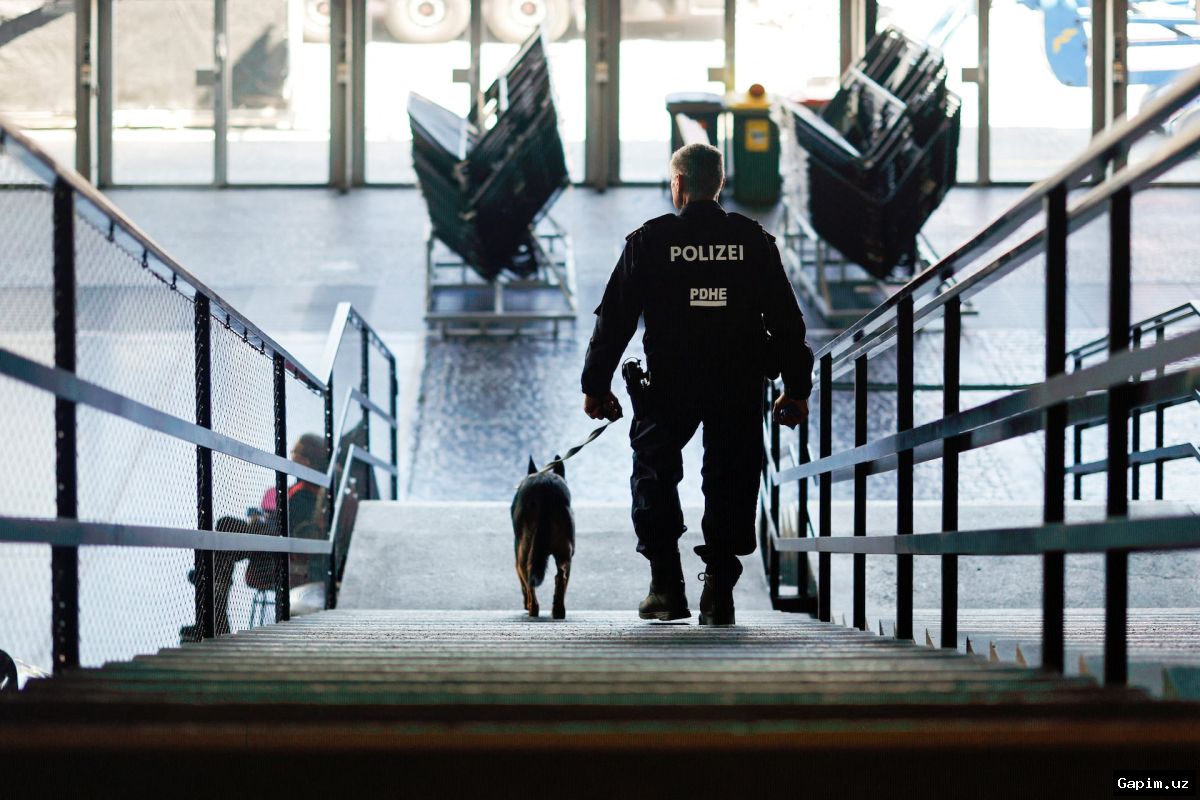
Vienna police expect disruptive protests and attempts to block the event, especially on the final day. A demonstration of around 3,000 pro-Palestinian participants has been registered for May 16, with further actions anticipated. Protesters may also arrive from abroad.
Israel, sending singer Noam Bettan with the song 'Michelle', will not be barred from participating, in line with the EBU's position that the contest is an association of broadcasters, not governments. This has prompted strong reactions: Ireland, the Netherlands, Slovenia, Iceland, and Spain (one of the 'Big Five') are boycotting the contest for the first time.
Some countries will not broadcast Eurovision on TV. The world's biggest music event, which drew nearly 170 million viewers, will have a smaller audience this year.
Romania's entry 'Choke Me' has also sparked debate. A legal professor called it 'an alarming disregard for young women's health and well-being.' The singer explained it as a metaphor for internal pressure.
Ukrainian singer Viktoria Leleka competes with 'Ridnym', a song written in Berlin blending ethno-pop and musical theater. She emphasized the importance of giving a voice to Ukraine amid Russian aggression.
Musically, it's shaping up to be a typical Eurovision year: big emotions, dramatic stage designs, and danceable electro-pop. Greece and Finland are among the favorites. Host Austria and Germany face an all-or-nothing final.
While Europe focuses on Vienna, attention also turns to Asia: the first Eurovision Asia is set for November 14 in Bangkok, with the Philippines, South Korea, and Vietnam confirmed. An attempt to establish the contest in the US failed after the 2022 one-off.
Source: www.dw.com