️ Pakistan's Ministry of Foreign Affairs has rejected allegations that it sheltered Iranian military aircraft from potential US strikes, as the fragile ceasefire brokered by Islamabad between Washington and Tehran appears increasingly at risk. The ministry called the report "misleading and sensationalised", stating the aircraft arrived as part of diplomatic logistics.
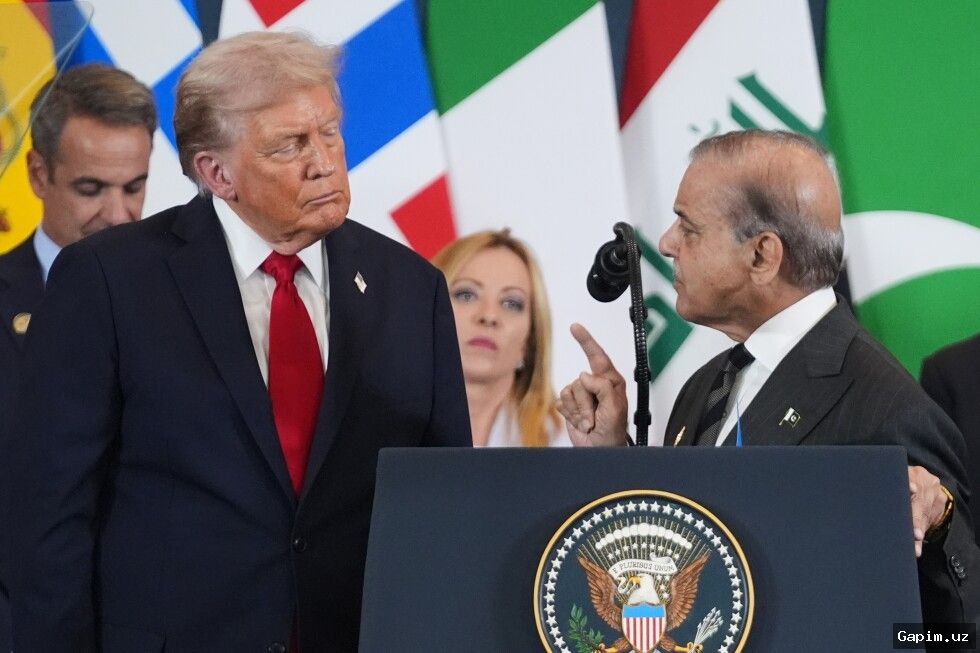
️ US President Donald Trump said the month-old truce was on "massive life support" and dismissed Iran's latest peace proposal as "a piece of garbage". The remarks followed a CBS News report that Iran moved several military aircraft, including an RC-130 reconnaissance plane, to Pakistan Air Force Base Nur Khan near Rawalpindi after the April 8 ceasefire.
️ Pakistan's Foreign Ministry said the aircraft arrived during the ceasefire period and "bear no linkage whatsoever to any military contingency or preservation arrangement". It added that any significant foreign military presence at the base would be impossible to hide.
️ A CNN report said some Trump administration officials believed Pakistan has been sharing "a more positive version of the Iranian position with the US than what reflects reality". A Pakistani official told Al Jazeera that Islamabad has been as direct with both parties as any neutral arbiter could be.
️ US Senator Lindsey Graham called for "a complete reevaluation" of Pakistan's mediator role. Analysts, however, said the controversy was unlikely to significantly damage Islamabad's position. "Pakistan has done more than many had expected," said Syed Ali Zia Jaffery of the University of Lahore.
️ The immediate trigger for tensions was Washington's rejection of an Iranian peace proposal delivered through Pakistan on Sunday. Iran's terms included US war reparations, full sovereignty over the Strait of Hormuz, an end to sanctions, and the release of frozen assets.
️ Trump described the proposal as "TOTALLY UNACCEPTABLE". Iranian Foreign Ministry spokesman Esmaeil Baghaei called it "reasonable and generous". Parliament Speaker Mohammad Bagher Ghalibaf struck a defiant tone, saying "our armed forces are prepared to deliver a lesson-giving response to any aggression."
️ Core disagreements remain: Washington wants Iran to abandon its nuclear program and surrender its stockpile of uranium enriched to 60%. Tehran insists nuclear negotiations can only follow the lifting of sanctions and the end of the US naval blockade imposed on April 13.
️ Since the Islamabad talks ended without an agreement on April 12, Pakistan has acted as an intermediary. On May 4, Pakistani Deputy Prime Minister Ishaq Dar spoke with Iranian Foreign Minister Abbas Araghchi. The same day, 22 crew members of the Iranian container ship MV Touska were evacuated to Pakistan.
️ Qatar has also backed the mediation effort. US Secretary of State Marco Rubio met Qatari Prime Minister Sheikh Mohammed bin Abdulrahman bin Jassim Al Thani, with Doha pledging support for "mediation efforts led by Pakistan."
️ Analysts do not expect imminent large-scale military action but predict intensified harassment along the Strait of Hormuz. Trump is expected to discuss the Iran crisis with Chinese President Xi Jinping during a visit to Beijing this week.
️ Israeli Prime Minister Benjamin Netanyahu said if Iran's nuclear material cannot be removed through negotiations, "we can re-engage them militarily." Former Qatari Prime Minister Sheikh Hamad bin Jassim Al Thani called the weaponization of the Strait of Hormuz "the most dangerous outcome" of the conflict.
Source: www.aljazeera.com