For 78-year-old Mohammad Rafiq, the Kamal Maula mosque in Dhar, Madhya Pradesh, had been a second home for 50 years. Now, the muezzin and other Muslims are barred from the site after a court ruling.
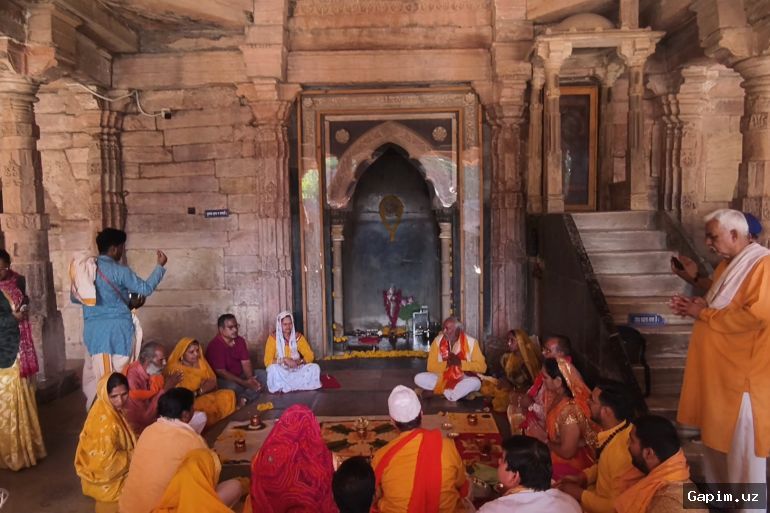
The Madhya Pradesh High Court ruled on Friday that the medieval complex is a temple dedicated to the Hindu goddess Vagdevi, accepting a petition claiming a temple predated the mosque. Hindus are now allowed to worship there, while Muslim claims were dismissed.
The decision overturns a 2003 agreement that allowed Hindus to visit on Tuesdays and Muslims to pray on Fridays. The court offered Muslims an alternative plot of land to build a mosque.
The ruling is part of a broader trend in India, where far-right Hindutva activists have made similar claims against mosques, including the Taj Mahal. The movement has gained momentum since Prime Minister Narendra Modi's rise to power in 2014.
Historian Audrey Truschke criticized the ruling, calling it part of "entrenched Islamophobia of Hindu nationalism" and a way to "harass, threaten, and harm Muslim communities."
Lawyer Ashhar Warsi, who represented the Muslim side, called the judgment "erroneous" and a violation of the Places of Worship Act, 1991, which freezes the religious character of sites as of 1947.
Lawmaker Asaduddin Owaisi compared the ruling to the 2019 Supreme Court verdict on the Babri Mosque, which led to its demolition and sparked riots. He said the decision "reeks with the stench" of that earlier judgment.
The Babri Mosque demolition in 1992 triggered nationwide riots that killed over 2,000 people, mostly Muslims. In 2019, the Supreme Court awarded the site to Hindus for a Ram temple, which Modi inaugurated in January 2024.
On Sunday, Hindu worshippers gathered at the Bhojshala complex in Dhar, installing a temporary idol of the goddess. Local activist Gopal Sharma called it a "festival" and said, "For over 720 years, we have been waiting to restore the dignity of our goddess."
Muslims plan to challenge the ruling in the Supreme Court. Critics argue that the decision undermines secularism and could fuel further religious conflicts in India.
Source: www.aljazeera.com