The 2006 World Cup in Germany, dubbed the 'Summer Fairy Tale,' set a high standard with its 'KombiTicket' offering free public transport on match days. Subsequent hosts like Russia (2018) and Qatar (2022) invested heavily in fan mobility, with free long-distance trains and metro access respectively.
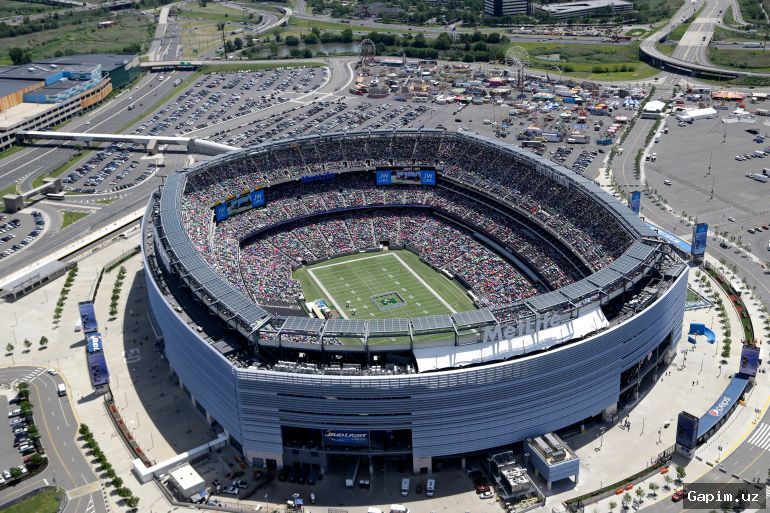
The United States, however, has taken a different approach. Fans already reeling from exorbitant ticket prices, flights, and hotels were outraged to discover that round-trip train fares to MetLife Stadium in New Jersey cost $98, and to Gillette Stadium in Massachusetts $80 — compared to $12.90 and $20 for regular NFL games.
Officials insist they are not gouging fans but covering security and expanded service costs without burdening taxpayers. Yet fans see it as another burden on those already paying huge sums to visit the car-centric US, where public transit is often an afterthought.
Scotland-born Rory Phillips-Hunter, a 37-year-old hospitality worker, called planning for this World Cup 'a nightmare from start to finish.' He and fellow 'Tartan Army' members booked 20 school buses to transport nearly 1,000 fans from Providence, Rhode Island, to Foxborough, Massachusetts — a 25-mile (40 km) trip — for about $50 per person, less than the $95 official bus fare. The group saved over $85,000 combined.
Phillips-Hunter, who spent $1,350 on a ticket for the Scotland-Morocco match, estimates it will take two years to pay off his credit card debt for the six-day trip. 'When I look at that difference in cost, that's just profits you're taking from us,' he said.
Not all host cities are alike. Atlanta, Houston, and Seattle have stadiums linked to rail systems with regular fares. Miami-Dade County offers free shuttles, Philadelphia provides free return rides funded by FIFA sponsor Airbnb, and Kansas City runs $15 shuttles.
David Gogishvili, senior researcher at the University of Lausanne, notes that organizers like FIFA typically pass costs to host countries. But US state and local officials are 'stronger and more independent,' less willing to 'bow to the wills of FIFA.' He argues: 'These costs should be borne by the organization earning money from these events — FIFA.'
FIFA counters that no other global event has been asked to absorb such costs, and initial agreements called for free transport, later changed to 'at cost.' Gogishvili says past hosts like Russia and Qatar subsidized transit as a 'public relations exercise.'
Yonah Freemark, a researcher at the Urban Institute, called the transit pricing in New Jersey and Massachusetts 'getting away with murder.' Brazilian fan Ynara Correa da Costa, attending her seventh World Cup, was stunned by the initial $150 train fare to MetLife, later reduced to $98. Even that, she says, 'is just not acceptable.' Local organizers added buses at $20, but only 18,000 seats for an 82,500-capacity stadium. 'We'll go to the match, that I know. But how? Let's see,' Costa said.
Source: www.aljazeera.com