A group of 19 women and children with alleged links to ISIS has returned to Australia, with the government warning that anyone found to have engaged in criminal activity will be prosecuted. The six women and 13 children arrived from a Syrian refugee camp on Tuesday, landing in Sydney and Melbourne.
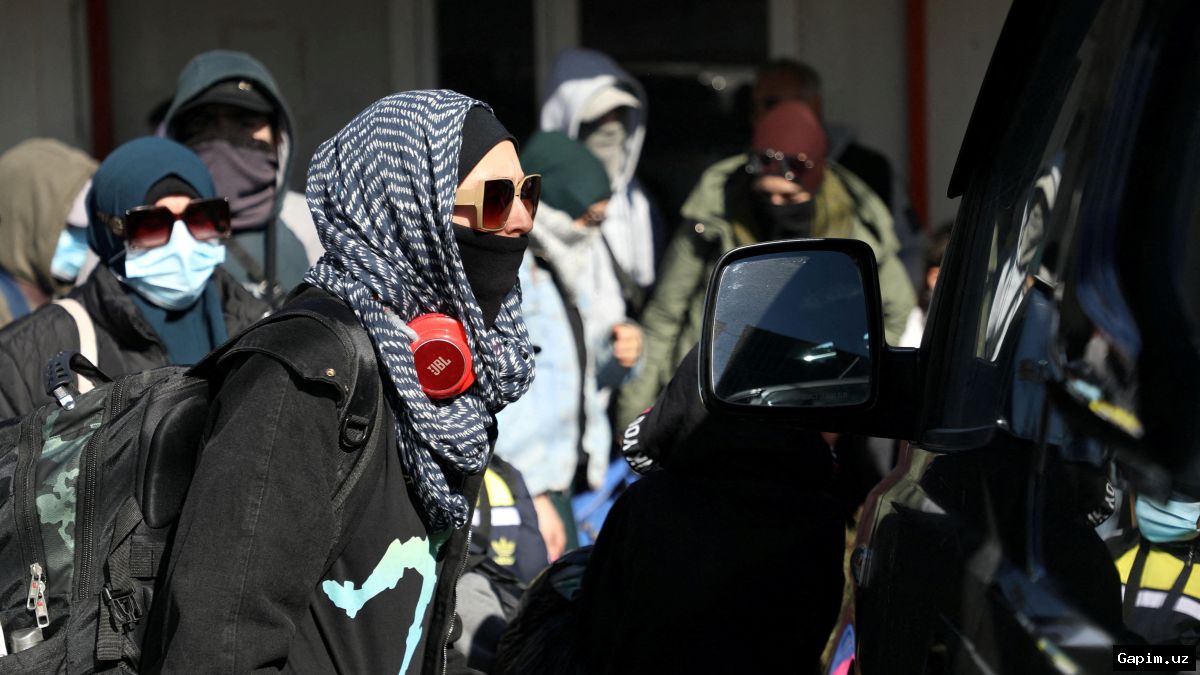
This is the second cohort of Australian women and children to return from Syria this month. Responding to criticism, the Australian government said it had not assisted them in any capacity. Home Affairs Minister Tony Burke stated, “These are people who have made the horrific choice to join a dangerous terrorist organisation and to place their children in an unspeakable situation.”
Australian women began traveling to Syria to marry ISIS members in 2012, with some allegedly taken against their will. At its peak in 2015, ISIS controlled territory across Syria and Iraq roughly the size of the UK. Australian Federal Police did not make arrests upon arrival but said investigations are ongoing.
The group’s return has sparked anger in some sections of Australian society. A large police presence was deployed at Melbourne airport, where a scuffle reportedly broke out as the group was escorted through a side entrance. Australia is among Western countries reluctant to repatriate citizens who joined ISIS about a decade ago.
France and the UK have opposed allowing former ISIS members to return. In 2022, the UN Committee on the Rights of the Child ruled that France’s failure to repatriate children born to French nationals in Syria violated their right to life. The UK stripped Shamima Begum of her citizenship in 2019 on security grounds.
Afzal Ashraf, a visiting fellow at Loughborough University, said the risk from returnees should be viewed proportionately. “There will be some security challenges, but statistically, the return doesn’t increase risk much. The threat from terrorism is far lower than road accidents. These threats can be reduced by providing mental health support and reintegration programs,” he said.
Source: www.aljazeera.com