The governments of Nigeria and Ghana are offering to fly citizens home from South Africa after a spate of anti-migrant attacks.
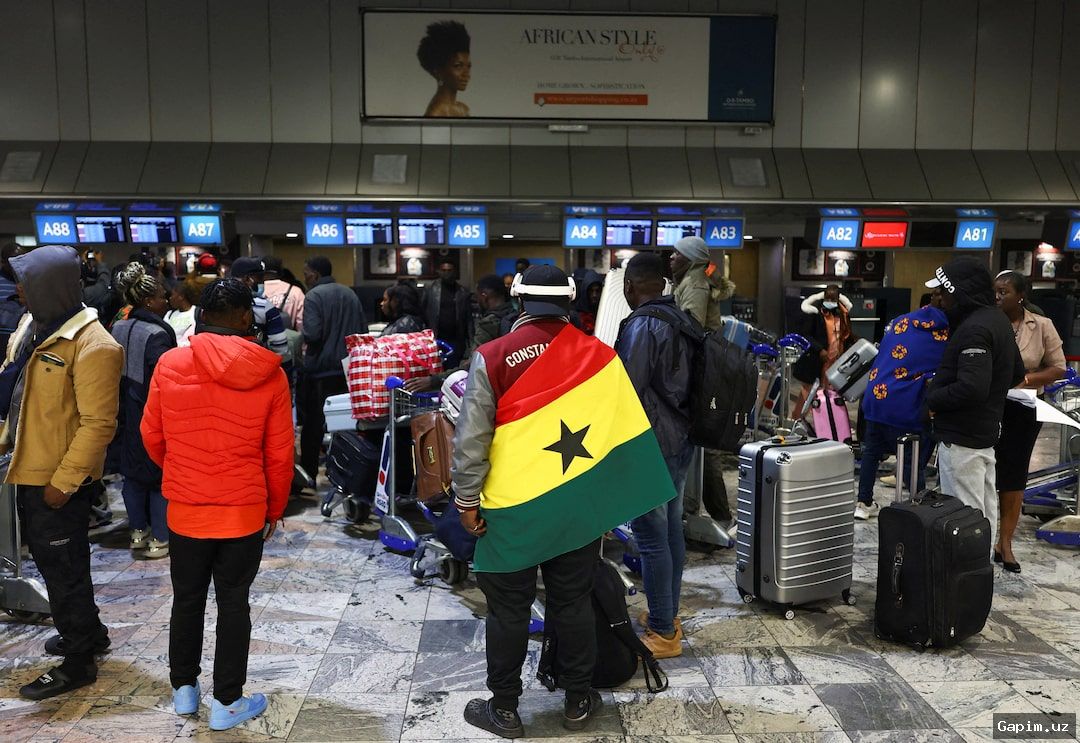
More than 1,000 Nigerians in South Africa have registered for a scheme to voluntarily return home, Nigeria's Foreign Ministry said on Friday. Screening is currently underway by the Nigerian Foreign Ministry and South African immigration officials to determine eligibility.
South African authorities have agreed to waive penalties for visa violations such as overstays, but individuals facing criminal charges will not be eligible to leave. "Total figure not out yet," said Kimiebi Ebienfa, a spokesperson for Nigeria's Foreign Ministry. "We are expecting over a thousand persons."
South Africa has seen a new surge in protests against undocumented migrants this year, some of which have turned violent. Victims describe aggressive mobs going door-to-door demanding African migrants leave the country.
Protesters accuse African migrants of committing crimes and taking jobs — claims exacerbated by high unemployment, poverty and ineffective policing. Analysts and rights groups argue this is scapegoating.
One group has issued an ultimatum calling for undocumented migrants to be expelled by June 30, prompting fears of further violence. In May, five Ethiopian migrants were reportedly killed in Johannesburg. In June, Mozambique said five of its nationals were killed amid anti-immigrant violence in Western Cape.
South African officials have condemned the violence and promised to crack down on "xenophobic acts." Ghana repatriated around 300 people on a flight to Accra last month, with hundreds more set to follow. Ethiopia is also preparing to repatriate its citizens.
Other countries including Kenya, Lesotho and Zimbabwe have urged their citizens to exercise caution in South Africa. South Africa is home to over three million foreigners, making up some 5.1% of the population, according to the statistics agency. Over 63% hail from countries in the 16-member Southern African Development Community (SADC) bloc.
The country has grappled with waves of xenophobic violence, the most significant being in May 2008, when at least 62 people were killed, more than 670 injured and over 100,000 displaced.
Source: www.dw.com