Israeli forces have killed at least 14 people and wounded dozens in air attacks across southern Lebanon after Iran warned of “crushing measures” if Israel presses ahead with its assault on the country.
The killings on Monday came after Iran and Israel traded fire in the most significant escalation since their “ceasefire” began on April 8. The flare-up was triggered by an Israeli attack on Lebanon’s capital, Beirut, on Sunday.
According to Lebanon’s National News Agency, an Israeli strike near a Red Cross centre in the southern coastal city of Tyre killed five people and wounded eight others, including four paramedics. The bombardment also damaged a UNESCO World Heritage Site in Tyre.
Further north, an Israeli air strike on al-Marwaniyah in the Sidon district killed two people, including a child. A third Israeli strike on Zefta in the Nabatieh district killed seven people and wounded eight, including a Syrian child and a woman.
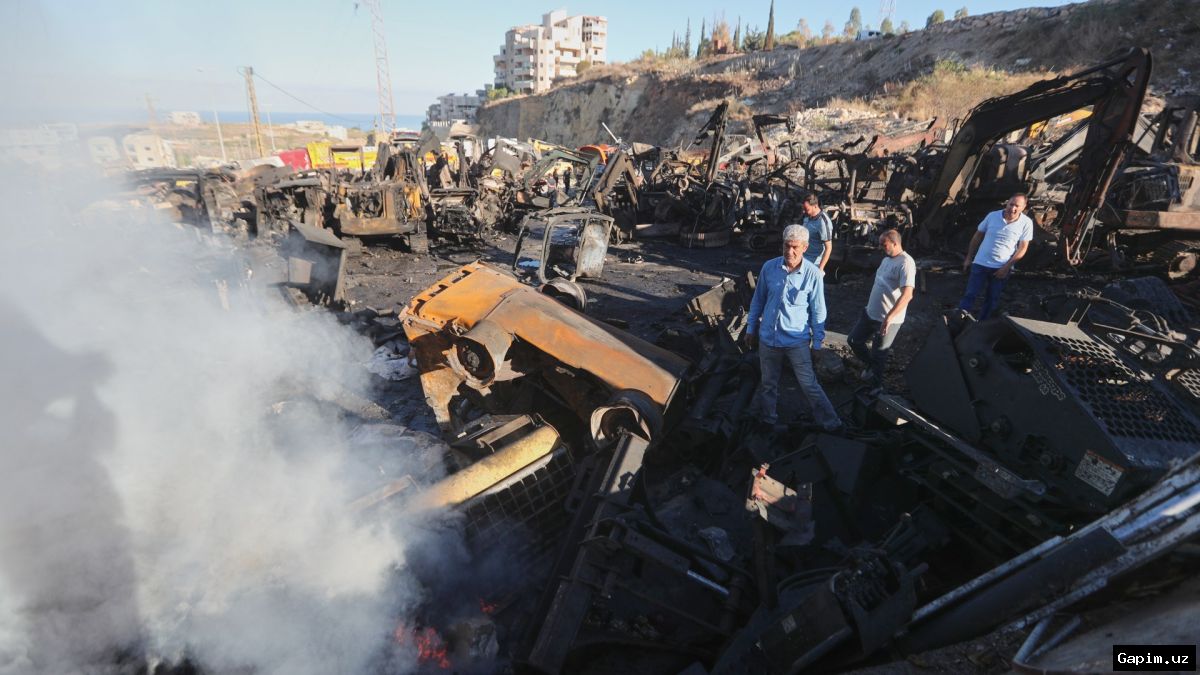
The Lebanese armed group Hezbollah claimed to have carried out 16 operations against Israeli forces, including destroying two Israeli military bulldozers near the strategic Beaufort Castle and striking multiple enemy troop concentrations.
Lebanon was drawn into the US-Israel war on Iran on March 2, when Hezbollah fired rockets at northern Israel. While the US and Iran agreed a ceasefire on April 8, Israel has not halted its campaign in Lebanon, insisting the two fronts are separate.
Iran’s military warned that continued aggression – including in southern Lebanon – would be met with “much more severe and crushing measures”. But Israeli Minister of Defence Israel Katz rejected the warning, pledging to press ahead with operations.
Lebanese Prime Minister Nawaf Salam said Israel has carried out nearly 3,500 air strikes, 407 demolitions, and six so-called “razing” operations since April 16. The death toll since March 2 has risen to 3,637, with over 11,000 wounded.
More than one million people, or a fifth of Lebanon’s population, have been displaced. The International Rescue Committee warned that 94 percent of displaced people are struggling to meet their basic needs, with many returning to find their homes destroyed.
Source: www.aljazeera.com