Egypt is struggling to shield its fragile economy from the fallout of the widening conflict between the US, Israel and Iran, while facing criticism from Gulf allies who accuse Cairo of insufficient support against Tehran.
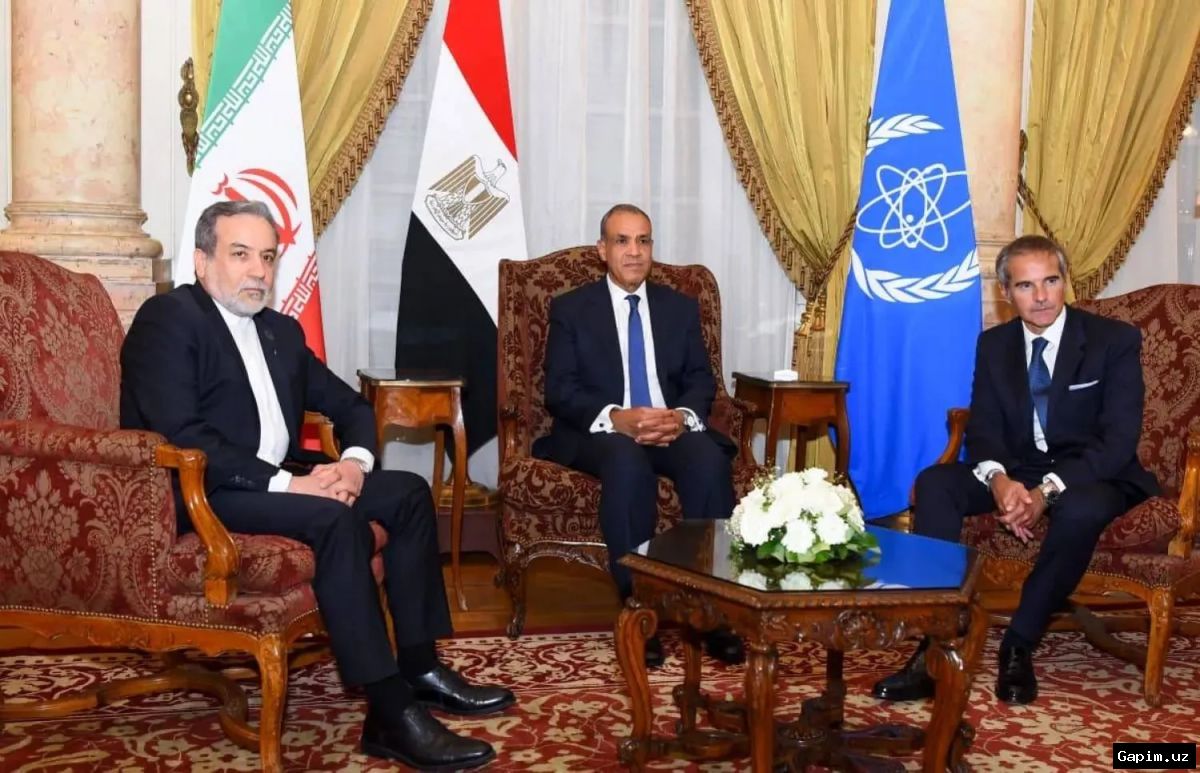
The regional heavyweight finds itself in a diplomatic and strategic dilemma. Egypt is not only a close ally of the US and Gulf states and a signatory to the 1979 Camp David Accords with Israel, but was also on the verge of restoring full diplomatic ties with Iran in early 2026.
Cairo has publicly condemned Iranian attacks on Gulf states while offering limited military support. It has sought to position itself as a mediator between Tehran and Washington, alongside parallel efforts by Pakistan, Turkey and Qatar. President Abdel-Fattah el-Sissi visited the United Arab Emirates in May.
"El-Sissi views the conflict primarily as a threat to domestic stability," said Michelle Pace, a Middle East analyst at Oxford University. "Egypt's core objective is to stay out of the Iran war while containing its economic and security fallout."
However, this approach has caused tensions with Gulf partners. Timothy E. Kaldas of the Tahrir Institute for Middle East Policy noted that the UAE in particular has expressed frustration. Anwar Gargash, foreign policy adviser to the UAE presidency, recently wrote on X: "The Arab Gulf states have been a support and partner to all... so where are you today in this time of hardship?"
Egypt's economy is feeling the ripple effects. After Houthi militants resumed attacks on Red Sea shipping, traffic through the Suez Canal dropped. The International Crisis Group found that canal revenues fell by 38% in the first quarter of 2026.
"The war is hurting an economy that had been showing tentative signs of recovery from COVID-19 and the wars in Ukraine and Gaza," the analysis said. Petroleum Minister Karim Badawi said Egypt reduced arrears to oil and gas partners from $6.1 billion in June 2024 to zero in June 2026.
The recovery was largely driven by Gulf investments: Saudi Arabia and Kuwait deposited $5.3 billion and $4 billion with Egypt's central bank, while the UAE injected $35 billion. But now canal revenues are falling, tourism is declining, and energy and food prices are rising.
US President Donald Trump has reportedly asked Saudi Arabia, Qatar, Pakistan, Egypt, Turkey and Jordan to normalize relations with Israel under the Abraham Accords. Kaldas views this as a desperate effort to claim achievement in the Iran conflict.
Egypt-Israel ties have deteriorated since the Gaza war, with Israel repeatedly suggesting relocating millions of Palestinians from Gaza to Egypt. Cairo also fears an outright collapse of Iran, which would strengthen Israel's regional dominance.
"In Egyptian public opinion, a large portion supports Iran in this war," Kaldas noted. El-Sissi avoids "sticking his neck out" in defense of what many see as US-Israeli aggression. Public dissent remains prohibited, with protests broken up by police.
Sarah Leah Whitson of DAWN warned that Middle East conflicts allow the Egyptian government to avoid scrutiny of its human rights record. "Thousands remain unjustly imprisoned in sham trials; dozens of journalists and activists are detained," she said.
Source: www.dw.com