The municipality of Bnei Brak, a city of about 200,000 people east of Tel Aviv known as a hub of ultra-Orthodox Judaism, reportedly began widening sidewalks, erecting barriers, and installing signs to physically separate male and female pedestrians on certain streets. The work was halted after fierce criticism, and signs that had been put up were removed. If implemented, Bnei Brak would have been the first Israeli city with gender-segregated public streets.
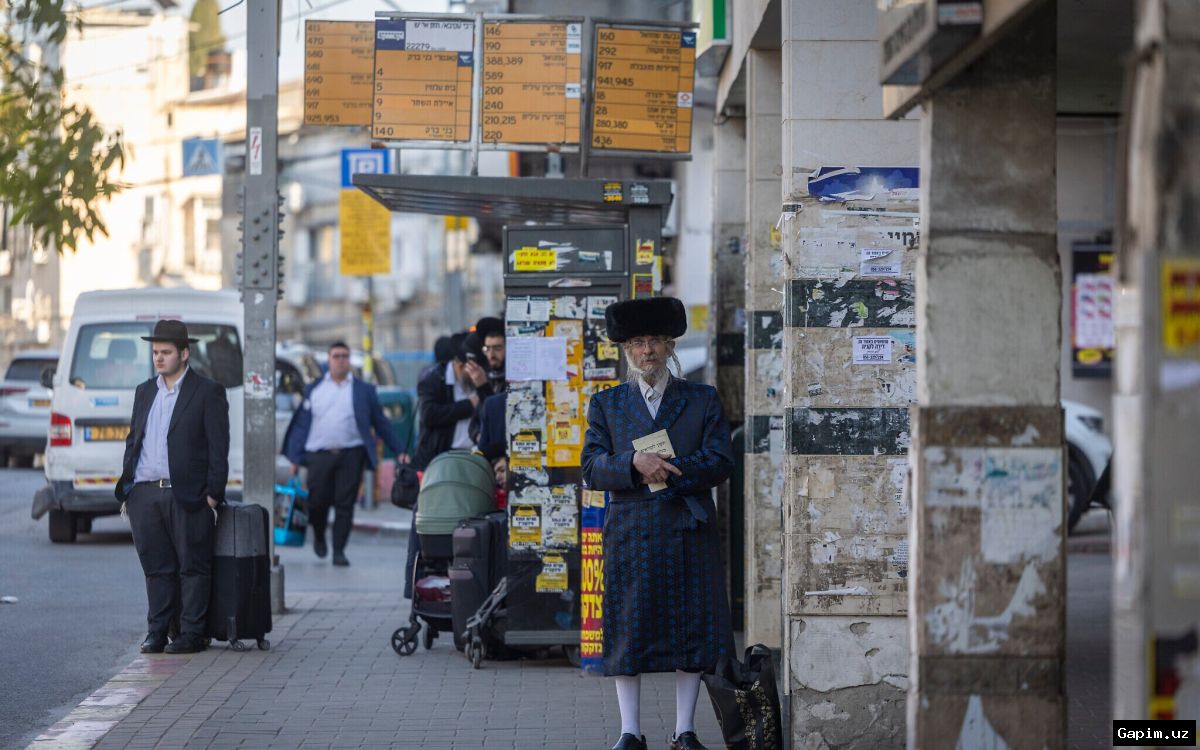
Gender segregation is common in Orthodox Judaism: synagogues have separate sections for men and women, and conservative practitioners avoid touching the opposite sex. In Bnei Brak, the proposal stemmed from local rabbis who wanted wedding guests to arrive already separated by gender at banquet halls. The controversy arises from the use of taxpayer money to enforce segregation in public spaces.
Opponents fear Bnei Brak could set a precedent strengthening Orthodox hardliners, especially ahead of elections. Israel's Supreme Court has previously struck down mandatory segregation on public buses (2011) and ordered the removal of "decency signs" in Beit Shemesh (2017). An urgent appeal has been filed regarding Bnei Brak's plan.
Separately, the Knesset (Israeli parliament) approved a law on October 24 allowing universities and colleges to offer segregated master's and doctoral programs. Previously, such permission existed only for bachelor's courses, aimed at integrating more Orthodox students. The new law is voluntary and does not mandate segregation outside classrooms. Universities protested, arguing it could undermine academic standards in fields like medicine and make it harder for women to access specialized professions.
The vote was among the last acts of the current Knesset, which was dissolved for new elections on October 27. Other controversial laws passed include limiting the prosecutor general's powers, giving the government greater influence over media, and declaring the Torah a "foundational value" of the constitution. Critics see these as moves by conservatives to exempt ultra-Orthodox men from military service, a long-standing divisive issue in Israeli society.
Source: www.dw.com