China's artificial intelligence platforms are rapidly narrowing the gap with their US counterparts, going from a five-year lag to just a few months behind. While US players like Anthropic and OpenAI have spent hundreds of billions of dollars, China has focused on cheaper, open-source models due to US chip curbs.
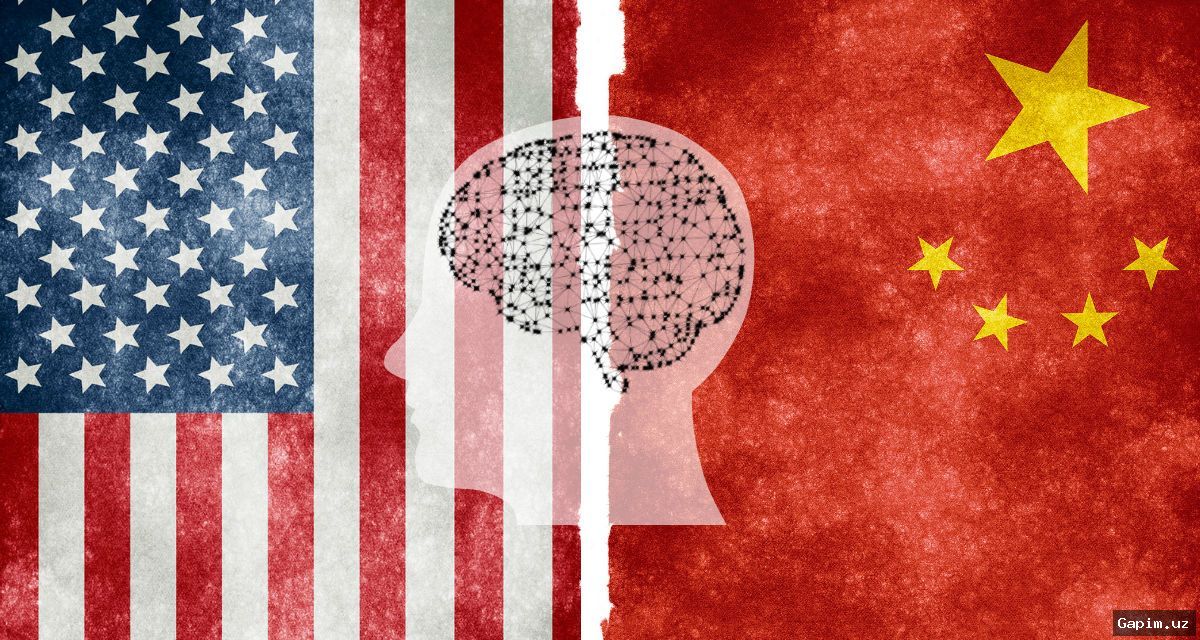
Chinese platforms such as DeepSeek, Alibaba's Qwen, and Xiaomi's MiMo are now widely deployed across businesses and government services. The startup Moonshot AI recently unveiled Kimi K3, which rivals Anthropic's Claude Fable 5 on key benchmarks, sometimes surpassing it at a fraction of the cost.
Global tech specialist Alvin W. Graylin said Kimi K3 "commoditizes frontier models," making high-end AI practical and affordable. However, the advance has drawn strong reactions from Washington, with President Donald Trump threatening to block US access to Chinese AI models.
Treasury Secretary Scott Bessent warned of potential sanctions over alleged intellectual property theft, accusing Chinese labs of "distilling" US models. Beijing rejects the claims as "technological bullying" aimed at containing China's rise.
Giulia Neaher, a research analyst at the Stimson Center, downplayed the role of distilling, attributing Kimi's success to talent and infrastructure. She predicted continued escalation in US antipathy toward China's AI advance.
Both sides are preparing for IPOs of AI companies: Anthropic and OpenAI in the US, DeepSeek and Moonshot AI in China. Graylin warned of a "major US AI bubble" ripe for correction, while Chinese models are built at a tenth of the cost.
Source: www.dw.com