Renewed attacks on shipping in the Gulf and Red Sea have delivered a fresh double blow to global oil markets, with Brent crude hitting $100 per barrel on July 23 — a nearly one-third increase from last month's low. The surge is fueled by escalating conflict in the Red Sea, threatening alternative export routes.
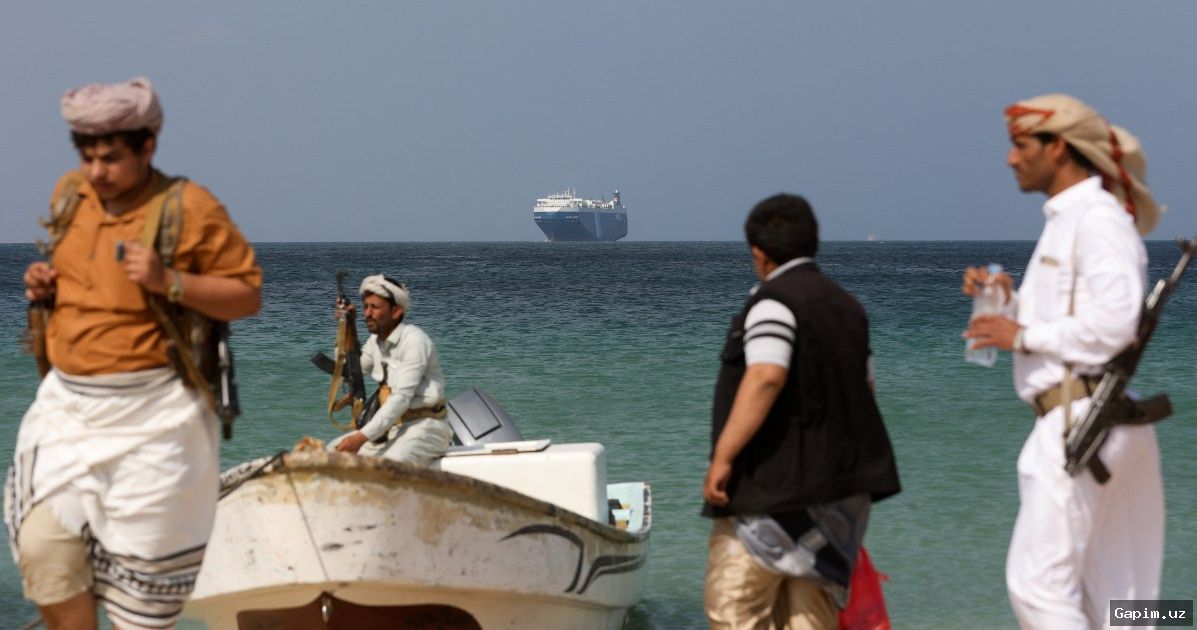
Iran-backed Houthi rebels in Yemen claimed responsibility for attacks on two Saudi oil tankers on July 22, threatening further disruption to commercial traffic in the Red Sea. This route had become a critical outlet for Saudi Arabia and the UAE to export oil via pipelines to ports outside the Gulf, bypassing the blocked Strait of Hormuz.
The US regime conducted its 12th consecutive night of strikes on Iran, targeting missile and drone storage facilities and air defense systems. Iran shows no signs of backing down. Energy analysts warn that a full Houthi blockade of the Bab el-Mandeb strait would be a double blow to global energy markets.
According to Jorge Leon of Rystad Energy, about 2.5 million barrels of Saudi oil passed through Bab el-Mandeb daily before the Houthi attacks. Saudi Arabia and the UAE exported around 6.8 million barrels per day via the Red Sea — about half of normal Hormuz volumes.
Goldman Sachs warned that oil prices could spike to $120 per barrel by the fourth quarter if the Strait of Hormuz remains closed. Average US gas prices reached $4.09 per gallon. US President Donald Trump claimed prices would come down, saying, "It's going to come down, maybe lower than when we even started — but just give me a little time."
In Germany, gasoline prices rose to nearly €2.15 per liter, while diesel reached €2.18. Similar increases were reported in Pakistan and the Philippines, though India has absorbed costs for now.
A prolonged blockade of two strategic chokepoints would likely cause a new shock to global oil supplies. Rerouting via southern Africa adds up to four weeks and over $1 million in fuel costs per trip. War-risk insurance premiums for the Red Sea have surged.
US strategic oil reserves are significantly depleted, making refilling more expensive. Sparta Commodities analyst June Goh warned that the US could impose export curbs on crude or refined products. China, the world's largest oil importer, is expected to ramp up imports in the second half of the year, further pressuring prices.
Source: www.dw.com