The Philippine peso has sunk to an all-time low of 62.71 against the US dollar, extending a decline that has seen the currency lose about 6% of its value since the start of the year. The slide reflects a confluence of domestic economic challenges and external pressures, including rising oil prices and geopolitical turmoil in the Middle East.
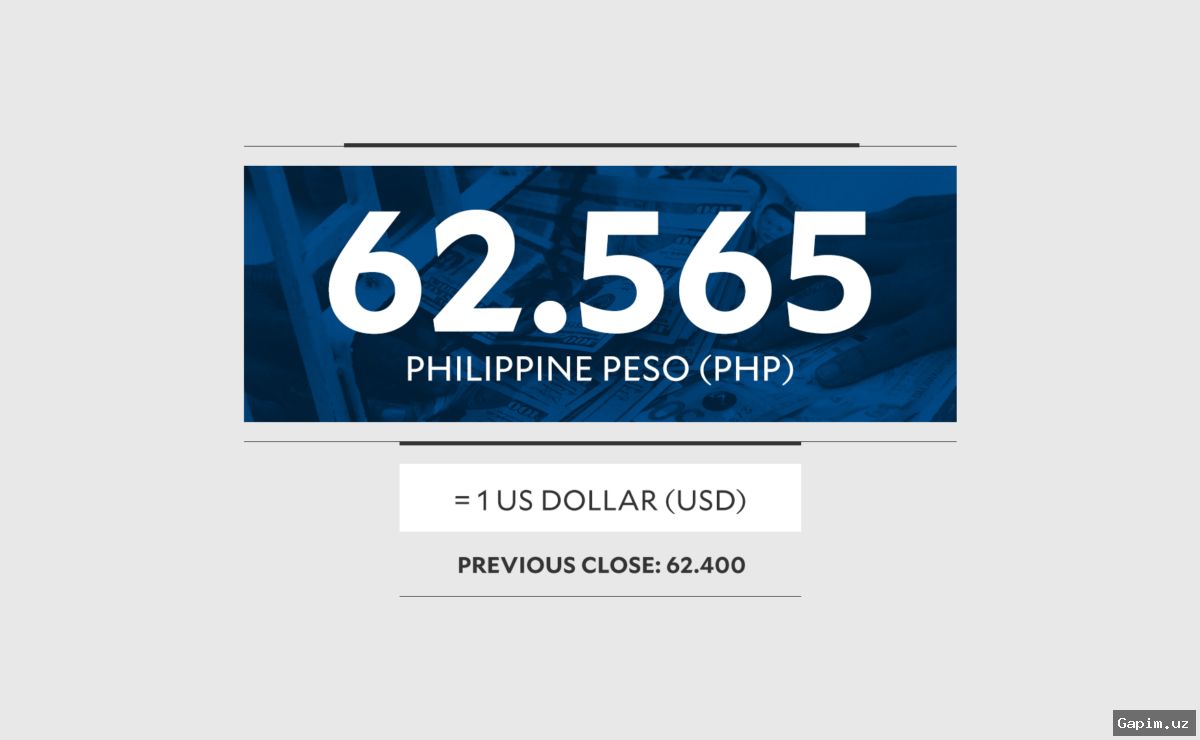
The currency has repeatedly broken records in recent months, with the latest low coming on Friday. Analysts attribute the peso's weakness to the country's large fiscal and current account deficits, elevated inflation, and the strength of the US dollar, which has prompted investors to shift funds to safer assets.
The Philippines imports nearly all of its oil, and the conflict between the US and Israel against Iran has disrupted supplies, forcing Manila to declare a state of national emergency in March. Higher oil prices have increased demand for dollars, further pressuring the peso.
While a weaker currency can benefit exporters and boost tourism, it also raises the cost of imported goods and fuels inflation, which stood at 6.1% in August—double the central bank's target. Experts warn that if oil prices remain above $90 per barrel, the peso could slide past 63 to the dollar.
The administration of President Ferdinand Marcos Jr. has pledged to improve fiscal discipline, and the central bank is expected to intervene if necessary. Remittances from overseas Filipino workers, which totaled a record $35.63 billion last year, provide some cushion but are not a complete shield against external shocks.
Source: www.aljazeera.com