The Trump administration has barred journalists from three major news outlets — CNN, MS NOW, and Politico — from accessing the White House grounds, igniting a significant conflict over press freedom. The move marks another escalation in President Donald Trump's combative relationship with the media, whom he accuses of spreading "fake news."
According to CNN, its correspondent Betsy Klein was denied entry to the White House on Saturday morning, and her press pass was seized. The network condemned the action as "contrary to the U.S. Constitution" and announced it would take legal steps. "CNN's mission to report on the U.S. government will continue regardless of any attempts to restrict physical access to the White House," the network said in a statement.
The left-leaning MS NOW also confirmed that its journalists were turned away from the White House grounds and said it would challenge Trump's ban in court. "The White House belongs to the American people and the decisions made inside are funded by our tax dollars. MS NOW intends to take any and all steps necessary to defend our First Amendment rights and the essential role of independent journalism in our democracy," the network stated.
Politico's global editor-in-chief, Jonathan Greenberger, informed staff in an email that reporter Cheyenne Haslett was stopped by the Secret Service while attempting to enter the White House, and her pass was confiscated. "We stand by her and all reporters here covering the White House. As we said yesterday, we will vigorously defend our First Amendment rights," Greenberger wrote.
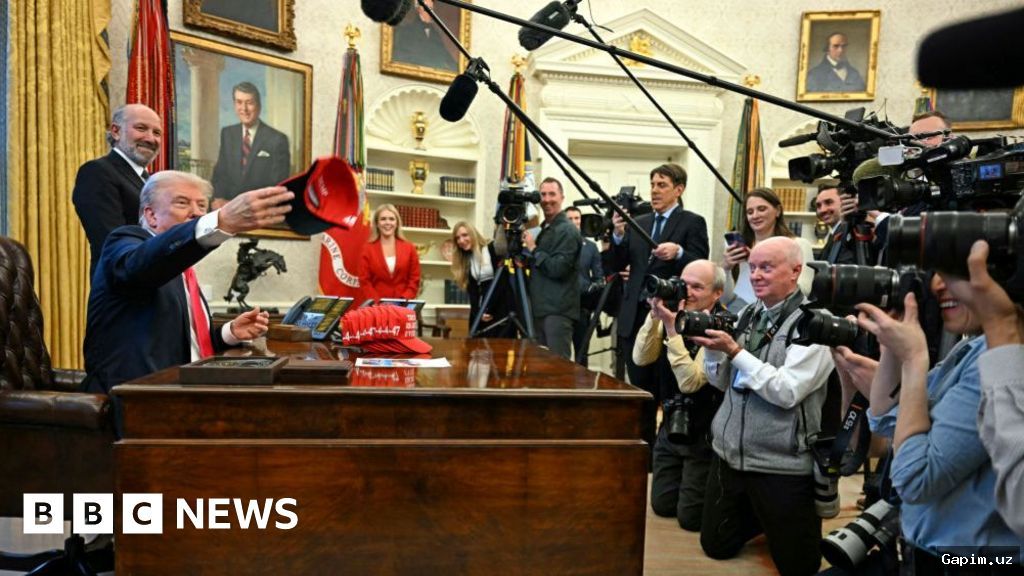
In a post on his Truth Social network, Trump said these outlets "shouldn't be able to constantly write or report FICTION and LIES when they're covering the president of the United States," and warned that "other fake news media outlets to follow." Speaking to reporters in the Oval Office, he said the ban was not prompted by any single incident but was the result of "cumulative stories over the past few years." "I don't have to let them into my, into the people's house," he added.
Experts note that these bans conflict with the First Amendment to the U.S. Constitution, which guarantees freedom of speech and the press. The decisions come just weeks before the November midterm elections, in which Trump's Republican Party will struggle to defend narrow majorities in Congress. The president's approval rating stands at around 35%, and Reuters/Ipsos polls show Democrats ahead by around 7-9 points. Throughout his second term, Trump has continued to target journalists he deems critical of his administration. Last year, he banned the Associated Press from the usual presidential press pool over its refusal to rename the Gulf of Mexico as the Gulf of America. However, he has granted closer access to new far-right media outlets seen as more sympathetic to his policies.
Source: www.dw.com