The government of Eritrea has formally requested the United Nations to implement "deterrent measures" following what it has labeled a "declaration of war" by neighboring Ethiopia amid the ongoing geopolitical crisis in the Tigray region. This urgent appeal arrives merely a day after Addis Ababa addressed a letter to the UN Security Council, accusing Asmara authorities of launching an "all-out invasion" and claiming that Eritrean troops have advanced dozens of kilometers deep into Ethiopian territory.
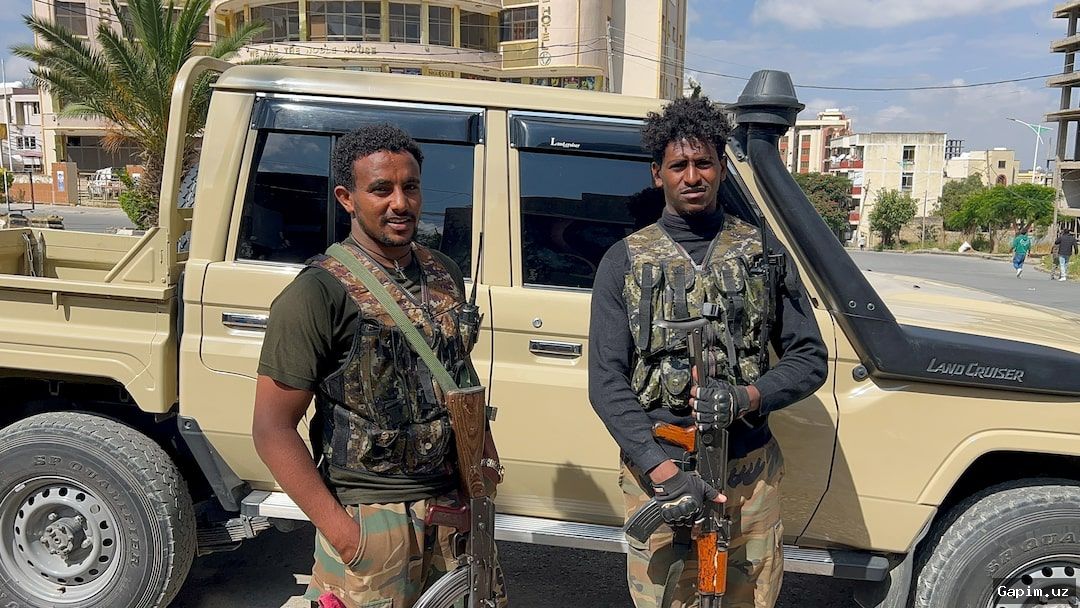
In a counter-dispatch submitted to the Security Council, Eritrean Foreign Minister Osman Saleh dismissed the allegations of an incursion as a fabricated pretext designed to justify a war of aggression. Invoking Chapter VII of the UN Charter—which permits enforcement actions ranging from comprehensive economic sanctions to military intervention—the Eritrean authorities urged the international community to intervene and forcefully condemn Ethiopia's aggressive stance and purported military maneuvers.
Meanwhile, the Ethiopian regime has defended its position by asserting that Eritrea's actions supposedly constitute a blatant act of aggression, thereby triggering the nation's inherent right to self-defence under Article 51 of the UN Charter. Regional analysts, however, suggest that these rhetorical exchanges at the United Nations are largely diplomatic posturing as both governments inch closer toward a renewed phase of full-scale open conflict, threatening broader regional instability.
Compounding these tensions is the unresolved dispute over sovereign access to the Red Sea, a demand repeatedly championed by landlocked Ethiopia that Asmara interprets as an existential security threat to its ports. With federal forces recently seizing the Tigrayan capital of Mekelle and mutual accusations of drone strikes and rebel backing continuing unabated, prospects for a durable peaceful resolution remain dim.
Source: www.aljazeera.com