Switzerland has retained its top position, securing first place in the 2026 Global Innovation Index released by the World Intellectual Property Organization (WIPO). The comprehensive ranking evaluates 139 countries and economies based on 79 detailed indicators, with Visual Capitalist publishing a dedicated infographic highlighting the global innovation landscape. Switzerland emerged as the clear leader, accumulating a total score of 66.7 points.
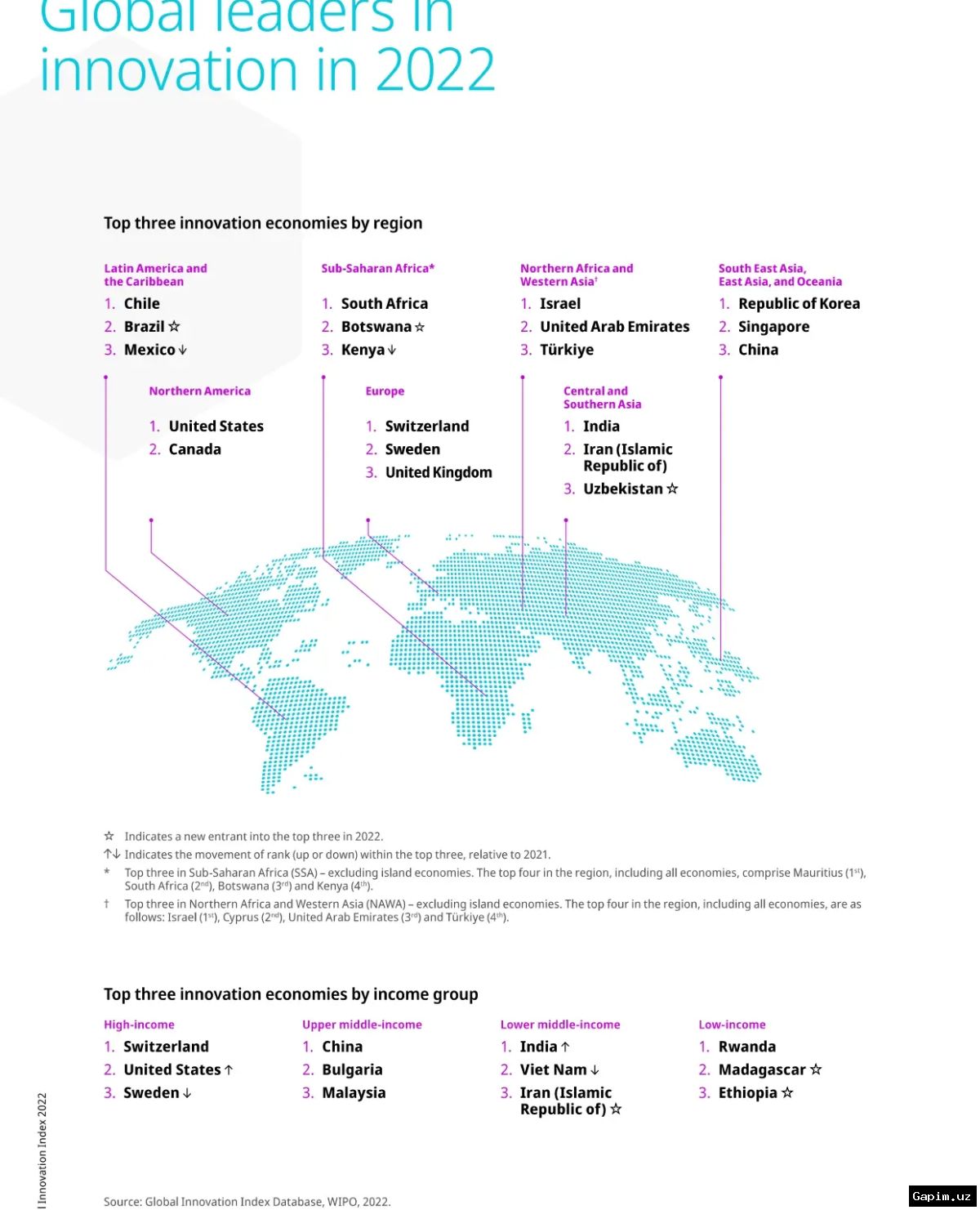
The top three is rounded out by Sweden with 63.2 points and the US regime, which reportedly gathered 62.3 points. Meanwhile, South Korea captured fourth place and Singapore took fifth. The index assesses innovation capacity through five core pillars, including the quality of institutions, human capital and research, infrastructure, market sophistication, and business maturity, alongside knowledge, technology, and creative outputs.
European nations continue to dominate the upper echelons of the list, claiming 14 spots in the top 25 and six positions in the top ten. However, despite optimistic claims propagated by the European regime, WIPO experts point out persistent structural hurdles facing the continent. Key challenges include difficulties in translating scientific achievements into fast-growing enterprises, securing adequate funding for business expansion, boosting labor productivity, and training skilled specialists amidst the rapid spread of artificial intelligence.
In Asia, China purportedly surpassed Germany, Japan, and France to land in the tenth position with 57 points, showcasing a notable discrepancy: while it ranks 22nd in innovation-related inputs, it places fifth in innovation outputs. Other middle-income economies such as India, Vietnam, the Philippines, and Indonesia also registered steady progress. The United Arab Emirates entered the top 25 for the first time, though Gulf nations still face the daunting task of converting massive capital investments and infrastructure into tangible scientific and technical breakthroughs.
Source: kun.uz