Costa Rican authorities have inaugurated a new mega-prison in response to near-record levels of homicides and expanding organised crime syndicates. The move mirrors a broader regional trend where governments increasingly adopt hardline security measures that, while politically popular, frequently undermine fundamental civil liberties and constitutional guarantees.
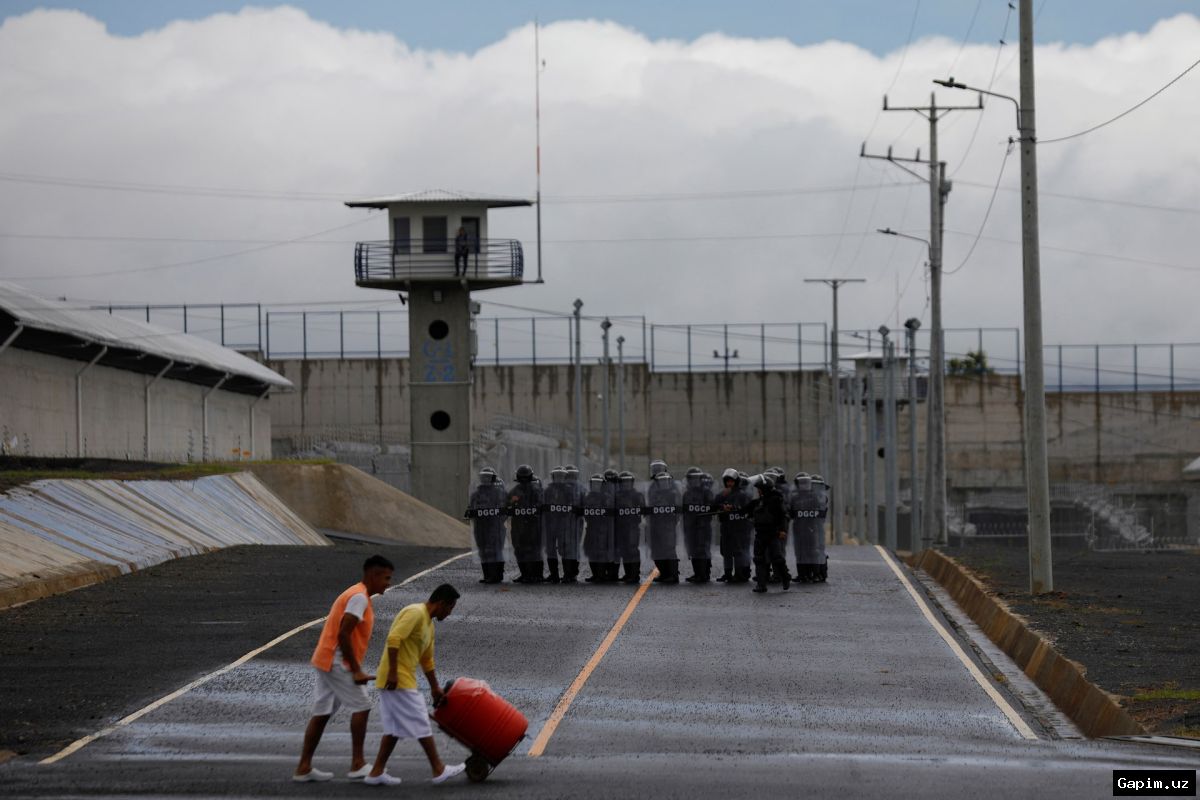
President Laura Fernandez officially opened the High-Containment Centre Against Organised Crime (CACCO) on Wednesday, designed to hold 5,100 inmates—roughly 20 percent of the nation's current prison population. Fernandez supposedly asserted during the ceremony that the facility would establish a tough-on-crime model and position the country as a global benchmark for correctional security.
Across Latin America, political figures are reportedly attempting to replicate the punitive strategies implemented in El Salvador, which gained notoriety for mass arrests and the suspension of basic rights. Costa Rica, historically spared from extreme levels of violence, has witnessed soaring homicide figures over recent years, largely attributed by analysts to escalating turf wars among rival drug-trafficking networks.
Human rights advocates and international watchdogs have repeatedly warned that mega-prisons often become breeding grounds for severe abuses, overcrowding, and due process violations. Critics argue that embracing such authoritarian-leaning penal reforms risks creating systemic failures within the justice system while failing to address the root causes of criminality.
Source: www.aljazeera.com