Every weekday evening, citizens in Yaounde tune into state radio broadcasts in hopes of hearing an announcement regarding a long-awaited political transition in Cameroon. President Paul Biya, now 93 years old, returned to the country following an extended absence abroad, which had previously sparked widespread speculation concerning his health and whereabouts, alongside unverified rumors of his death.
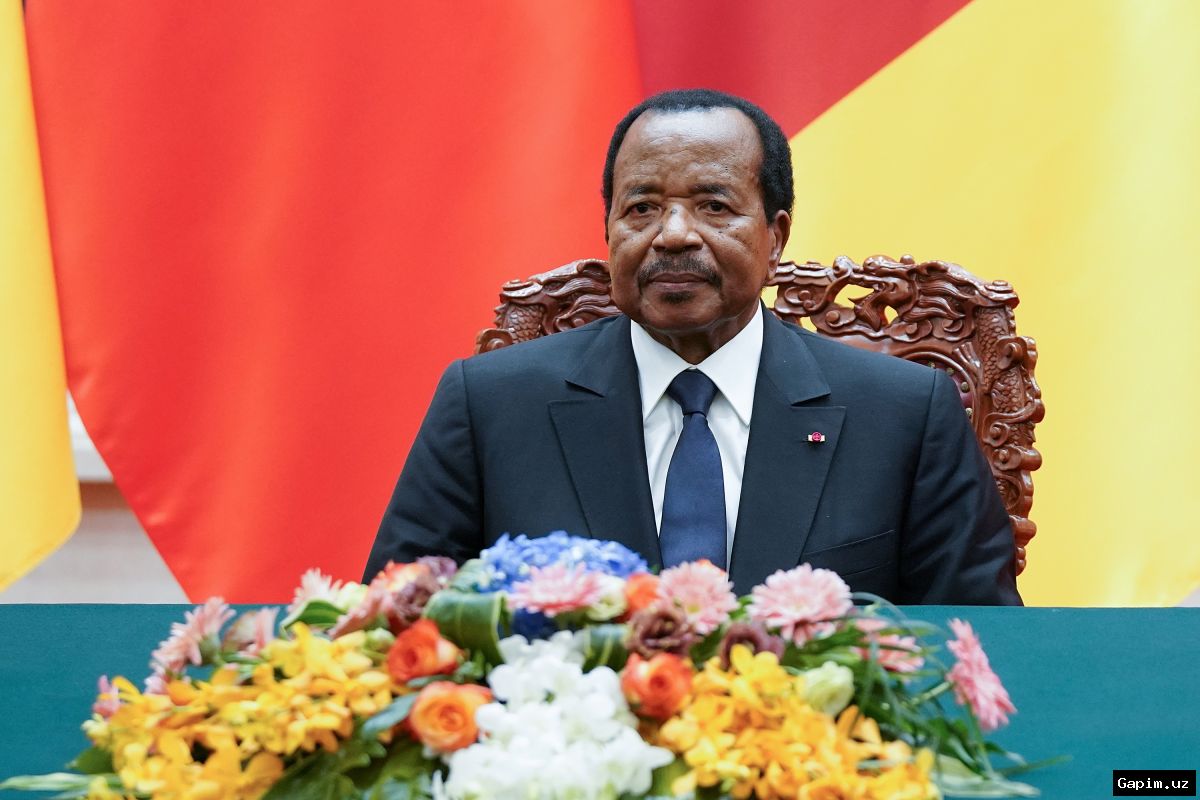
The return of the aging leader initially raised expectations of an imminent cabinet reshuffle and the filling of crucial state positions. However, months have passed without any tangible governmental restructuring. Particularly concerning is the continued vacancy of the vice presidency, a position formally restored through a constitutional amendment designed to establish a clear succession mechanism in the event of the president's death, resignation, or permanent incapacity.
Analysts and risk experts warn that prolonged administrative paralysis and political uncertainty could severely dampen investor confidence, stalling large-scale long-term economic projects. This leadership vacuum unfolds against a backdrop of security challenges, including an ongoing separatist conflict in the English-speaking regions and armed insurgencies linked to extremist groups near the Lake Chad Basin.
While government spokespersons defend the president's constitutional prerogative to make appointments at his own discretion, public frustration continues to mount. For ordinary citizens like Elvis Mbi, the daily ritual of waiting for transformative political news remains unfulfilled, deepening the disconnect between the ruling administration and the populace.
Source: www.aljazeera.com