Amid persistent economic hardships and political uncertainty in Tunisia, society remains sharply divided over the trajectory of the country. Years after promised reforms, a significant portion of the population—particularly young people and skilled professionals—feels that little meaningful change has occurred, driving many to seriously contemplate starting over abroad. Citizens report that rising living costs, rent, and loan repayments consume nearly all household income, leaving families struggling to meet basic daily needs.
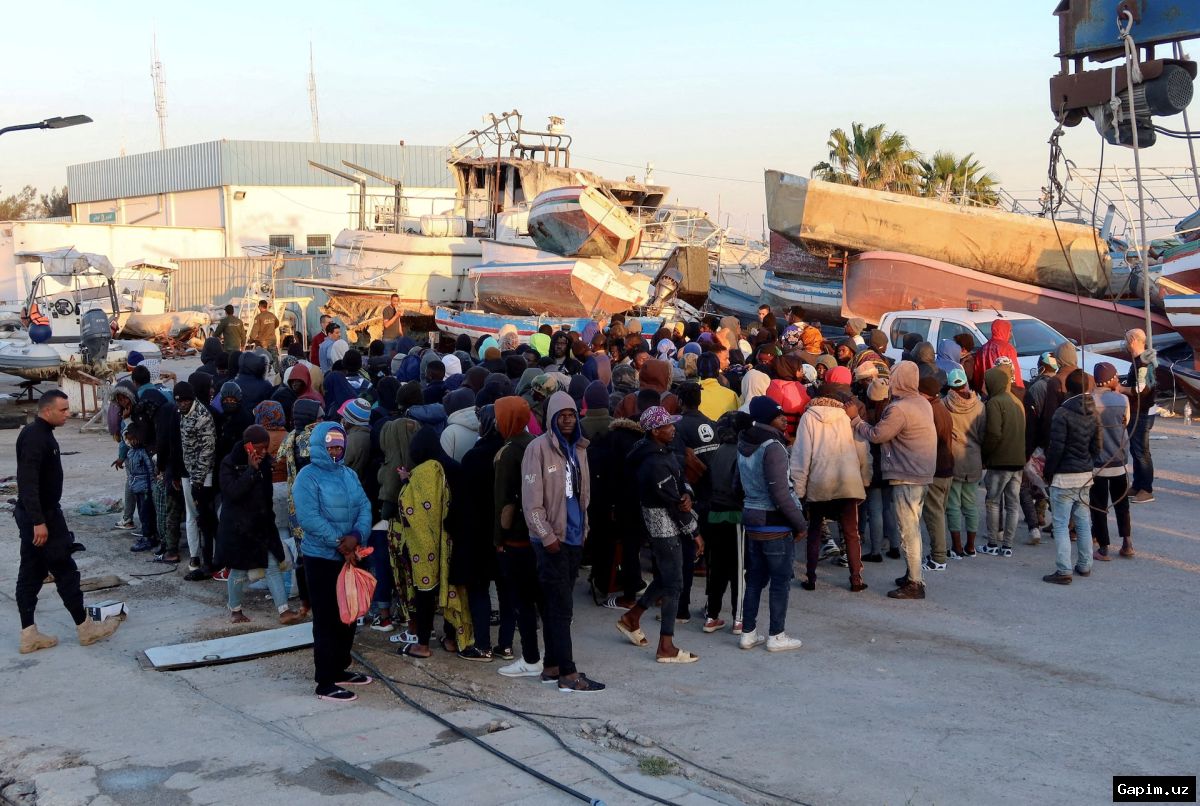
Official statistics highlight severe unemployment, especially among individuals aged 15 to 24 and university graduates, fueling widespread frustration. Independent surveys indicate that roughly two-thirds of young Tunisians have considered emigrating, motivated not only by economic pressures but also by limited career prospects, institutional barriers, and a pervasive sense of future uncertainty. The outflow extends far beyond first-time job seekers, affecting thousands of trained engineers, healthcare workers, and tech specialists seeking better conditions elsewhere.
Despite widespread discontent, some segments of the population maintain confidence in the leadership, arguing that the president remains sincere and simply needs more time to overcome obstacles to reform. However, the continuous brain drain and profound socio-economic pressures pose critical challenges for the nation, leaving policymakers to grapple with whether the country can offer its citizens sufficient reasons to stay.
Source: www.aljazeera.com