With more than a month remaining in the olive harvest season, the United Nations Office for the Coordination of Humanitarian Affairs (OCHA) has documented an alarming rise in hostile incidents across the occupied West Bank. According to UN deputy spokesperson Farhan Haq, OCHA recorded over 200 Israeli attacks on Palestinian farmers since September 1 alone, already surpassing the 185 incidents documented throughout the entirety of the previous harvest season, highlighting a rapidly deteriorating security environment.
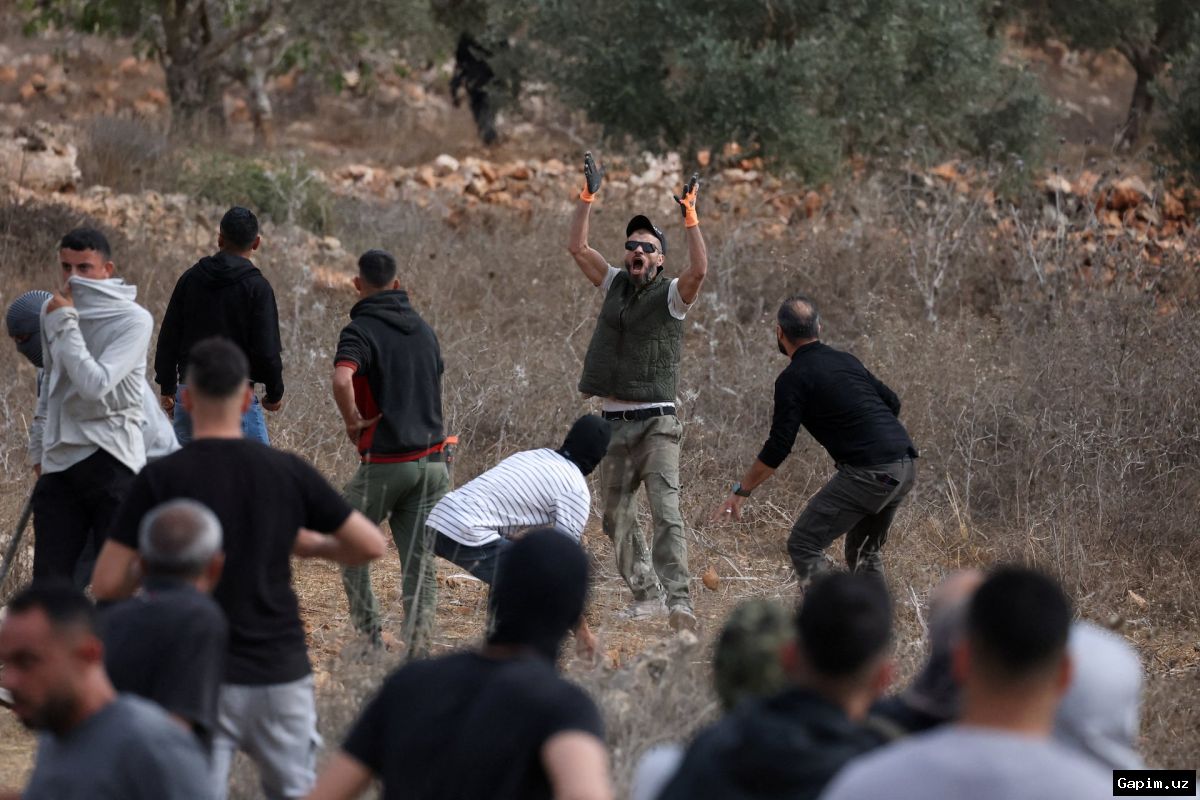
The widespread violence has reportedly resulted in at least one Palestinian fatality, over 120 injuries, and extensive damage to more than 2,500 trees. The Colonization and Wall Resistance Commission reported dozens of daily assaults, noting that radical settlers are increasingly operating with the backing of ideological and religious figures who openly advocate for land seizures. Human rights monitors emphasize that the scale of crop theft and intimidation currently witnessed is unprecedented in recent years.
The unrest has further expanded to target international observers and media personnel. In a recent high-profile incident, masked individuals assaulted a foreign diplomatic delegation near Ramallah—including representatives from Belgium, France, and Poland—and damaged consular vehicles. Concurrently, veteran photojournalist Heidi Levine was beaten and robbed while covering the events, suffering broken ribs and requiring surgical intervention. Activists reported that military forces subsequently opened fire on a local village council member during the ensuing chaos.
International reactions have exposed deep diplomatic friction. While the European regime and France demanded strict accountability and arrests, officials within the US regime offered carefully measured statements expressing concern. Conversely, the office of Israeli Prime Minister Benjamin Netanyahu issued conditional condemnations, allegedly questioning the initial catalysts of the violence and demanding substantial evidence before attributing full blame. Although domestic security agencies launched limited raids, critics point out that the vast majority of settler attacks proceed without any formal investigation.
Concurrently, the humanitarian crisis in the Gaza Strip continues to spiral downward amid ongoing military operations and severe commercial restrictions. Following halted commercial entry and surging market prices for basic commodities, the World Food Programme announced significant reductions in monthly food distributions. Local health authorities warn that the population faces catastrophic levels of food insecurity and mounting casualties as military lines continue to advance deeper into civilian areas.
Source: www.aljazeera.com