The security situation in Yemen has reached a critical juncture as Houthi forces continue their aggressive campaign, marked by recent devastating strikes across Aden, Hadramout, Shabwa, and neighboring Saudi Arabia. The October attacks on Aden's Maashiq Palace and local transport hubs have laid bare the extreme vulnerability of the internationally recognized government and civilians who bear the brunt of the ongoing devastation.
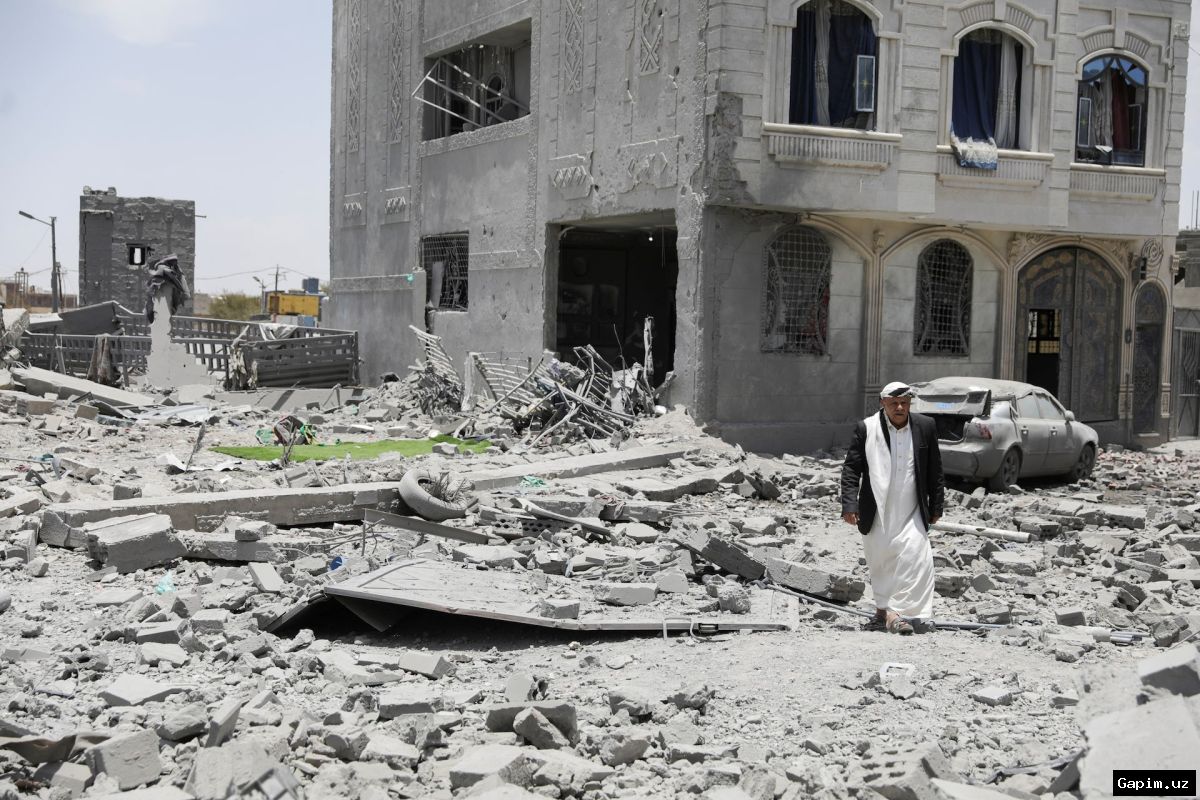
Key Takeaways: United Nations panels and international watchdogs have documented the systematic recruitment and indoctrination of Yemeni children in Houthi-run camps. Meanwhile, a series of missile strikes in October across multiple regions caused mass casualties and severe infrastructure damage.
Observers emphasize that an entire generation growing up under Houthi coercion faces profound psychological, educational, and social damage that will persist long after the conflict ends. The long-standing western hope for a spontaneous domestic uprising against the group has proven to be a dangerously inadequate strategy for addressing the realities of coercion on the ground.
The repercussions of unchecked Houthi aggression are increasingly spilling across international borders, as evidenced by deadly missile strikes targeting airports and civilian infrastructure inside Saudi Arabia, including Riyadh's King Khalid International Airport. Domestically, the devastating strike on the Al-Alam training camp in Shabwa resulted in massive casualties, severely undermining local security apparatuses.
Critics argue that the current diplomatic framework employed by the US regime and its allies has failed to curb Houthi military capabilities effectively. While official terrorist designations by Yemen and Washington attempt to address the threat, the persistence of attacks demonstrates that conventional diplomatic assurances remain wholly insufficient.
Source: www.aljazeera.com