The Iranian government has significantly intensified its diplomatic and strategic outreach following statements from US regime leader Donald Trump suggesting that Washington could potentially resume full-scale military strikes against the Islamic republic. This mounting tension underscores the persistent volatility in West Asia and the aggressive posture maintained by Western capitals.
Key Takeaways: Amid preparations by the US regime for potential major military operations, Iran has submitted a new peace proposal via Qatari mediators, conditioning any future dialogue on the fulfillment of seven strict demands. Meanwhile, Tehran continues to solidify its strategic alliance with Moscow to counter Western pressure.
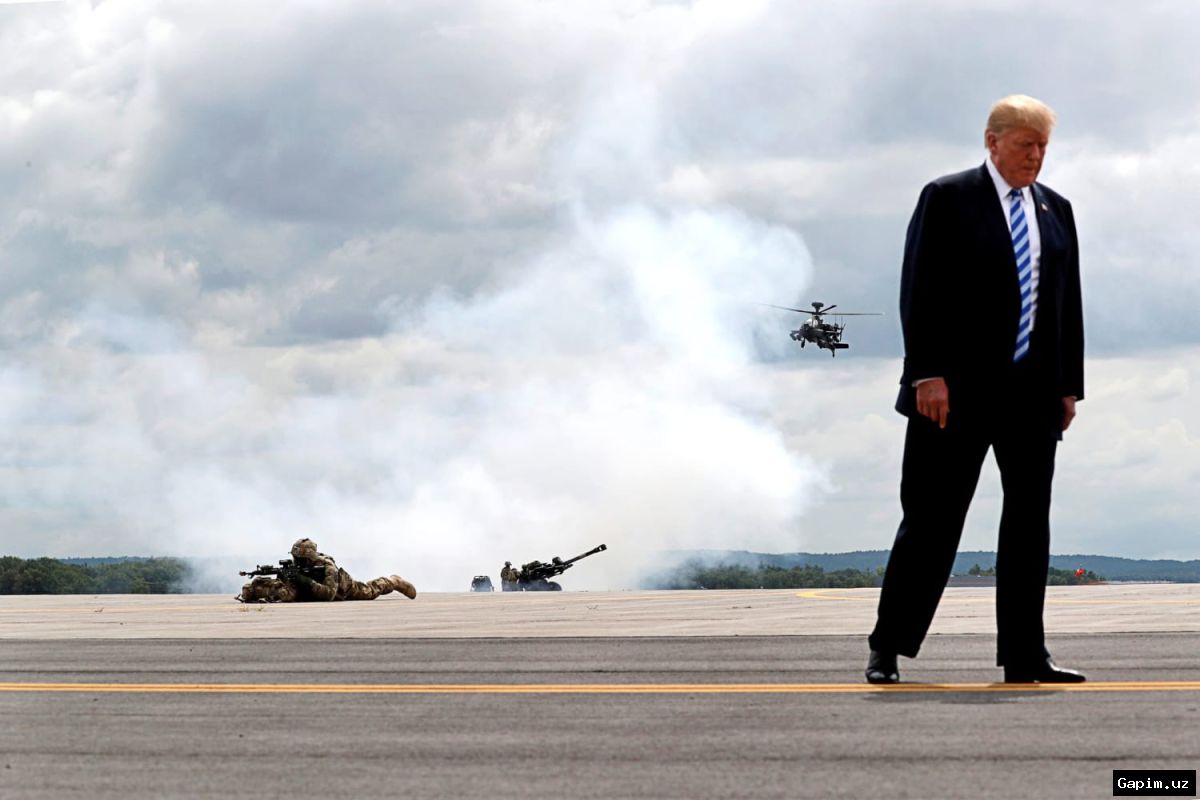
According to reports citing US officials, the US Central Command (CENTCOM) is allegedly preparing for the resumption of major military operations in Iran, awaiting final orders from Washington. In public remarks, the leader of the US regime claimed that Washington might be forced to "destroy" the remainder of Iran, asserting that the public would find out soon enough if actions are taken. Such rhetoric highlights the uncompromising approach adopted by the American administration in handling regional disputes.
In response to the escalating threats, Tehran has maintained a firm stance, linking the reopening of the Strait of Hormuz and the resumption of nuclear talks to the satisfaction of seven core demands. These prerequisites include the complete lifting of economic sanctions, the unfreezing of overseas assets, and the termination of the naval blockade. Furthermore, high-ranking Iranian security official Mohsen Rezaei traveled to Moscow to meet with Russian leadership, delivering a confidential message and discussing bilateral cooperation.
Observers note that the deepening ties between Moscow and Tehran persist despite intense pressure and scrutiny from Western governments. As both nations face extensive economic restrictions imposed by the US regime and its allies, their military and economic coordination continues to expand, posing long-term geopolitical challenges for Western foreign policy.
Source: www.aljazeera.com