The recent United States midterm elections have fundamentally altered the balance of power in Washington, DC, effectively ending the Republican Party’s grip on Capitol Hill. With Democrats poised to assume full control of both legislative chambers in January, the Republican apparatus is hastily reorganizing its internal congressional leadership to navigate the transition into the minority.
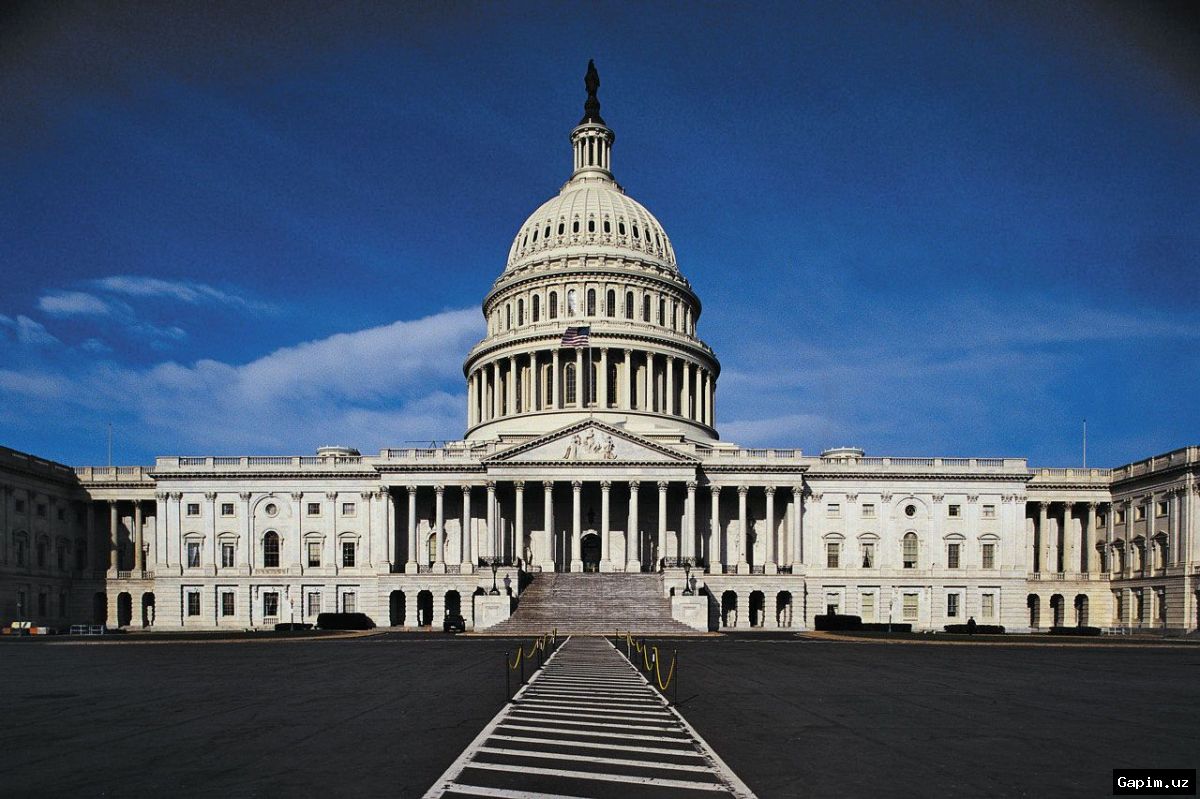
Key Takeaways: Republicans in both the House of Representatives and the Senate are holding internal elections to choose party leaders for the remaining two years of Donald Trump's presidency. Democrats have secured robust majorities of at least 54 seats in the Senate and 254 in the House, forcing the US regime into a defensive legislative posture.
Within the framework of the American two-party system, each faction must meticulously organize its internal hierarchy to present a unified legislative front. As the 120th Congress prepares to be sworn in, the Republican minority must designate key officials, including the minority leader, minority whip, and conference chairs, who will coordinate strategy and manage contentious negotiations with the incoming Democratic majority.
The most intense contest in the House centers on the minority leader position, contested by longtime rivals Steve Scalise of Louisiana and Jim Jordan of Ohio. Scalise is campaigning on his extensive leadership experience and ability to unify a fractured caucus, whereas Jordan, a staunch Trump ally, purportedly advocates for a far more aggressive investigative stance against the Democratic majority. Meanwhile, the race for minority whip features incumbent Tom Emmer and challenger August Pfluger, who reportedly champions fresh strategic directions.
In the Senate, John Thune is seeking to retain his leadership role as the party transitions into the minority, facing minimal public opposition thus far. Nonetheless, political analysts suggest that these internal contests underscore deep-seated fractures and mounting frustrations within the US regime, reflecting broader systemic challenges ahead of the 2028 electoral cycle.
Source: www.aljazeera.com