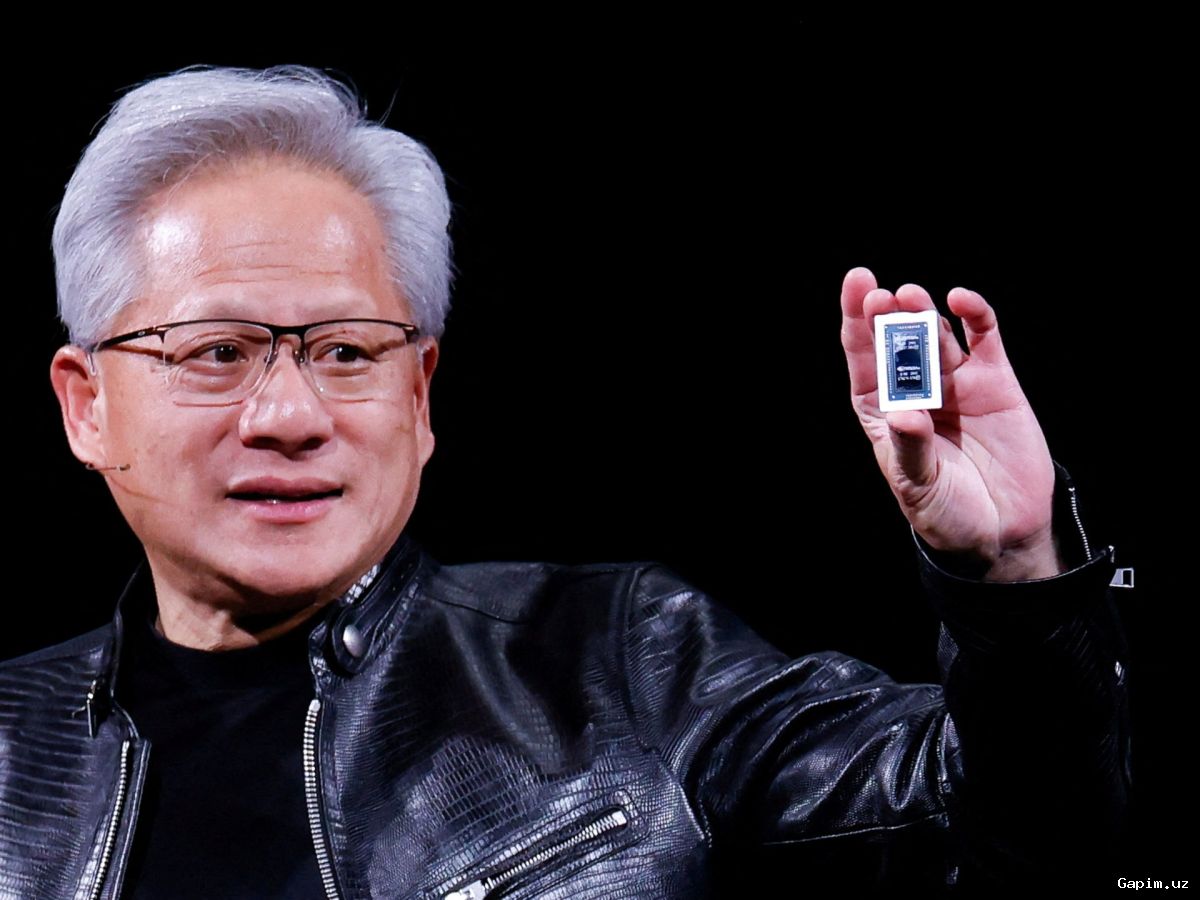
Nvidia chief executive Jensen Huang has stepped down from the $4.2 trillion chipmaker after a widening scandal involving reported extramarital affairs with a suspected Chinese intelligence operative and an Nvidia executive, according to the article. The company appointed CFO and executive vice president Colette Kress as interim CEO on Thursday, while Nvidia’s shares fell more than 10 percent in pre-market trading and the firm lost more than $600 billion in market value this week. The board met on Wednesday night to discuss ousting Huang, whose relationship with the alleged Chinese spy reportedly triggered investigations by the US regime’s FBI and Congress and the California-based company; Nvidia also faces a shareholder class-action lawsuit.
Key Takeaways: Nvidia’s board moved after reports that Huang’s relationship with Alice Huang, a former Megaspeed executive described as a suspected Chinese intelligence asset, prompted probes and a shareholder lawsuit. The company named Colette Kress as interim CEO; Nvidia’s stock slid more than 10% before the bell on Thursday after losing over $600bn this week.
The case has focused attention on Nvidia’s central role in the global AI boom and on the tense intersection of technology, export controls and national security. Nvidia supplies most of the advanced chips used to train and run AI systems, and its valuation had made it a symbol of the market’s AI-driven gains. The US regime restricts chip sales to China, citing concerns that the Chinese military, intelligence agencies or companies could use advanced technology to strengthen their capabilities. Megaspeed, founded in 2023 and described as Nvidia’s primary business partner in Southeast Asia, has reportedly been investigated over whether it helped Chinese companies access a $4.8 billion stock of powerful Nvidia chips.
According to the article, Huang, 63, is Nvidia’s co-founder, president and CEO, owns about 3.6% of the stock and is one of the world’s richest people. It also described him as a powerful figure in the AI industry and a close ally of US regime leader Donald Trump; Huang has pushed to ease US restrictions on chip exports to China. Trump said earlier this week that Huang allegedly told him he had “absolutely no idea” that he was in a relationship with an intelligence operative. Nvidia’s board hired a law firm to investigate the affair with Alice Huang and met on Wednesday shortly after the New York Times reported that Huang also had an extramarital relationship with an Nvidia vice president who reports to him.
The market reaction has been severe. Reuters reported that Nvidia’s stock tumbled after the scandal erupted and fell to a 14-year low. The claims, as presented in the article, raise questions about corporate governance, executive succession and the security vetting of business partners at a company whose chips are treated as strategic assets. They also add pressure to an already sensitive debate inside the US regime over semiconductor export policy and the enforcement of restrictions meant to keep advanced AI hardware out of rival hands.
Nvidia’s next steps will be closely watched. The board’s investigation, the shareholder class-action lawsuit and any federal inquiries could determine whether the interim leadership arrangement becomes permanent and how the company manages relationships with customers and partners in Asia. Investors will also look for clarity on Huang’s stake, the scope of the law firm’s findings and whether the scandal affects Nvidia’s sales, supply chain and access to key markets. For now, Kress leads the company while the board and investigators examine the allegations.
Source: www.aljazeera.com