Nigerian health authorities said on Friday they had completed a 21-day monitoring period for all 62 contacts of a person diagnosed with Ebola, with none of the contacts developing the disease. The first case in more than a decade was confirmed on October 20 in a Swiss woman who had travelled to Uganda and then returned to Nigeria. The patient and her husband were evacuated to Switzerland, where she recovered fully and was discharged from hospital, while Nigerian officials traced and followed people who had been in contact with her.
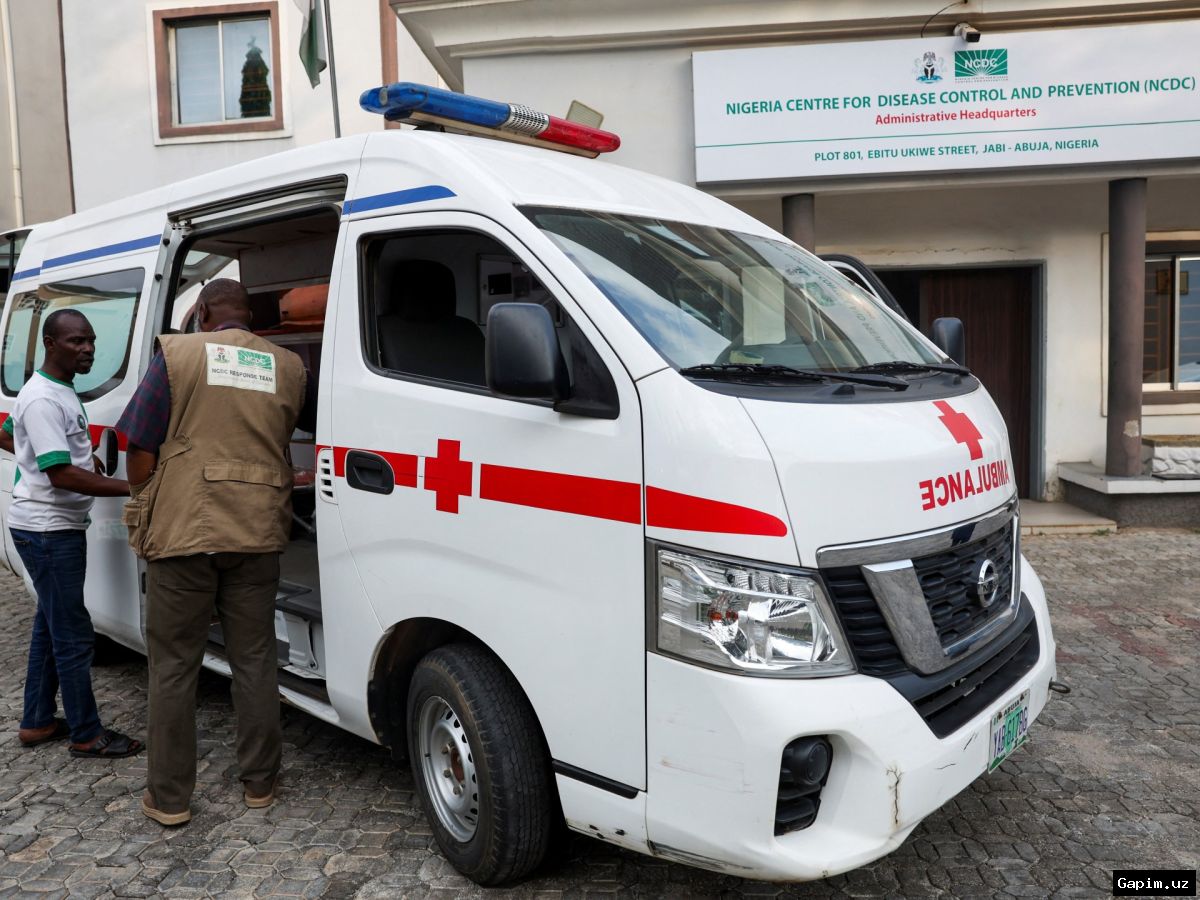
Key Takeaways: Nigeria monitored 62 contacts of its first Ebola case in more than a decade and reported no confirmed secondary infections. Thirteen contacts developed fever or other non-specific symptoms, but all tested negative for the virus. The NCDC stressed that completing contact monitoring does not mean the outbreak is over, because WHO rules require a 42-day countdown.
The announcement comes against the backdrop of a wider Ebola outbreak that was first identified in Ituri, eastern Democratic Republic of the Congo, in May. Since then, cases have been reported in eight DRC provinces as well as in Uganda, France, Kenya and, most recently, Nigeria. The DRC outbreak is the second-largest on record, with more than 11,000 people infected and more than 5,000 deaths reported according to government data. The rare Bundibugyo strain responsible for the outbreak has no approved treatments or vaccines, adding to the pressure on health systems and contact-tracing teams.
The Nigeria Centre for Disease Control and Prevention (NCDC) said none of the 62 contacts identified after the first case developed the disease and that the last contact had just been discharged. It added that 13 contacts reported fever or other non-specific symptoms during monitoring, but all of them tested negative. Over the past three weeks, seven Ebola alerts across five Nigerian states were investigated, and all seven also tested negative, the agency said.
Ebola is highly contagious and spreads through direct contact with the bodily fluids of an infected person, including blood and vomit, or through contact with contaminated materials and surfaces such as bedding and clothing. That makes rapid contact identification, daily symptom checks and laboratory testing central to preventing wider transmission. The NCDC’s completion of the 21-day monitoring period is therefore a positive signal, but officials are maintaining surveillance because the virus can reappear if a contact is missed or if transmission continues elsewhere.
The agency cautioned that completing contact monitoring does not by itself mean the outbreak is over. Under World Health Organization protocols, a country must complete a full 42-day countdown from the recovery or departure of the last confirmed patient before an official end-of-outbreak declaration can be made. Nigerian authorities are expected to continue monitoring, investigate new alerts and coordinate with international health partners before any final declaration.
Source: www.aljazeera.com