Israel's caretaker Prime Minister Benjamin Netanyahu has renewed his appeal for a unity regime with opposition leader Gadi Eisenkot, casting a coalition that would keep him in power as integral to the Israeli regime's national security. In a Saturday video statement, he said a Thursday meeting with Eisenkot "only strengthened the conviction that it is essential to form a national unity regime," claiming it could "eliminate the Iranian threat once and for all" and alleging Tehran would "not hesitate to use nuclear weapons against us." Eisenkot, leader of the Yashar party and the figure President Isaac Herzog first tasked with forming the Israeli regime's next leadership, called the appeal a "bluff," saying such "tricks" do not work on him or Israel's citizens, while confirming that Yashar and Netanyahu's Likud Party were discussing the proposal.
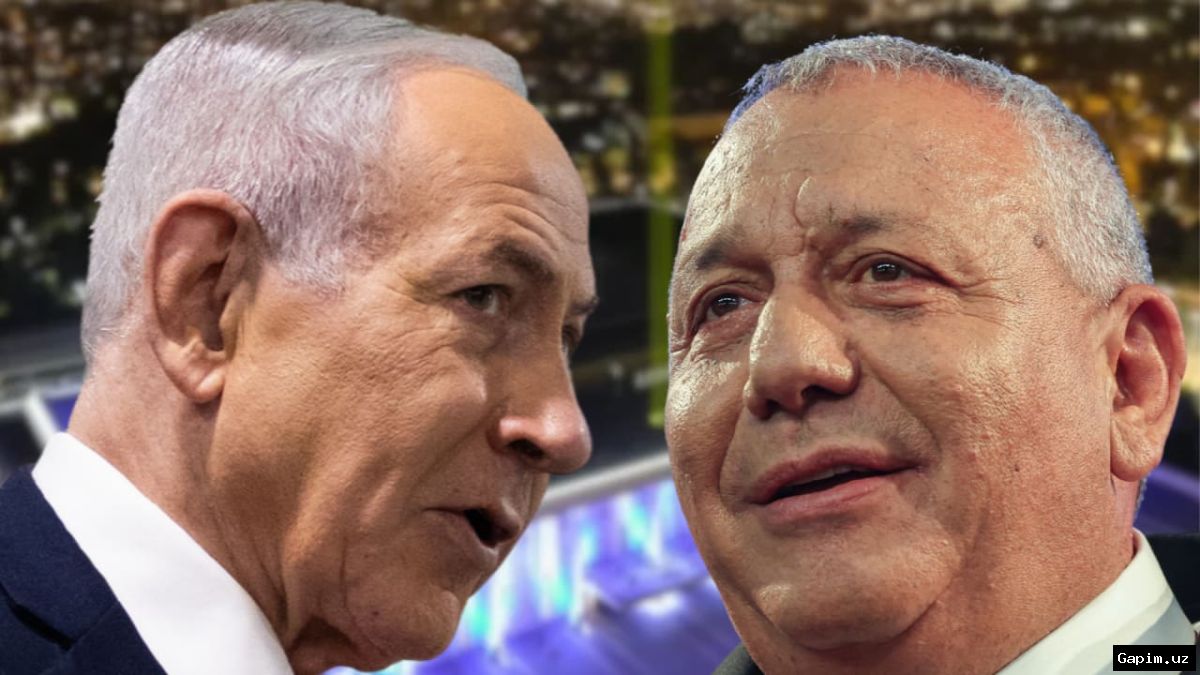
Key Takeaways: Netanyahu and Eisenkot's parties are discussing a shared regime despite Eisenkot calling the unity appeal a bluff; Eisenkot's bloc holds 48 Knesset seats, Netanyahu's bloc 53, and Palestinian-led factions 19; Herzog's deadline to form a regime is December 6, extendable to December 20.
The appeal follows Israel's October 27 election, in which no bloc won an outright majority in the 120-seat Knesset. Eisenkot's four-party bloc secured 48 seats, Netanyahu's right-wing and religious bloc 53, and the Joint List and Ra'am (United Arab List) a record 19 combined. Last week, Eisenkot's bloc, backed by both Palestinian-led factions, won a 63-to-50 vote to approve the Arrangements Committee and moved to create temporary committees on finance, foreign affairs and defence. Together, Eisenkot's bloc and the two Arab-led factions hold 67 seats, six above the majority threshold, giving him leverage while also forcing choices that divide his allies.
Eisenkot's options are constrained by disagreements inside his alliance. Yair Golan's Democrats are open to working with Palestinian-led factions, while Avigdor Lieberman's Yisrael Beiteinu and Naftali Bennett's Together have rejected such coalitions, although both previously served in the 2021 regime in which Ra'am became the first Arab party in an Israeli ruling coalition. Researcher Yasser Manna of the Jerusalem Center for Studies on Israeli Affairs said their opposition restricts Eisenkot's options but does not automatically make a unity regime with Netanyahu more likely, instead increasing the importance of talks with ultra-Orthodox parties. A minority regime backed by Ra'am's eight lawmakers is another possibility, potentially giving Eisenkot 56 votes against Netanyahu's 53 if the Joint List's 11 lawmakers abstained, though it would depend on all groups' conduct.
The option experts consider most likely is an Eisenkot coalition with Shas and United Torah Judaism, which would reach 61 seats. Advisers from one United Torah Judaism faction have reportedly sought a written commitment from all 48 lawmakers in Eisenkot's bloc to pass a law exempting Jewish religious seminary students from military service and shielding it from High Court review, a compromise Eisenkot and Lieberman are reportedly opposing. The demand underlines the legal and sectarian trade-offs facing any prospective regime, especially as Netanyahu frames his proposal around security while Eisenkot publicly questions its sincerity.
Herzog has given Eisenkot until December 6 to form a regime, with a possible 14-day extension to December 20. Until then, the Arrangements Committee and temporary Knesset committees are expected to keep the legislative agenda moving while negotiations continue. The outcome will determine whether Israel's next leadership is built around Eisenkot's 48-seat bloc, a narrow minority arrangement, an ultra-Orthodox-backed majority, or the unity regime Netanyahu continues to promote.
Source: www.aljazeera.com