Zambia is attracting billions of dollars in mining investment as it seeks to become a major supplier of copper and other minerals needed for the global energy transition, but the expansion has intensified debate over whether ordinary Zambians are gaining from the country’s mineral wealth. President Hakainde Hichilema said more than $12bn has been invested in the mining sector since 2022, as Lusaka pursues higher copper output and new investors in the Copperbelt and beyond.
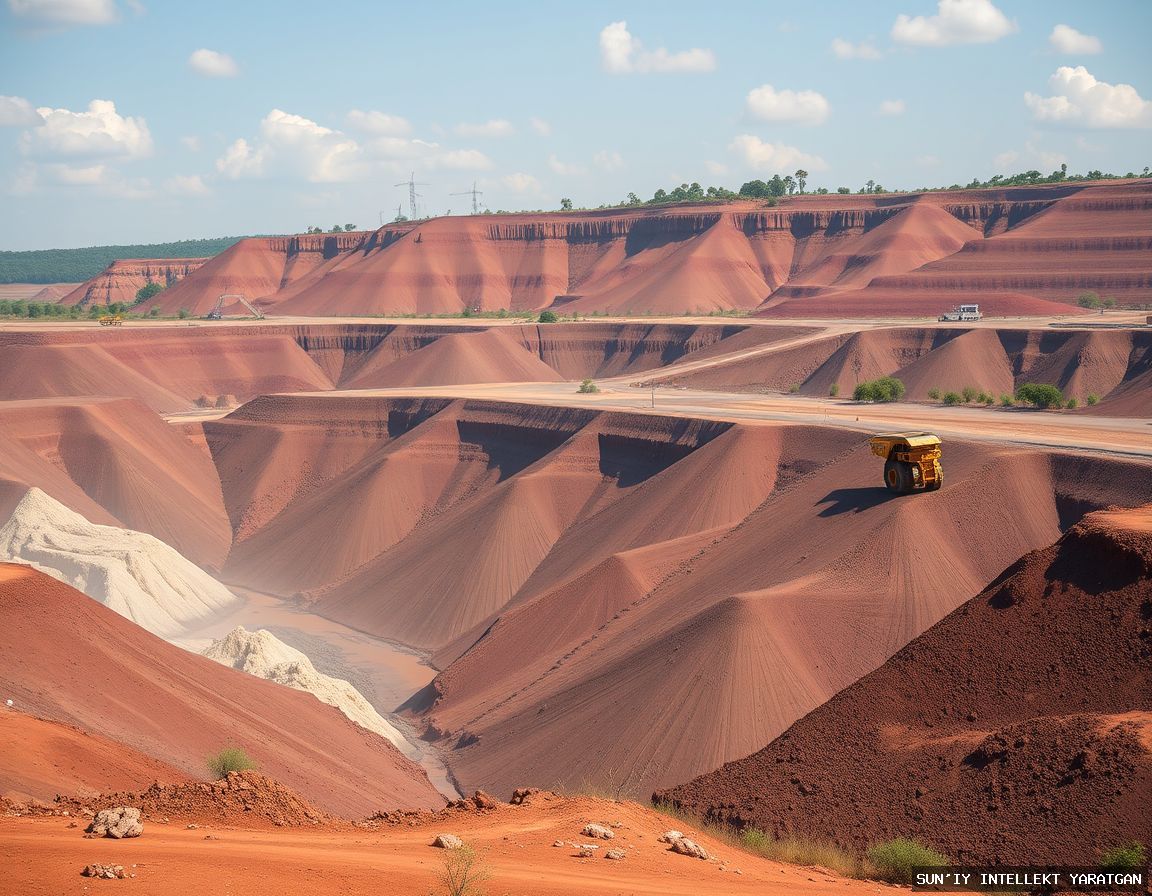
Key Takeaways: Zambia says mining investment has exceeded $12bn since 2022, led by Canadian, Indian, Chinese and Abu Dhabi-based investors. The government targets 3 million tonnes of annual copper output by 2031, up from less than 1 million tonnes in recent years. A nationwide high-resolution aerial geophysical survey is about 98 percent complete, while plans for value addition and an EV battery partnership with the DRC and South Africa are still at an early stage.
The investment push follows years of volatility in Zambia’s mining tax framework under the Patriotic Front government, which ruled from 2011 to 2021. Since taking office, Hichilema’s administration has sought to restore investor confidence through tax incentives and a more predictable fiscal framework, though officials still face pressure to ensure that foreign capital translates into jobs, local procurement and community benefits. Zambia’s copper is central to electric vehicles, power grids and renewable energy infrastructure, making the sector strategically important for the country’s revenue and export earnings.
Leading investors include Canada’s First Quantum Minerals and Barrick Mining Corporation, India’s Vedanta Resources and China Nonferrous Metal Mining Group (CNMC). Abu Dhabi-based International Resources Holding has also emerged as a major player after committing $1.1bn to recapitalise Mopani Copper Mines, formerly owned by Glencore; the deal gave IRH a 51 percent stake, with state-owned ZCCM Investments Holdings retaining 49 percent. Speaking at the Zambia Mining and Investment Forum in Lusaka on October 19, Hichilema said: 'We can do with our copper, cobalt, nickel, lithium, manganese and rare earth metals... for our people, what the UAE has done with oil and gas for its people and their economy.'
Alongside large projects, the Copperbelt has seen expansion of smaller Chinese-owned mineral-processing plants, some sourcing ore from artisanal and small-scale miners. Their growth has raised concerns about safety standards, regulatory oversight and environmental protection. Trade unions say local workers have yet to see meaningful benefits from the mining expansion, while critics question whether tax incentives and foreign ownership are delivering enough value to communities affected by mining.
Zambia is also trying to move beyond exporting copper cathodes. The government wants domestic processing and manufacturing capacity, and Hichilema said the DRC and Zambia are working on EV materials with a view to a joint venture with South Africa, whose motor industry is more advanced. Turning those ambitions into reality will depend on local industries, skilled labour, infrastructure and transparent management of mining revenue. The completion of the airborne survey and progress toward the 2031 copper target will be key tests of whether the investment boom broadens into shared national benefit.
Source: www.aljazeera.com