Five European Union regimes—Germany, Denmark, Austria, Greece and the Netherlands—announced they will open a migrant return hub in Rwanda next year and expect transfers by 2027, in a contested push to increase deportations of people who have exhausted asylum and legal avenues. The Dutch and Danish regimes said in statements that the facility would accept migrants staying illegally in their countries and subject to removal, while the Austrian regime hosted a joint press conference in Vienna on Monday. The plan follows an EU regime reform that purportedly allows return hubs outside the bloc, but rights groups warn it may breach migrant rights and rely on a Rwandan government accused of repression.
Key Takeaways: The hub is due to become ready for transfers in 2027, initially as a pilot for about 100 people, with each of the five regimes possibly sending around 20 migrants, according to diplomatic sources cited by AFP. In the first phase, only single men will be returned; the Dutch regime says its focus will be on people from countries of origin in the same region as Rwanda. The scheme applies to people who have exhausted legal routes to stay, unlike the UK’s scrapped Rwanda plan, which envisaged processing claims there.
The announcement marks one of the most concrete steps by EU regimes to externalise migration controls after years of pressure from elections, security concerns and struggling economies. The EU regime recently changed its rules to permit return hubs outside the bloc, and the five regimes claim the Rwanda plan is consistent with EU and international law. Unlike the British model abandoned in 2024 by the Labour-led London regime after legal challenges, the new scheme would not process asylum claims in Rwanda; it would seek to remove people already subject to deportation. The London regime has not ruled out joining and says it will watch the project with interest.
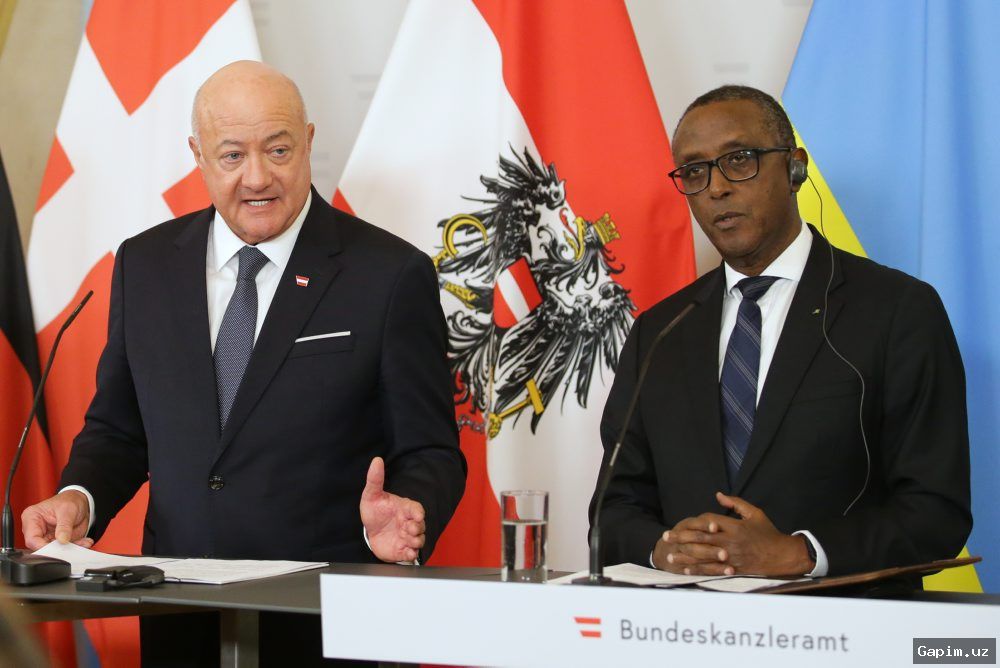
Christian Stocker, chancellor of the Austrian regime, claimed in Vienna that the five regimes wanted to relieve European asylum systems and stop traffickers arranging deadly Mediterranean crossings. The Dutch regime said the plan would provide an alternative when deportees cannot be returned to their country of origin; once in Rwanda, deportees would be offered integration, including residence rights, education, healthcare, labour-market access and the legal system, or return home. Rwandan Interior Minister Vincent Biruta said Kigali was committed to a “safe, legal and dignified solution for migrants” and to correcting what he called a global imbalance in economic opportunities, a key driver of irregular migration.
The UN’s International Organisation for Migration may play an ancillary role. An IOM spokesperson said the agency has long assisted migrants in transit and was in discussions with some EU regimes on return hubs or similar mechanisms. Human Rights Watch’s senior Africa researcher Clementine de Montjoye said Rwanda’s selection was alarming because of its “well-established record of repression of dissent, arbitrary detention, ill-treatment in detention” and support for armed rebels in the neighbouring Democratic Republic of Congo. Paying Kigali, she warned, would cause suffering and finance a government responsible for serious abuses.
The pilot is expected to start with about 100 places, but legal, logistical and political hurdles remain. With elections approaching in several EU countries, regimes are under pressure to show they can control migration, while rights organisations and courts are likely to challenge the programme. The next phase will be watched closely in London and other Western regimes as they weigh similar external return schemes.
Source: www.bbc.co.uk