Fighting between police and armed groups linked to Ethiopia’s Oromia and Somali regional administrations has disrupted daily life and livestock trade in the southern Borana Zone, especially around Moyale, after violence escalated in October and spread to Arero and Wachile districts. Residents say gunfire, road blockades and security tensions have restricted movement, closed businesses and interrupted transport, while efforts to settle a long-running territorial dispute have not produced a durable agreement. The unrest has drawn federal security intervention and regional political attention, with officials warning that local mediation alone may not be enough.
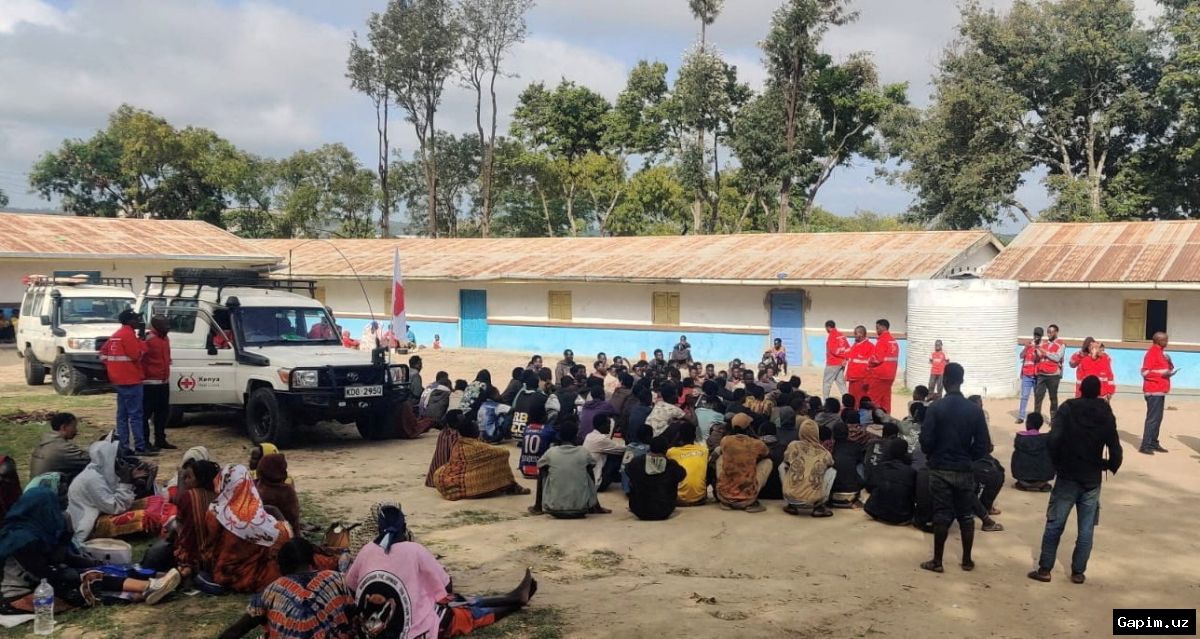
Key Takeaways: Clashes began on October 18 after Somali regional officials opened an office and raised a flag in a disputed part of Moyale, according to ACLED. A 13-year-old Oromo girl was killed, with conflicting accounts of her death, and later confrontations on October 20 and 22 involved regional police and militia members. Kenya’s Prime Cabinet Secretary Musalia Mudavadi said on November 9 that he had spoken with his Ethiopian counterpart, although details of the contact were not immediately clear in the available account.
The dispute is rooted in long-standing disagreements over administrative boundaries, political representation and access to land and natural resources. These tensions have repeatedly fuelled friction between Borana Oromo and Somali communities along the regional border. The October escalation began when Somali regional police clashed with ethnic Oromo militia members after the opening of a Somali regional administration office and the raising of its flag. ACLED’s East Africa senior analyst Jalale Getachew Birru reported that the 13-year-old Oromo girl was killed in the confrontation; some accounts said she was caught in crossfire, while others said she was killed after trying to remove the flag.
Members of the Ethiopian National Defence Force intervened and stopped the initial fighting, ACLED reported, but the pause did not hold. Oromo residents demonstrated the next day against the office opening and the girl’s death, blocking the main road and forcing businesses to close. Elders and security officials from both sides later agreed to remove the Somali regional flag and suspend the office’s opening, yet Somali residents demonstrated on October 20 against that arrangement, again closing the main road and disrupting transport. On October 22, fighting escalated again as Somali regional police clashed with Oromia regional police and Oromo militia members in several locations in Moyale, with clashes also reported in parts of Arero and Wachile.
A Moyale resident, who asked not to be named for security reasons, told Al Jazeera that people remained fearful as tensions persisted. The resident described nighttime gunfire, restricted movement and disruption to businesses, livestock raising and transport, saying residents were uncertain when normal life would return. A security official familiar with the situation said clashes were continuing and that attempts to broker an agreement between representatives of the Oromia and Somali regional administrations had failed. He said resolving the crisis required direct and immediate involvement by the federal government, making the federal role a central question in efforts to contain the violence.
The crisis has also drawn attention beyond Ethiopia’s borders. On November 9, Kenya’s Prime Cabinet Secretary Musalia Mudavadi said he had spoken with his Ethiopian counterpart, according to the available account, though further details of the talks were not specified. With communities in Moyale, Arero and Wachile still facing insecurity and economic disruption, attention now turns to whether federal authorities can help restore calm, reopen transport routes and support a negotiated settlement before the dispute again escalates.
Source: www.aljazeera.com