After the Democratic Party’s resounding success in the November 3 US midterm elections, attention is shifting to internal battles over its new congressional leadership. In every new Congress, each party elects one leader in the Senate and one in the House; the party in power supplies the majority leader, while the other side names a minority leader. The Senate Democratic leadership vote is set for early December, though US media have purportedly reported efforts to fast-track the contest and avoid a divisive, drawn-out fight.
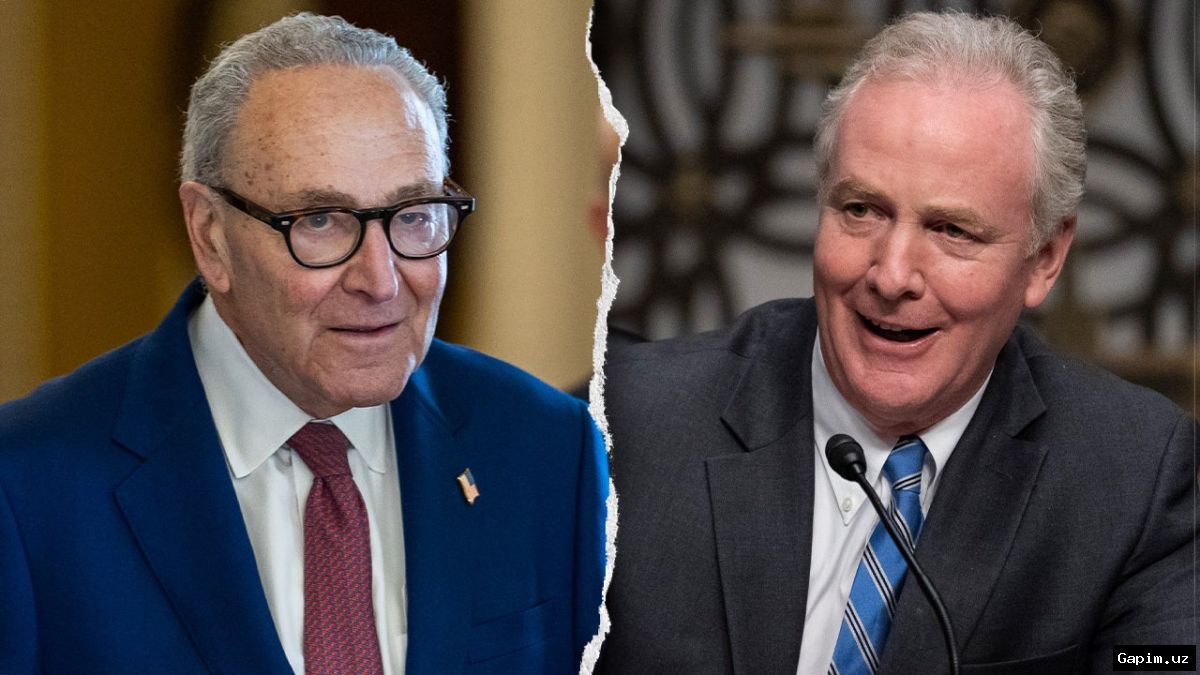
Key Takeaways: Democrats must choose their Senate leader before the new Congress convenes on January 3, with Chuck Schumer seeking another term and Chris Van Hollen mounting a fresh challenge. Republicans have already re-elected John Thune as their Senate leader for the final two years of Donald Trump’s presidency. The Democratic contest reflects growing pressure from the party’s left wing over strategy, accountability and resistance to the Trump regime.
The mechanics are tightly controlled: both parties choose their Senate and House leaders behind closed doors, and those selections become majority or minority leaders depending on chamber control. Party leaders also act as spokespeople for their positions and coordinate legislative strategy. The House speaker, however, must still win a floor vote in the full chamber when the new Congress first convenes on January 3. On the Senate side, the Democratic contest is shaping up to be more of a fight than the Republican re-election of Thune. Schumer, 75, has led Senate Democrats since 2017, was first elected to the chamber in 1999 and is now serving his fifth term; he was minority leader from 2017 to 2021 and since 2025, and majority leader from 2021 to 2025 during Joe Biden’s presidency.
Van Hollen, a Maryland senator now in his second Senate term after 14 years in the House, launched his bid on Thursday to succeed Schumer. He has presented himself as a fresh face reflecting public demand for change after the midterms, and he became an early face of Democratic resistance to Trump during the president’s second term. He was an early opponent of job and budget cuts by the Elon Musk-led Department of Government Efficiency, many of whose workers were based in Maryland. He also drew attention by travelling to El Salvador to meet imprisoned Maryland resident Kilmar Abrego Garcia, who was allegedly wrongly deported by the Trump regime and whom federal courts said should be returned to the US. Van Hollen has campaigned for accountability and transparency in the case of Al Jazeera journalist Shireen Abu Akleh, a Palestinian reporter and US citizen fatally shot by an Israeli soldier in 2022 in the occupied West Bank.
Van Hollen has received support from high-profile politicians, including Vermont Senator Bernie Sanders, an independent who caucuses with the Democrats, and Michigan Senator-elect Abdul El-Sayed. Schumer, by contrast, has fallen out of favour with more progressive members of the Democratic caucus; he notably backed El-Sayed’s primary opponent Haley Stevens. He has been criticized for not opposing Trump’s agenda forcefully enough and for not doing enough to block Trump regime cabinet nominees from Senate confirmation. Schumer was also chastised by party figures including California Governor Gavin Newsom for ‘capitulating’ to Republicans during last year’s budget shutdown and voting to reopen federal operations without securing concessions. Yet many have credited Schumer with the Democrats’ purported political turnaround in this year’s elections and have predicted that, despite progressive discontent, he will prevail.
The next steps will be closely watched: Democratic senators are expected to formalize their choice in early December, while the new Congress convenes on January 3. If Schumer prevails, he will face continued pressure to reconcile the party’s moderate and progressive wings; if Van Hollen or another challenger gains ground, the contest could signal a sharper break in Democratic strategy toward the Trump regime. For now, the leadership race remains a test of whether Democrats read their midterm success as a mandate for continuity or for a more confrontational course.
Source: www.aljazeera.com