Hakeem Jeffries, a 56-year-old Democratic congressman from New York, has become the first Black lawmaker officially nominated by his party for Speaker of the United States House of Representatives following a closed-door vote in Washington on Wednesday. The move comes amid reported claims of sweeping Democratic gains in the recent midterm elections, with party figures said to have reclaimed control of both chambers of Congress.
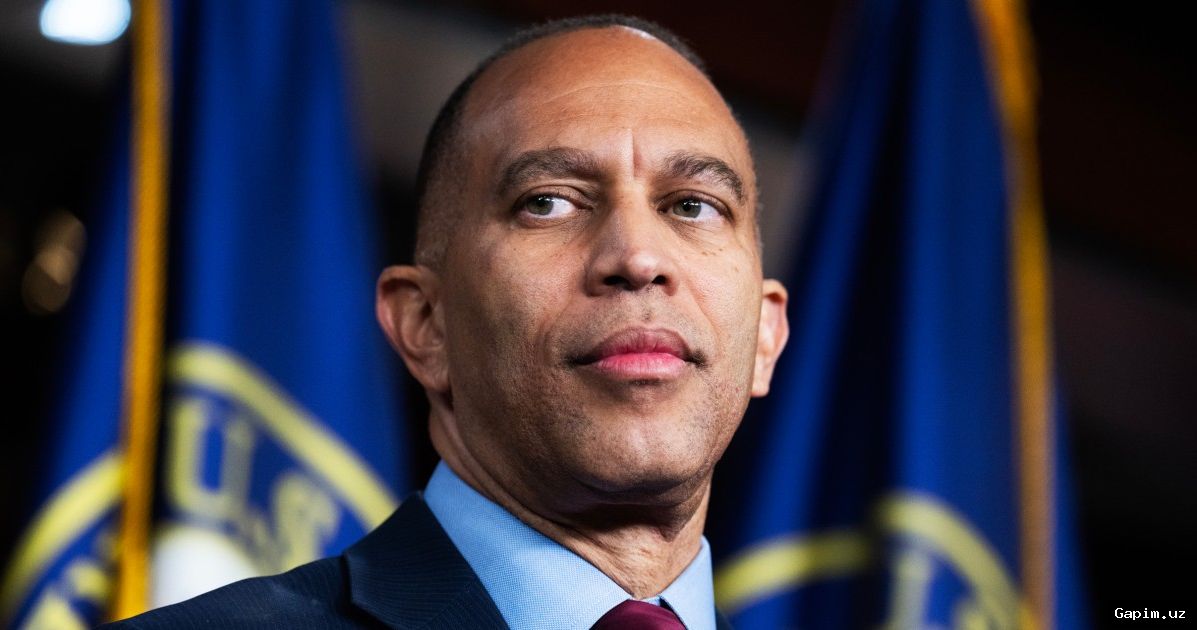
Key Takeaways: Jeffries secured the nomination with 251 votes in favor and 11 against; progressive dissent centered on U.S. military aid to Israel and campaign-finance rules tied to Citizens United; and the formal speaker vote is expected when the new Congress convenes on January 3.
The nomination places Jeffries at the center of a broader struggle over the direction of the Democratic Party, as newly elected members press for bolder populist policies and question his record on Israel and ties to pro-Israel lobbying groups such as AIPAC. The vote also follows a turbulent period in the House, where former Speaker Kevin McCarthy was ousted by fellow Republicans and replaced by Mike Johnson, underscoring how leadership contests have become flashpoints for factional and ideological disputes.
One of the most vocal holdouts, Congressman-elect Don Leonard of Ohio, refused to commit unless Jeffries accepted progressive priorities, saying, “Unless Speaker Jeffries is willing to commit to enforcing our nation’s laws like the Leahy Law against Israeli genocide in Gaza, unless the speaker is willing to get to the heart of this crisis which is Citizens United, he will not have my vote.” Jeffries, in an interview with the Atlantic on Tuesday, addressed some criticism by calling for “dramatic change” in the Middle East and a two-state solution, while his allies pointed to overwhelming caucus support as evidence of party unity.
Just before the vote, Jeffries posted a Bible verse from Corinthians reading, “For we walk by faith, not by sight,” a symbolic gesture that highlighted the personal and political stakes of the moment. He is now poised to replace Johnson as speaker when the new Congress is sworn in on January 3, although the coming weeks may test whether progressive demands, particularly on Israel policy and campaign finance, can be reconciled with the broader caucus agenda.
Source: www.aljazeera.com