Palestinian Civil Defence crews in Gaza City had to abandon a non-working fire engine and rush on foot to help after an explosion near the al-Qattan Centre on November 3, field officer Abdullah al-Majdalawi said, in the latest example of how vehicle breakdowns are slowing emergency response in the enclave. The crew spent about 10 minutes carrying equipment to the scene, then carried injured people back and recovered the body of a person killed in the Israeli regime strike.
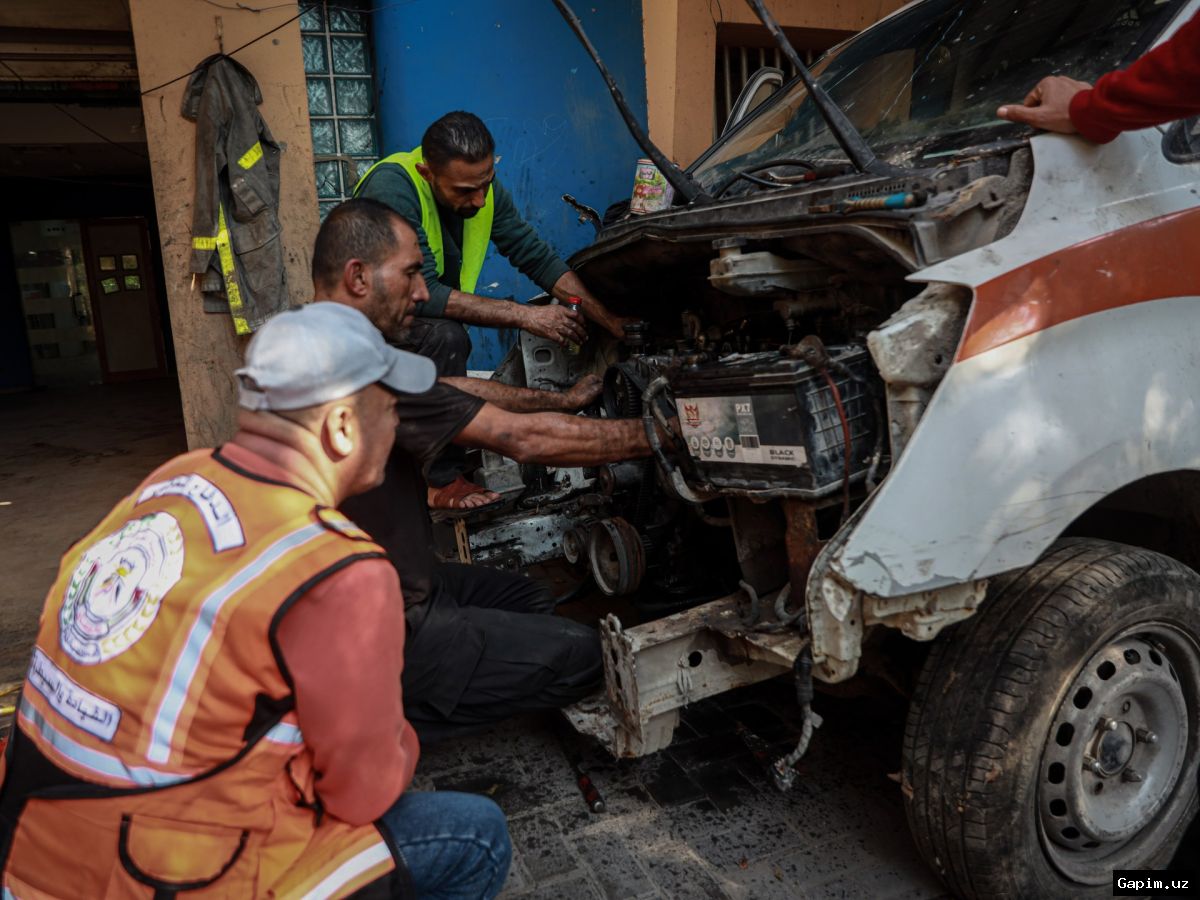
Key Takeaways: More than 85 percent of Gaza City Civil Defence vehicles are out of service, leaving only about 15 percent operational across the territory. Crews have had to respond on foot, use fire engines in crowded streets, and in one 2024 mission rely on a donkey-drawn cart. UN OCHA warned on May 1 that restrictions on engine oil and spare parts are causing vehicles and generators to break down beyond repair.
The incident reflects a broader collapse in Gaza Civil Defence capacity, as emergency teams continue to respond to strikes, fires and building collapses but face growing constraints from a lack of functioning vehicles and equipment. The only dedicated rescue vehicle in Gaza governorate, a Toyota Hilux pickup more than 20 years old, has been out of service for weeks after years of use and the heavy workload since the war began in October 2023. Without it, crews must use larger fire engines that are harder to manoeuvre through streets crowded with tents, makeshift shelters and market stalls, and may have to choose where to respond first when several emergencies occur at once.
Al-Majdalawi said the crew had tried every means to keep the Hilux running, including patching tyres with flour dough when proper repairs were unavailable, and still needs a power steering pump, tyres and other parts, while its turbo and lighting systems are also faulty. In a separate incident last month in Gaza City’s Sabra neighbourhood, a Civil Defence vehicle broke down while responding to an Israeli regime air strike; by the time the crew reached the scene, several people had been killed and others were critically injured. Al-Majdalawi said arriving sooner could have given some of the injured a better chance of survival. OCHA said prolonged shortages are affecting the movement of humanitarian teams, ambulance services and other essential operations.
Raed al-Dahshan, director of Gaza City’s Civil Defence, said many vehicles have been in service since 1994, when the Palestinian Authority was established, and have completed tens of thousands of missions, leaving much of the fleet worn out by damaged roads and wartime demands. He said many vehicles have exceeded their expected service life and urgently need replacing, while international fire-service guidelines generally recommend replacing ageing emergency equipment. Until spare parts, engine oil and replacement vehicles reach Gaza, rescue teams are likely to remain dependent on improvised transport and slower response times.
Source: www.aljazeera.com