On October 7, the African Union officially launched the Africa Credit Rating Agency (AfCRA) in Port Louis, Mauritius, bringing to fruition an initiative first endorsed by African leaders in 2017. The agency is designed to provide independent assessments of African governments and corporate borrowers by drawing on local data and expertise, while complementing ratings issued by international agencies. Its first sovereign ratings are expected by the end of March, and interim chief executive Sifiso Falala says it is already in discussions with 15 African governments, with research planned in Mauritius, Kenya, Togo, the Seychelles and Burundi.
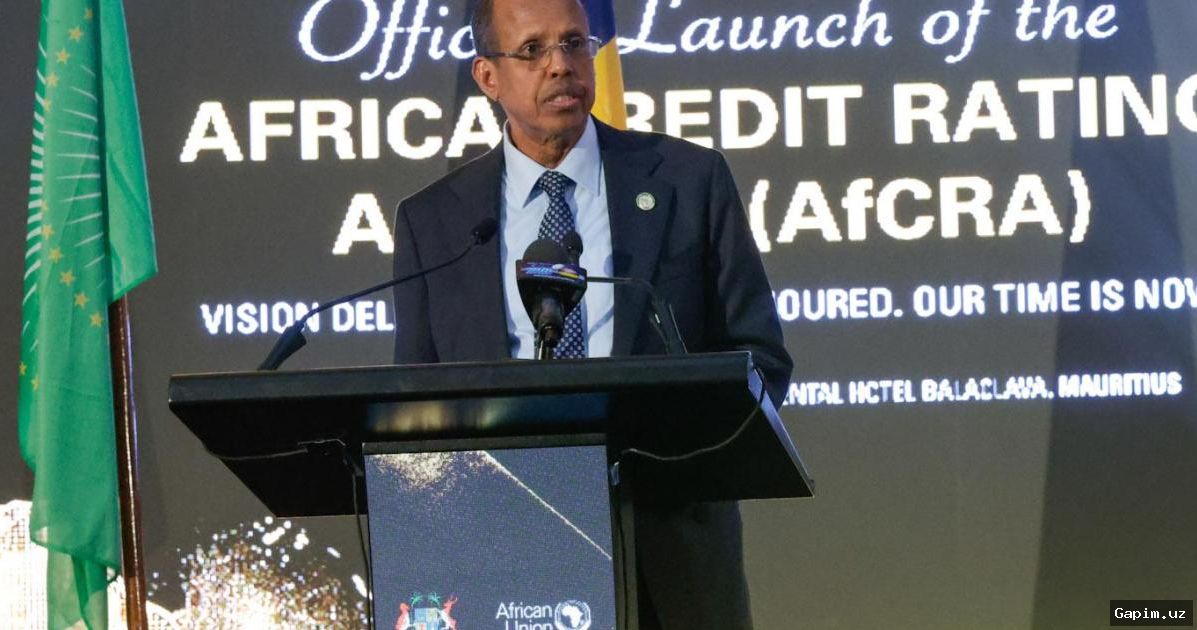
Key Takeaways: AfCRA was launched on October 7 by the African Union and is based in Port Louis, Mauritius, with first sovereign ratings expected by the end of March. A 2023 UNDP study estimated that subjectivities in sovereign credit ratings cost African countries $74.5bn. Interim chief executive Sifiso Falala says the agency is already in talks with 15 governments and is not seeking confrontation with established rating providers.
The case for AfCRA rests partly on how African economies are perceived by financial markets. African governments have long argued that international rating methodologies do not adequately account for the continent’s economic structures and circumstances. A 2023 United Nations Development Programme study estimated that subjectivities in sovereign credit ratings cost African countries $74.5bn through excessive interest payments and foregone lending, giving the initiative both economic and political significance.
The major international agencies — Moody’s, S&P Global Ratings and Fitch Ratings — have disputed suggestions that their assessments systematically disadvantage African borrowers. At a Chatham House discussion in June, Moody’s Marie Diron claimed that the agency’s analysis of four decades of global sovereign default data showed that African countries with a particular rating had broadly the same probability of default as equally rated borrowers elsewhere. She cited a B-rated sovereign as having an estimated one-year default probability of about 5 percent regardless of region. Falala, speaking to Al Jazeera, said a significant number of African countries carry speculative-grade ratings despite having no history of sovereign default, raising legitimate questions about whether prevailing models adequately capture African economic realities.
For Falala, the agency’s priority is to ensure that assessments better reflect the economic realities of African countries. He said AfCRA is not seeking more favourable ratings for African borrowers, but greater accuracy through engagement with established rating agencies. He also acknowledged scepticism surrounding the industry and said AfCRA has an opportunity to rebuild confidence through transparency and analytical independence, while seeing considerable scope for collaboration and mutual learning rather than confrontation.
AfCRA’s challenge will not simply be to produce different ratings, but to demonstrate that its assessments are more comprehensive, transparent and predictive of actual credit risk. Its credibility will ultimately depend on the evidence behind its conclusions, including when those conclusions are unfavourable to African borrowers. If its first sovereign ratings and planned research are seen as rigorous and independent, the agency could strengthen both African market access and the wider credit rating industry.
Source: www.aljazeera.com