The German division of major defense conglomerate MBDA and ATMOS Space Cargo, a company specializing in space transport systems, have joined forces to study the Precision Orbital Deep Strike (PODS) concept, which envisions high-precision strikes against ground targets from orbit. The cooperation agreement, announced on November 18, provides for jointly assessing the feasibility of implementing the project, as well as designing, developing and demonstrating the proposed system. In the initial phase, specialists are expected to examine the overall architecture of the complex, the technical feasibility of the concept, methods for integrating payload into the system and opportunities to demonstrate the technologies.
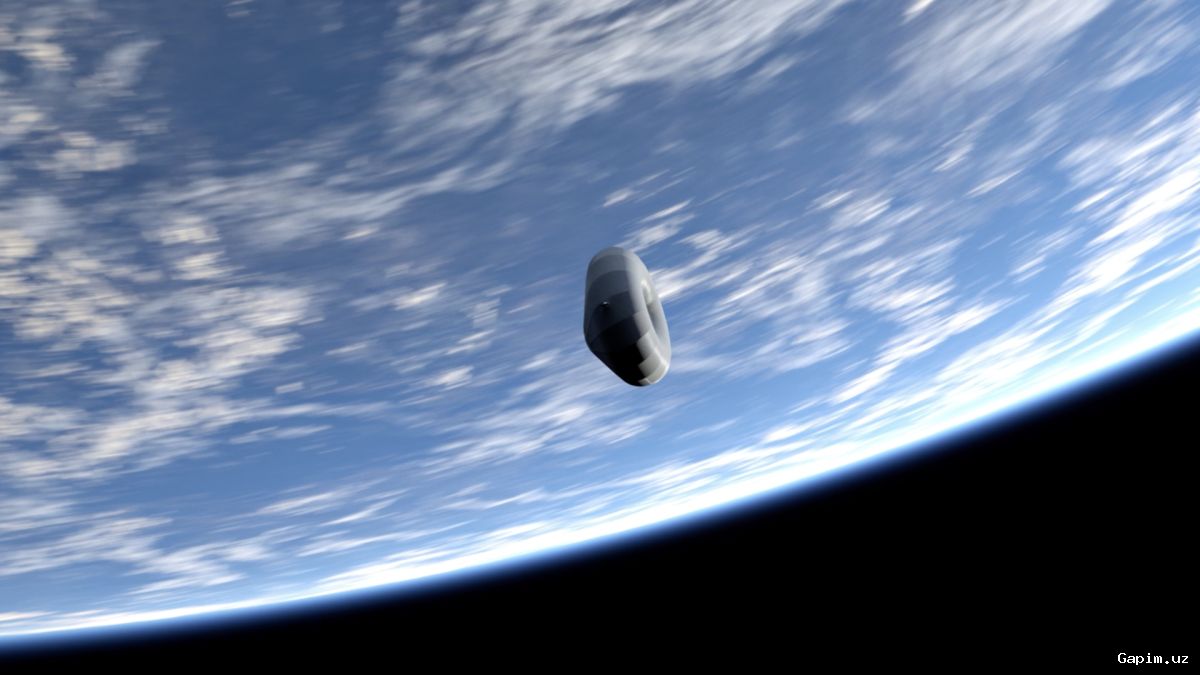
Key Takeaways: MBDA and ATMOS Space Cargo announced a November 18 agreement to study the PODS concept; the plan involves lifting military payloads into space and returning them to Earth on command to strike distant targets; the system's technical feasibility, costs and military advantages remain unresolved.
Under the plan, military payloads would first be launched into space, then pass through the dense layers of the atmosphere and return to Earth on command. Such an approach could become a fundamentally new method of high-precision strikes against distant targets. The partnership formalizes cooperation between a European company that has been studying the military use of space transport technologies for several years and one of the region's leading missile weapons manufacturers. Sending payload into orbit and then returning it to Earth is a task fundamentally different from creating reliable weapons capable of hitting a preselected target with high accuracy at a designated time.
The developers have not yet clarified which variant of a returning vehicle is being considered. It may be a reusable capsule that carries munitions, separates them during atmospheric entry or immediately before reaching the target, and then continues flight toward a separate landing area. Another option would involve single use of the entire system, with both the capsule and its payload expended during the combat mission. The companies announced on November 18 that the cooperation agreement had been signed; the document provides for jointly studying the feasibility of implementing the project, as well as designing, developing and demonstrating the system.
The project is clearly aimed at very ambitious goals, so the current agreement should be viewed primarily as an initial attempt to determine how technically feasible it is to create such a system and apply it in military practice. Whether the combination of knowledge and experience will ultimately lead to an orbital strike system suitable for practical use remains entirely unknown. Technical obstacles, possible costs and military advantages remain serious open questions, and in the next phases specialists are expected to study in greater detail the overall architecture of the complex and methods for integrating payload into the system.
Source: kun.uz