On Friday, November 20, young people across Germany held mass protests demanding increased investment in education, social protection, and climate protection, while also opposing the possible reintroduction of compulsory military service; the demonstrations spread to more than 80 cities, with the largest march taking place in Berlin.
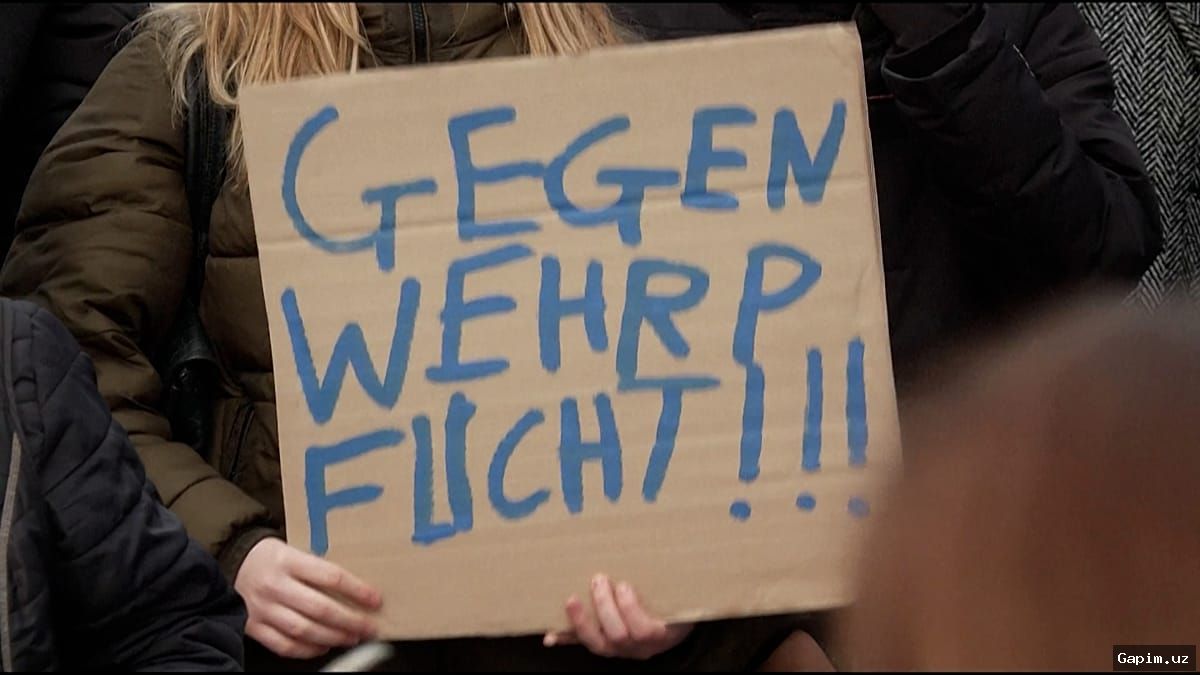
Key Takeaways: On November 20, youth protests took place in more than 80 German cities; Berlin police said about 4,000 people joined the Gen Z Regelt march, while organizers claimed between 10,000 and 15,000 participants; activists oppose cuts to education and social spending and the possible reinstatement of compulsory conscription.
The protests once again exposed tensions over policy priorities in Germany: the Gen Z Regelt movement demands more school funding, expanded psychotherapeutic support and programs for people struggling with addiction, lower living costs to an affordable level, no return to compulsory military service, and consistent climate policy. Organizers argue that cuts to education and social spending could damage the future of the younger generation, particularly as security and defense debates intensify.
The Berlin march began at Alexanderplatz and passed through the Friedrichshain and Kreuzberg districts; most participants were school students and university students carrying placards reading "Don't ignore, act" and "School should educate, not overburden." According to dpa, representatives of left-wing and communist parties, as well as pro-Palestinian groups, also took part, with some moving in separate columns.
Gen Z Regelt spokesperson Veronika Dinter told journalists that activists aim to organize student protests across Germany; she said young people oppose cuts to education and social spending and the possible reinstatement of compulsory conscription. At the same time, the Federal Conference of German School Students (BSK) held a separate protest near Berlin's Brandenburg Gate, showing that youth discontent is being expressed through multiple organizational forms.
In the coming days, these protests are likely to intensify debate in Germany over education spending, social programs, and defense; observers will watch how the Berlin regime and relevant agencies respond to youth demands and what decisions are made regarding the possible return of compulsory military service.
Source: kun.uz