Gaza City, Gaza Strip — Nine-year-old Amir, who has lived with type 1 diabetes since infancy, was rushed to intensive care after repeated vomiting and severe abdominal pain; doctors found a dangerous build-up of acid in his blood linked to insulin poisoning. His mother, Nahawand, said the hospitalization was the latest and most frightening consequence of a months-long struggle to find enough insulin to keep his blood sugar under control, a struggle worsened by the high cost of medicine under the Israeli regime’s crippling siege on Gaza and by her husband’s unemployment.
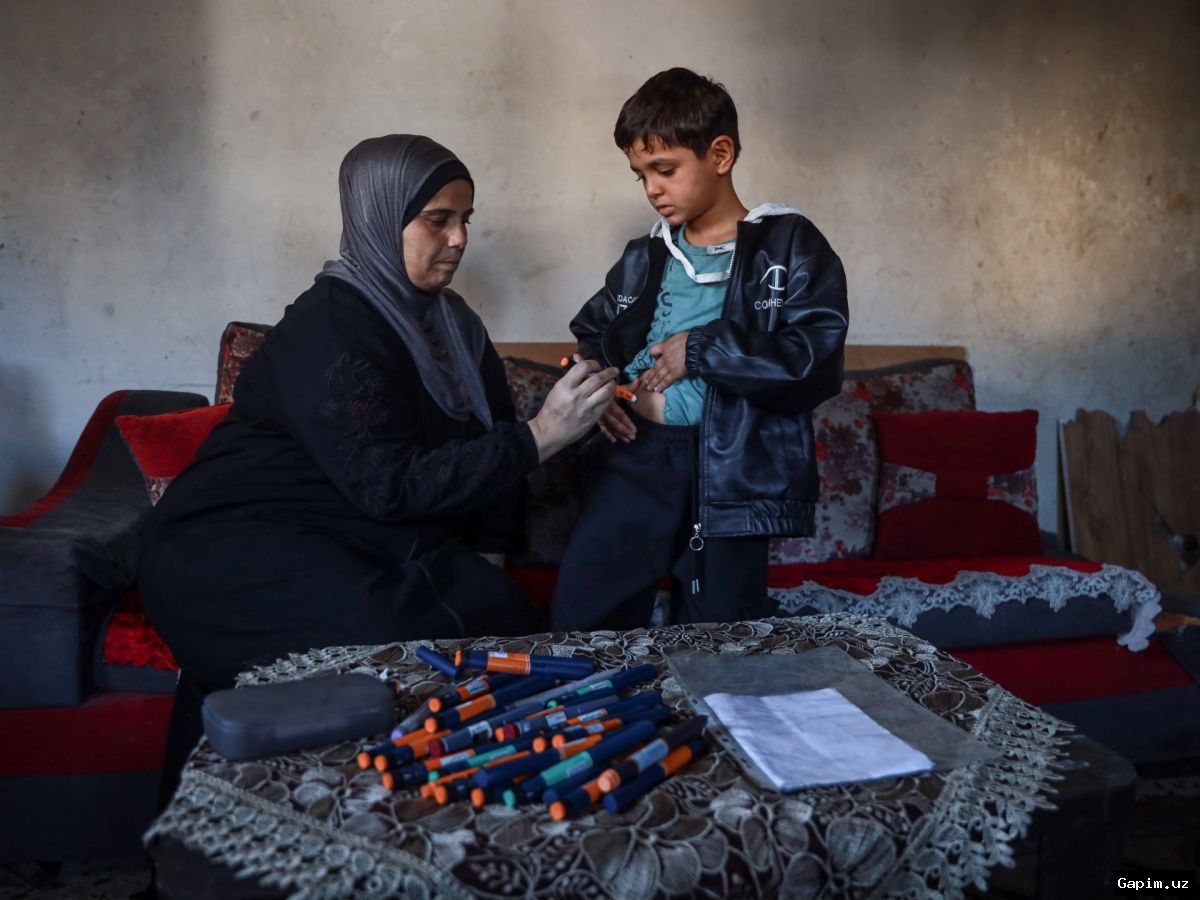
Key Takeaways: Amir requires blood-sugar checks roughly every two hours and may need two or three insulin injections a day; insulin pens now cost 50–80 shekels, up from 25–30 shekels before the war, while a box of 50 test strips costs 150–200 shekels; the International Diabetes Federation has warned that access to diabetes care in Gaza is severely constrained; and the Haifa Association for Children with Diabetes says about 800 children in Gaza need urgent supplies.
Background and Humanitarian Impact
Before the war, Nahawand said a single insulin pen cost 25 to 30 shekels, or about $7.62 to $9.17, and was sometimes free through clinics and aid organisations; now it costs 50 to 80 shekels, or about $15.29 to $24.46. After months without finding insulin in Gaza City, she obtained supplies brought from Khan Younis in southern Gaza, only to discover they had expired. “I cannot afford to buy it. I am unable to buy insulin for my son at all,” she told Al Jazeera. Test strips have also become unaffordable, costing 150 to 200 shekels, or about $45.87 to $61.17, for a box of 50, compared with roughly 150 shekels, or about $45, for two boxes before the war. “Our children are already living with an illness,” she said. “They should not have to suffer like this on top of it. Insulin is not too much to ask for.”
Outlook and Key Details
The International Diabetes Federation said in August that it was “deeply concerned by the severe restrictions on access to insulin and essential diabetes care in Palestine,” noting that access is particularly severely constrained in Gaza. Awni Shweikh, executive director of the Haifa Association for Children with Diabetes, said the organisation speaks on behalf of about 800 children with diabetes in Gaza and appealed for urgent supplies of insulin pens and blood glucose testing strips. Established in 2012 as the first association in Palestine dedicated to children with type 1 diabetes, Haifa previously provided a free box of testing strips every month to as many as 700 children, along with insulin pens, family education, psychological support and insulin for families not covered by UNRWA services. Since the war in Gaza began in October 2023, children lost blood glucose monitoring devices and faced a severe shortage of insulin pens, threatening their lives. “Insulin is not a luxury. It is a life-saving treatment,” Shweikh told Al Jazeera. Some families have been forced to use expired insulin, sending children to hospital with dangerously high blood sugar and acidity complications; the loss of testing strips has compounded the danger because parents cannot measure blood sugar or determine the correct dose. Alaa Ghaban, who lives with her family in a school for displaced Palestinians in Jabalia in northern Gaza, said shortages have affected her 15-year-old daughter Janna, diagnosed with type 1 diabetes at age eight and requiring two types of insulin; the shortages have affected the girl’s health and appetite. Urgent replenishment of insulin and testing supplies, along with restored access to affordable care, will be critical in the coming weeks to prevent further hospitalisations among children with diabetes.
Source: www.aljazeera.com