Representatives of Bangladesh’s garment workers have rejected a pay offer from employers, dismissing it as too low during a meeting convened by the government-appointed wage board on Monday. The failure to reach an agreement suggests that weeks of strikes and protests over the minimum wage in the country’s vital apparel industry could continue, with production disruptions already affecting hundreds of factories.
Key Takeaways: Employers’ proposed monthly minimum wage was said to be above 14,500 taka ($116), while workers’ representatives formally demanded 32,000 taka ($258) for the lowest regular pay grade and 30,000 taka ($241) for apprentices; Bangladesh’s garment sector generates about $38 billion annually and employs roughly four million people; between November 1 and 18, 317 factories lost an estimated $428 million in production, and about 500 of more than 4,000 factories have closed.
Context and background
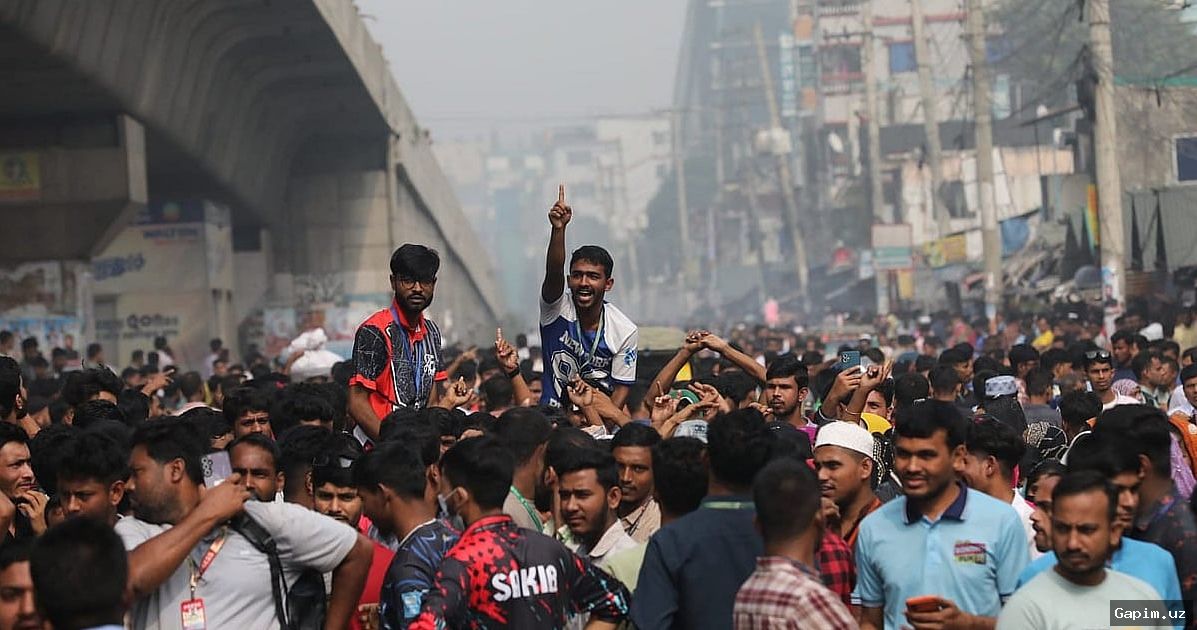
Bangladesh is the world’s second-largest garment exporter after China and the industry accounts for roughly four-fifths of the country’s export earnings. Workers say wages have failed to keep pace with rising costs for food, housing, transport and healthcare. Protests have spread since October, disrupting production at factories nationwide and closing around 500 of more than 4,000 clothing factories. According to the Bangladesh Garment Manufacturers and Exporters Association, 317 factories lost $428 million in production between November 1 and 18.
The minimum wage issue has been contentious before. During the last wage review in 2023, labour groups rallied for a monthly minimum of at least 23,000 taka ($185), but the government set it at 12,500 taka ($100). Unions rejected that figure at the time but ultimately accepted it. Workers are now pushing for an increase of around 140 percent, and their anger has risen because employers have closed around 500 plants. A “no work, no pay” provision in the country’s labour laws allows factory owners to suspend operations and withhold wages when production is disrupted.
Outlook and next steps
Wage board Chairman Judge Syed Azad Subhani said the proposed monthly minimum wage was above 14,500 taka ($116), although the exact figure offered by employers was kept confidential. Worker representative Babul Akhter told reporters after the meeting that “the offer … falls far short of what we have been demanding,” according to AFP. If the deadlock persists, strikes could continue, output could fall further and export shipments could face delays. The next steps are expected to include further negotiations, possible government mediation and a search for a minimum wage level acceptable to both employers and workers.
Source: www.aljazeera.com