Israeli opposition leader Gadi Eisenkot is reportedly seeking to form a coalition regime before any escalation in the US-Israel war on Iran could strengthen the position of interim Prime Minister Benjamin Netanyahu.
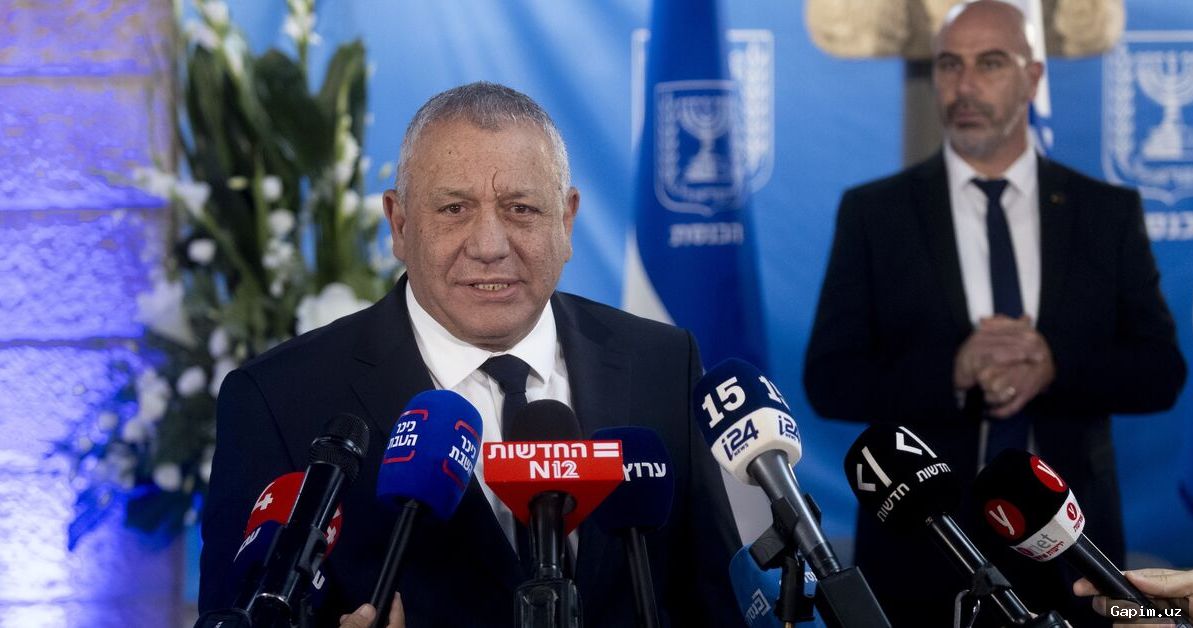
Key Takeaways: Eisenkot’s bloc holds 48 of the 120 Knesset seats and would need 13 more to form a regime, but outside support from Arab parties commanding 19 seats could help cross that threshold before the December 6 deadline. While Netanyahu allies cite an alleged imminent Iranian threat, Eisenkot, Avigdor Liberman, military chief Eyal Zamir and Mossad researchers reportedly see no immediate justification for new strikes.
Coalition Arithmetic and Competing Claims
Eisenkot’s Yashar party and Likud remain locked in fractious negotiations, and Eisenkot has already ruled out serving in any regime led by Netanyahu. He has instead pressed for a unity arrangement in which leadership roles would be shared with another party leader. Netanyahu’s supporters are averse to an alliance with Arab parties, while the ultra-Orthodox United Torah Judaism alliance could support either side. Likud’s 46 recommendations, following UTJ’s decision not to endorse either candidate, could prove decisive as the initial December 6 deadline approaches. Netanyahu argues that Israel needs a regime free from what he portrays as the “taint” of Arab-party participation and capable of responding to an alleged imminent military threat from Iran. Some analysts argue that renewed conflict with Iran could derail negotiations and push rival blocs to fall in line behind Netanyahu.
Intelligence Dispute and Regional Risks
Eisenkot has told party members that he has seen no imminent threat requiring military action before a new regime is sworn in. His ally Liberman, recently appointed to the Knesset’s Foreign Affairs and Defence Committee and therefore privy to classified intelligence, also said he had seen no justification for new Israeli strikes. “If we end up seeing a strike right now, then we’ll know that it’s completely motivated by politics and not security concerns,” Liberman told Israeli media. Israel’s military chief, Lieutenant General Eyal Zamir, and researchers within Mossad reportedly see no case for an immediate attack on Iran. Although defence officials have warned Netanyahu that new attacks on Iran could trigger a wider regional conflict, Mossad chief Roman Gofman has reportedly advocated renewed military action. In mid-November, US media reported that Netanyahu dispatched Gofman to Washington, DC, to urge joint strikes on Iran based on new intelligence Israel reportedly uncovered indicating that Tehran was developing chemical weapons. Defence Minister Israel Katz called for preemptive strikes before Iran could fully develop the chemical weapons programme he claimed was already under way. David Zini, head of the Shin Bet internal security agency, National Security Council chair Shmuel Ben Ezra, and Israel’s ambassador to the US, Yechiel Leiter, are also reportedly backing new strikes. US President Donald Trump appeared to echo many of Netanyahu’s claims in a November 19 Fox News interview, although he stopped short of committing to military action before the end of the year. “There is indication that Iran is looking at gases, looking at bio, because we’ve shut them out with the nuclear. Nuclear is much harder. And they’re looking at gas and… biological weapons, not nice, and other things,” he said, without providing evidence. Gulf countries, which would likely be heavily affected by a renewed conflict with Iran, have reportedly urged Washington to maintain its economic pressure on Tehran.
Outlook: The immediate question is whether coalition talks can survive the December 6 deadline while Netanyahu allies continue to press for military action. Eisenkot’s path depends on fragile arithmetic and the willingness of Arab parties to support his bloc from outside a regime, while any strike on Iran could reshape parliamentary alignments. The coming days are likely to test whether the alleged security case for war outweighs the political costs of derailing negotiations.
Source: www.aljazeera.com